
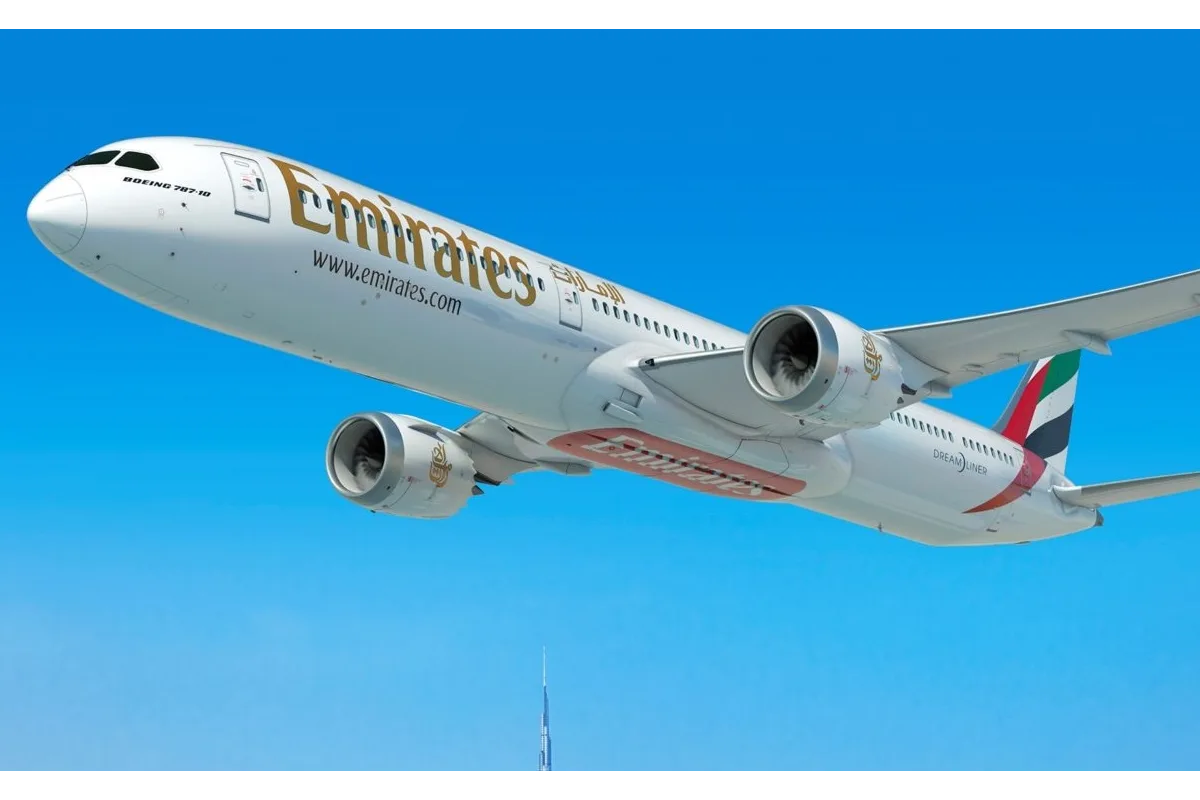
Boeing says it’s not seeing any Gulf airlines defer, cancel or restructure their sizeable aircraft orders despite ongoing pressures spurred by the Iran war.
For the American planemaker, its comments reaffirm those airlines’ commitment to their orders in the Middle East and that they are not at risk of cancellation. Airlines here account for around 1,000 orders within the commercial backlog, and many of those are for widebodies and therefore high in value.
When volatility hits a market, especially from conflict such as the war in Iran, the concern shifts to commercial aircraft backlogs and whether airlines may no longer be able to stick to their previously scheduled deliveries.
With much of the Middle East’s orderbook tied to larger, long-range aircraft to align with business models and hub-and-spoke operations, these are highly valuable contracts for Boeing that it cannot afford to lose.
The Boeing Vice President for the Middle East, Gulf and North Africa, Faha Al Mheiri, said no discussions have been held with any regional customer around orders being revised or delivery schedules amended. While conflict continues and is a persistent threat, airlines are managing for the moment.
Higher fuel prices, airspace disruptions, altered routings, and uneven passenger demand have raised questions about orderbooks at Boeing and Airbus. However, for the moment, these orderbooks are considered safe.
A Large Boeing Backlog Remains
Boeing’s exposure to the Middle East is substantial and represents one of its most valuable markets from a contractual value standpoint and for widebody deliveries. With around 14% of the commercial backlog here, it’s not just 737 MAXs but rather 777-9s, 787s, and more.
Boeing’s strong Middle East backlog puts it ahead of Airbus in the region, and with what analysts have flagged as near 2,000 planes on order across both manufacturers. Industry estimates suggest Boeing holds around 57% of those commitments.

The backlog is particularly important because it is heavily weighted towards widebodies, those high-value contracts, and vital to supporting production for some of the planemafkers’ largest investments. This is especially evident in the 777X programme.
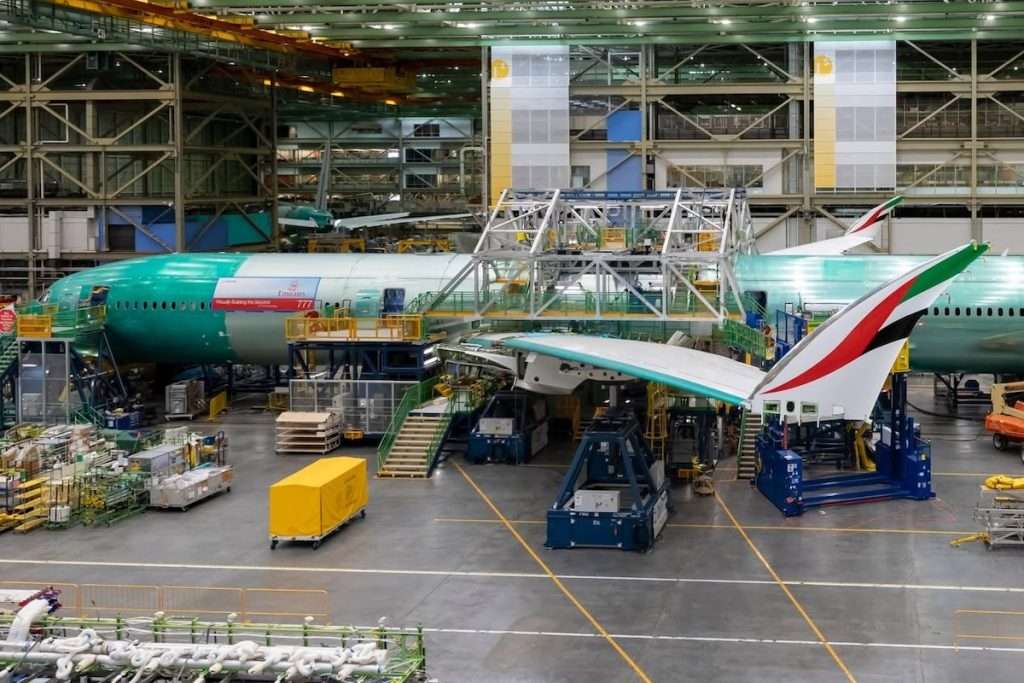
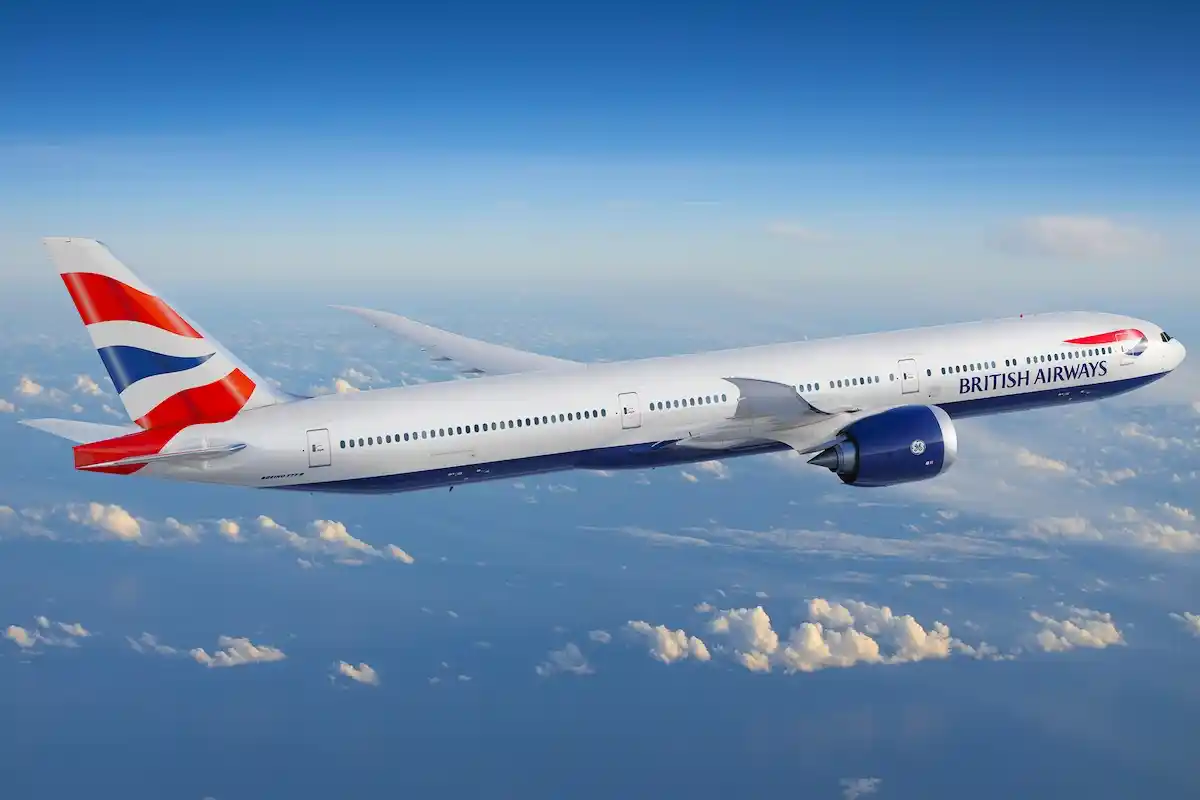
Emirates is the largest customer of the Boeing 777X with 270 firm orders and many options; the Dubai-based carrier is also working with the planemaker to try and support the feasibility study for a larger 777-10 to replace its A380. Away from Dubai, Qatar Airways and Etihad Airways are also customers for the 777-9, which stretches to 787 commitments too.
Many future deliveries for these Middle Eastern carriers will come in the next decade, giving customers time and flexibility, meaning volatility in the region can be managed because many next-generation aircraft are not due for delivery for several years.
If conflict were to persist, or conditions were to worsen in the next 12-18 months, conversations of defaults may be more likely, but for now, time is on the airlines’ side without the need to formally cancel orders or shift deliveries.
These concerns come as Boeing faces its own orderbook constraints; it’s in a position where its delivery slots are scarce, and availability is becoming more challenging to offer airlines seeking new purchases. For widebodies, much of that pressure has been driven by Middle Eastern commitments over the years.
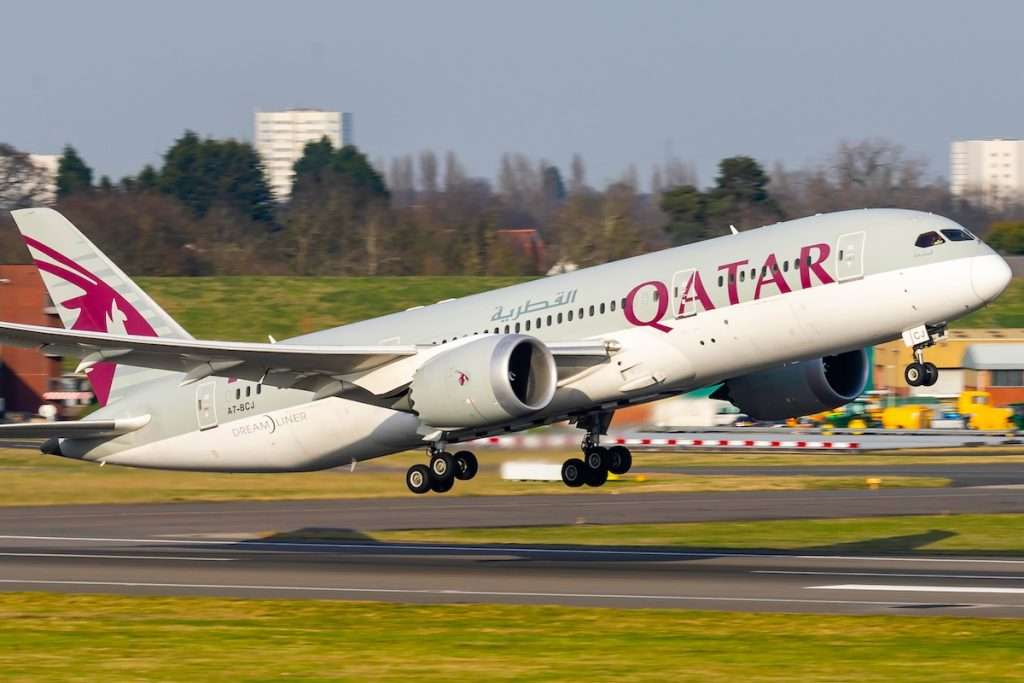
Single-aisle aircraft shortages are expected to last until the end of the decade, and widebody availability is also becoming increasingly limited. Deferring aircraft today may open up opportunity for another airline, but Middle Eastern carriers would prefer not to risk losing their planned capacity upgrades.
Short-Term Demand Has Been A Concern
While Boeing has not seen changes to its orderbook, that doesn’t mean that normal operating conditions are present in the Middle East. IATA has reported that carriers in the region have seen demand fall 14% year-on-year in June, while capacity also declined 11% and average load factor dropped further to 76.3%.
Those capacity changes have forced Middle East airlines to make strategic frequency cuts on certain routes across the year to match capacity with demand better and protect margins. While the June decline was less severe than in May, it has shown that challenges for these airlines will headline 2026.
IATA’s 2026 outlook has also highlighted further challenges for Middle Eastern airlines, with a combined net loss of $4.3 billion expected compared to the $7.2 billion profit across 2025. The significant swing reflects the impact of cancellations, capacity cuts, operational disruption, and higher fuel costs.
Airlines have had to make adjustments, including a heavy focus on route planning that not only responds to the fall in overall demand but also manages rising fuel costs. These are concerns that could push airlines to reconsider orders, but Boeing says that is not the case as of yet.
Instead, Middle Eastern carriers are making short-term changes, such as optimising their operations to manage outgoings for the moment, rather than future-altering decisions like cancelling or deferring large commercial aircraft orders.
Why Are These Gulf Airlines Standing Firm?
Boeing argues that Gulf carriers have remained firm because of their resilience and strong state support. Etihad Airways, Emirates and Qatar Airways are well placed to connect hubs between Europe, Africa, Asia and the Americas.
Thanks to their geographic positioning, their ability to capture long-haul traffic flows in multiple directions has been important during a period of disruption. Furthermore, long-haul flying is supported by business models built around young, efficient aircraft, giving them a cost advantage.
However, even with new next-generation jets at their disposal, fuel shocks and volatility will still impact the bottom line; government support and strong investment across the Gulf have made it easier to withstand shocks such as this than in other markets.
Infrastructure within the Middle East has been another reason Boeing has remained confident. Dubai’s Al Maktoum International Airport expansion remains on course to replace Dubai International, and Emirates is unlikely to defer aircraft if doing so would risk its planned capacity growth.
The deferral of new planes also isn’t in question in Saudi Arabia, with the pursuit of Vision 2030 meaning airlines like Riyadh Air have been ramping up capacity at a record-breaking rate despite the volatility. New aircraft purchases in the Kingdom continue, and airlines are pushing toward growth internationally and domestically.
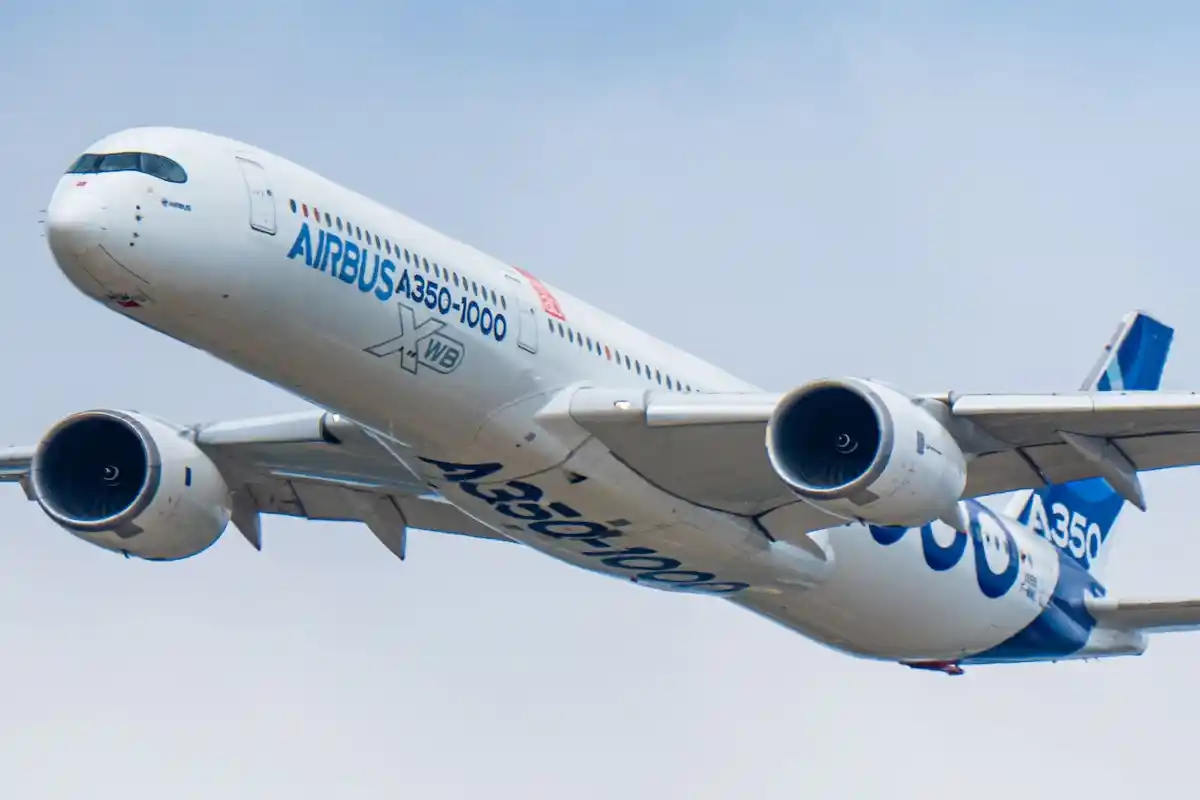
Riyadh Air’s 2026 Farnborough Airshow saw further commitments to the Airbus A350-1000 and Boeing 787 Dreamliner, with a decision to purchase the 787-10 for the first time. These types of transactions show that while there’s volatility, the Middle East remains well positioned and doesn’t see this as a long-term pressure point.
The lack of deferrals so far is encouraging within Boeing’s backlog; however, Faha Al Mheiri would recognise that this is not guaranteed to continue. Prolonged conflict and other challenges would further weaken airline finances, and if short-term fixes do not alleviate pressure, customers may be forced to revisit plans as a last resort.

ABOUT THE AUTHOR
Daniel Fowkes is a Melbourne-based aviation analyst and journalist with over a decade of industry experience. As founder of Dj’s Aviation, he delivers trusted analysis on aircraft, airline strategy and global aviation trends for djsaviation.net
Related Articles

Stay Informed
Get the latest aviation news, analysis and route updates delivered to your inbox.
We respect your privacy. Unsubscribe at any time.
Enjoyed this story?
Make us your go-to for aviation news
Add us as a preferred source on Google and see our latest stories first in Top Stories.
Add Us On Your News FeedRelated articles
· Analysis
· Airbus
· Aircraft
· Boeing
Airbus A350-1000 vs Boeing 777-9: The Next-Gen Widebody Matchup
Bryan Shelmon
22/09/2026
· Aircraft
· Airbus
· Boeing
Airbus Confused By Boeing’s New Aircraft
Daniel Fowkes
18/09/2026
· Aircraft
· Boeing
Boeing May Not Launch The 797?
Daniel Fowkes
15/09/2026
· Aircraft
· Boeing
Boeing Scrapped A Brand New 777X
Daniel Fowkes
13/09/2026