

Airbus added 202 gross orders in October 2026 to its order book while delivering 74 jets that month, meaning it needs two record-breaking months to meet expectations.
With 249 aircraft needing to be delivered by Airbus in November and December to reach the full-year target of 870, this would require two consecutive record-breaking months, with the odds now firmly stacked against it.
Airbus orders dominated by lessors
During the month, aircraft lessors accounted for 185 of the 202 gross orders reported by Airbus, with commitments spanning across the A320neo family and A330neo; the other deals represent only a small percentage of what was recorded.
The actual split was 163 A320neo family jets, 35 A330-900s, and four A350-900s, meaning the A220 went the month without an officially signed order.
The largest transaction in October came from Avolon, which purchased 110 aircraft under a firm contract, including 75 A320neo family jets and 35 A330-900s, further boosting the manufacturer’s mid-sized widebody alternative.
Beyond just Avolon’s contract, which crucially brought commitments to the A330-900 to 114 and the A320 family to around 650, there were deals with CIT Leasing, which were identified as being against the 35 A330-900s and thus part of the Avolon transaction.
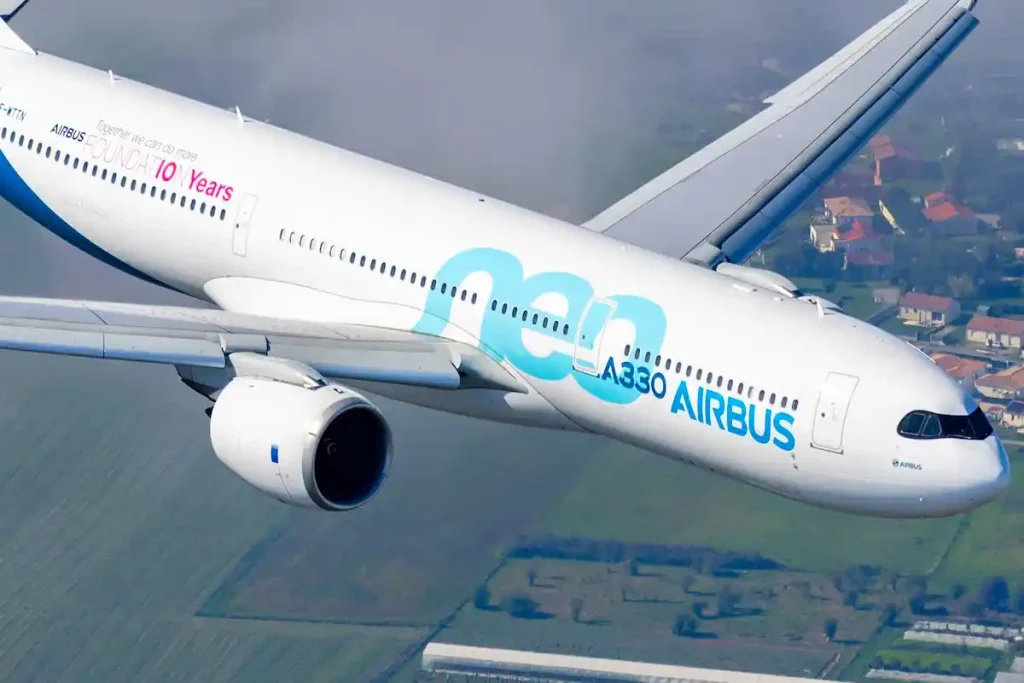
Aviation Capital Group also ordered 75 A320neo family jets, bringing its historical orders for the family to almost 200 aircraft. Avolon and Aviation Capital Group therefore accounted for over 90% of the month’s total gross order intake.
The most publicized order from a scheduled passenger airline was Biman Bangladesh, which signed for 10 Airbus jets: six A321neos and four A350-900s, in a bid to continue expanding its next-generation backlog and international expansion efforts.
Away from Biman, an undisclosed customer purchased five A321neos, and the smallest deal of the month came from Atlantic Airways, which ordered two A320neos for its renewal plans.
Airbus is now under a lot of pressure
While gross orders remained strong, Airbus’s biggest pressure point is delivering commercial aircraft, which, despite an uptick this year over previous years, is still at significant risk of missing the annual target.
Airbus has delivered 621 aircraft through October 31, 2026, and has held firm on its yearly target of 870 without a revision. To meet that target, Airbus must deliver 249 more jets in the final two months of the year.
Reaching that total requires an average of 124.5 deliveries a month, about 68% above the pace set in October, and twice the average achieved across the first ten months of 2026. The 249 jets also represent around 29% of the full-year target.
Historical data doesn’t show Airbus stands a chance either: in 2025, there were 72 deliveries in November and a strong uptick to 136 in December, still leaving the business short if it replicated those figures this year.
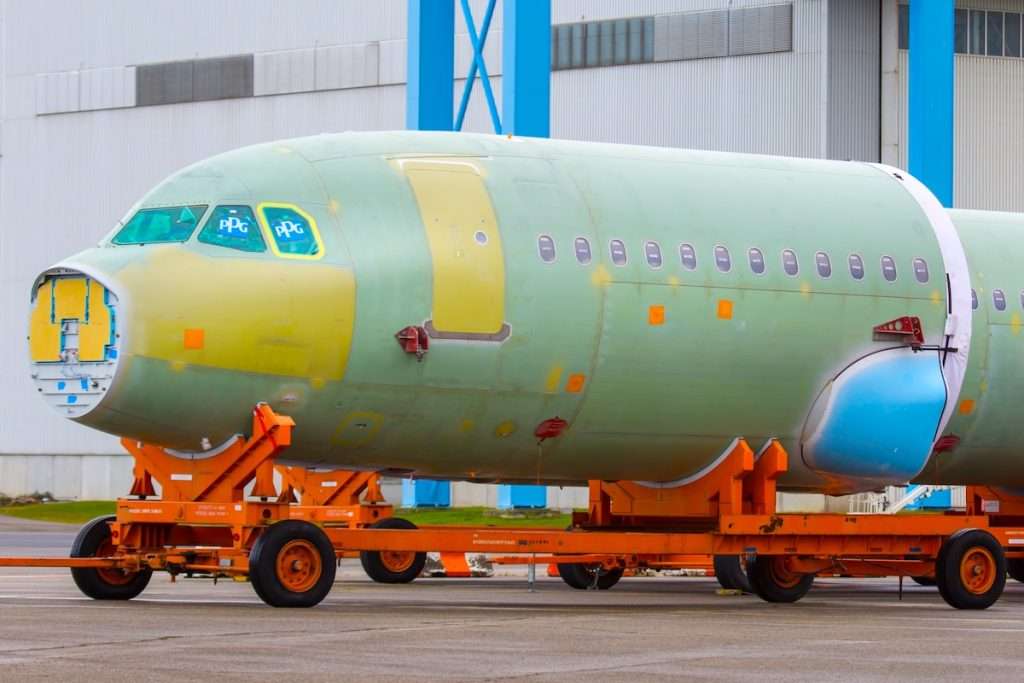
Meeting the target means an approximate 20% increase over the final two months of the 2025 calendar year. Even in 2024 and 2023, the planemaker produced fewer jets than it would need to reach today’s figure.
Airbus argues that supply chains have improved, making production smoother, despite recent A321neo woes affecting a select few jets in the production system and an A330neo issue during the summer.
For now, Airbus has yet to revise the annual figure and aims to deliver, on average, 125 aircraft in the last 60 days of the year to reach its annual target, which, if achieved, would be the first time it has done so without several revisions since before the COVID-19 pandemic.

ABOUT THE AUTHOR
Daniel Fowkes is a Melbourne-based aviation analyst and journalist with over a decade of industry experience. As founder of Dj’s Aviation, he delivers trusted analysis on aircraft, airline strategy and global aviation trends for djsaviation.net
Related Articles


Stay Informed
Get the latest aviation news, analysis and route updates delivered to your inbox.
We respect your privacy. Unsubscribe at any time.
Enjoyed this story?
Make us your go-to for aviation news
Add us as a preferred source on Google and see our latest stories first in Top Stories.
Add Us On Your News Feed