

JetBlue has raised fees for passengers who check baggage on its flights, increasing the minimum first-bag charge and making other changes.
The revised pricing, in response to surging operating costs and spiralling fuel costs, applies not only to domestic U.S. services but also to flights to Canada, Latin America, and the Caribbean. Transatlantic markets are also facing fare increases on entry-level tickets.
Prices get more expensive ahead of holidays
Following an update to the published fee schedule, JetBlue revealed it was once again increasing baggage prices, with affected economy fares seeing their first checked bag increase from USD 50 during off-peak or USD 55 on peak dates to USD 60 and USD 60.
These changes within 24 hours result in a higher amount. A second checked bag costs USD 70 or, during peak periods, rises to USD 75 when purchased in advance. However, if you pay for the second bag in the final 24 hours before departure, the cost increases again.
With JetBlue’s peak travel period about to commence and running from the third week of November through the third week of January 2027, this includes Thanksgiving, Christmas and the New Year, when many use the airline’s services.
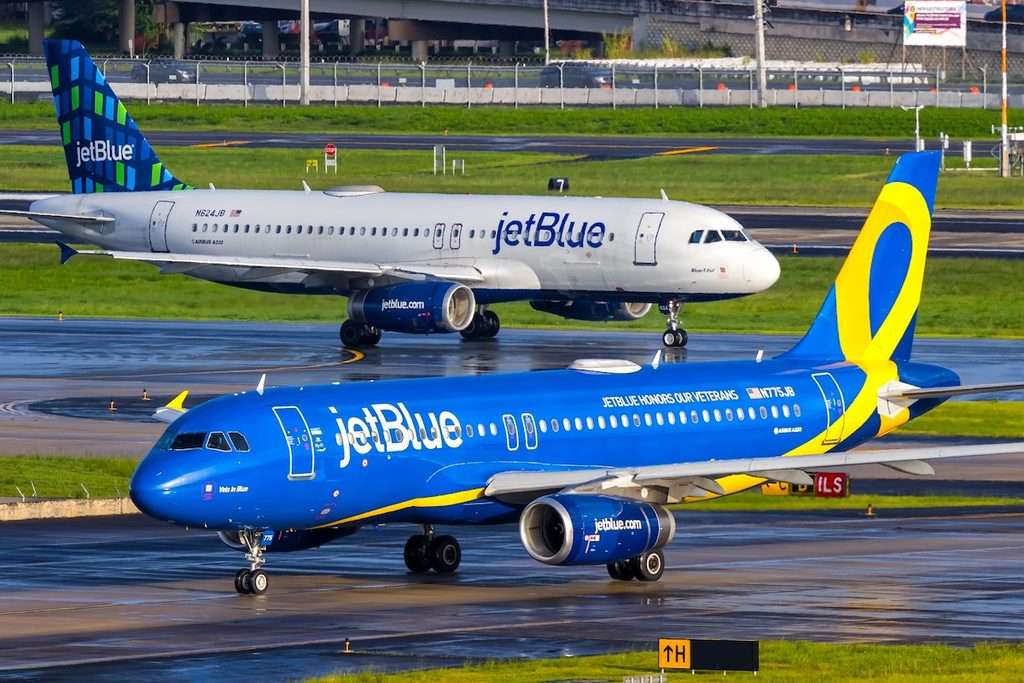
In its updated fees, JetBlue said those who booked before 3 November 2026 should check their reservation, and the new schedule will apply to bookings made from that date onward.
JetBlue also makes changes to Transatlantic flights
For JetBlue’s transatlantic network, the focus rests on the Main Base and EvenMore Base fare price tiers available by the carrier. JetBlue has published an advance-purchase first-bag charge of USD 80 for off-peak and USD 90 during peak periods.
If you don’t use the published advance payment, those off-peak and peak periods will rise by a further USD 10 and jump to as much as USD 100 for the first bag payment on transatlantic flights.
Critically, though, fare categories are the most important part of the airline’s transatlantic checked bag policy; unlike domestic flying, Main, Main Flex, EvenMore, and EvenMore Flex transatlantic fares include one checked bag, Mint and Mint Flex include two, and Mint Base includes one.
Because fare type is so important to how JetBlue operates on transatlantic route segments, it directly affects the price of add-ons such as checked baggage and the number of pieces each passenger can take.
Another increase for JetBlue passengers
This month’s adjustment follows an earlier increase, when JetBlue raised checked baggage charges by as much as USD 9 to help manage rising operating costs in the weeks after the Iran war and fuel price volatility emerged.
When those changes were made, the off-peak first bag charge stood at a reported USD 50 maximum, up from USD 35 at the beginning of the year. The sizeable adjustment has remained a focal point and a way for JetBlue further to adjust its advance policies and off-peak/peak flying to pass along the costs it’s incurring.
For JetBlue, the price increases, while hurting passengers and raising what they pay for the average flight compared to 12 months ago, weren’t an isolated move. Rising baggage fares are seen as an easy and vital way to boost revenue without raising ticket prices, and Delta Air Lines, United Airlines, American Airlines, and others in the U.S. have done the same this year.
The changes, while not uniform across these U.S. carriers, reflect a persistent need to reassess fee structures as operating costs surge, and each business’s financial position requires different price increases to match its outgoings.
Why the higher costs for passengers?
JetBlue has previously said in a statement that the rise in checked baggage fees is meant to offset rising fuel and operating costs that are damaging the carrier’s financial position.
The approach helps keep base fares competitive and as low as possible, but instead shifts focus to add-ons for scheduled flights that customers need and increases them.
Fuel pressure for JetBlue has been substantial, with a reported near 60% year-on-year rise in prices in the third quarter, and this is expected to worsen in the fourth quarter to about an 85% rise from the same period one year prior.
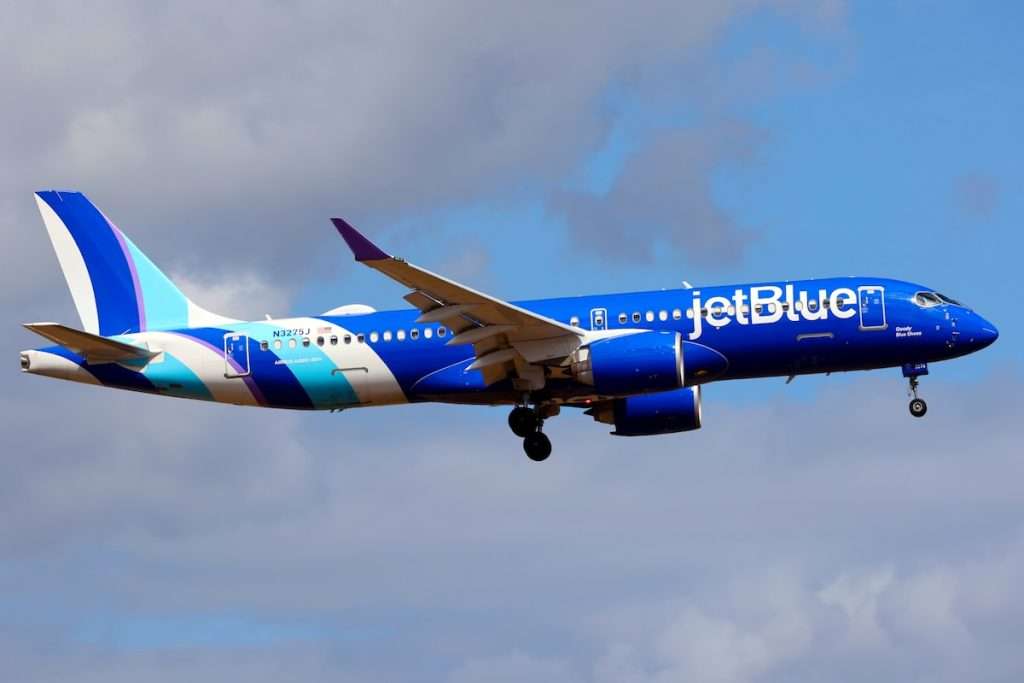
As tensions in the Middle East continue and the situation with the Iran war and fuel supply doesn’t ease, the picture for many airlines is worsening. Most companies have hedged fuel prices into 2027, but the concern is what comes next once those deals end and the full effects of price rises hit if conflict isn’t resolved.
Raising baggage charges shifts the cost recovery onto passengers who need to check luggage, not everyone on the flight; it becomes an easier option than raising ticket prices.
Unfortunately, with JetBlue’s debut, spiraling costs and concerns about its sustainability within the industry, without major changes, nothing can be ruled out in terms of increases to fares, whether tickets or other add-ons, especially if there is no respite.

ABOUT THE AUTHOR
Daniel Fowkes is a Melbourne-based aviation analyst and journalist with over a decade of industry experience. As founder of Dj’s Aviation, he delivers trusted analysis on aircraft, airline strategy and global aviation trends for djsaviation.net
Related Articles


Stay Informed
Get the latest aviation news, analysis and route updates delivered to your inbox.
We respect your privacy. Unsubscribe at any time.
Enjoyed this story?
Make us your go-to for aviation news
Add us as a preferred source on Google and see our latest stories first in Top Stories.
Add Us On Your News Feed