

Qatar Airways is being forced to prioritise cash preservation alongside network stability as it faces aircraft problems following the outbreak of the regional conflict.
With a large portion of the fleet still either out of position or completely out of action, the airline has been forced to overhaul how it operates its scheduled network and, as a result, significantly reduce flying.
Now, as a direct consequence of what’s happening at the Doha-based carrier, there are reports that discussions are underway with lessors to defer or reduce leasing payments.
Qatar Airways Trims Costs
At the heart of the problems is the decision by US and Israeli forces to lead attacks on Iran on 28 February, 2026, a move that forced the airline to be heavily affected by the airspace closures and military tensions.
While initially isolated related strikes, which were expected, had impacted normal scheduling and isolated routes that would otherwise have been operating at full frequency.
According to fresh reporting, the airline is now looking to cut costs where possible to preserve itself in this challenging position. It has stabilised ever so slightly, but it is not fundamentally improving enough to take the pressure off.

As a result, with the immediate requirement from management to try and find ways to conserve cash as revenue takes a major hit, one of the first focuses has been on its fleet and specifically deals with aircraft lessors, with the hopeful pursuit of deferred or reduced rental payments, a clear sign from upper management of their intent.
For the business now, it isn’t just the threat of costs ballooning due to routes being axed. Still, more importantly, the focus on the large number of displaced aircraft and crews, additional storage costs, adjustments to positioning and operational fees, fuel volatility, and more has constrained its overall freedom to move around the world as it typically does
Fleet and Aircraft Challenges
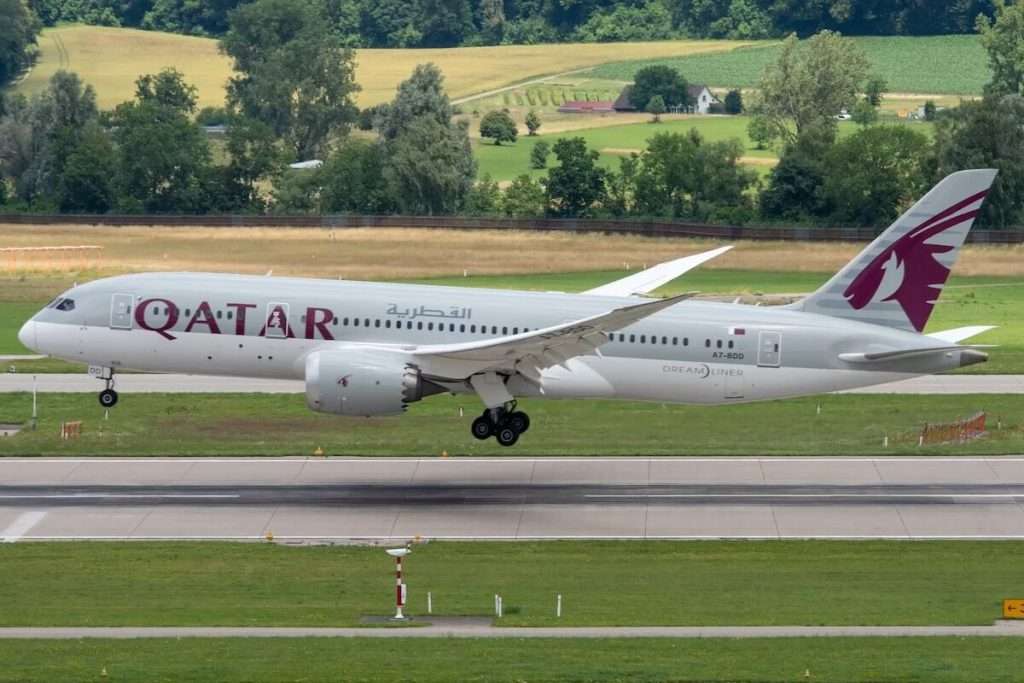
One of the biggest operational issues stemming from the outbreak of conflict for Qatar Airways is that about 20 of its largest aircraft are now parked outside the country. This includes Airbus A330s, an Airbus A380, and brand-new Boeing 787s, with Spain’s Teruel facility as the focus.
All this matters because these aircraft are, on a typical day, central to the airlines’ long-haul capacity and serving premium demand, but now, given what has unfolded, they cannot simply be deployed. At the same time, the network remains in such an unstable position and has thus been sent to storage.

A current problem remains not just the demanding situation and the ongoing threat of operational suspension due to the conflict surrounding it, but also the struggles in positioning its aircraft, crews, and other critical maintenance resources during not just a regional crisis but, more importantly, an active one.
Aircraft that remain stored away from Doha echo the past COVID-19 pandemic and mean they are fundamentally out of the airlines’ sight and hands during this period. This impacts future planning, lease management, and the eventual service ramp-up when operations are expected to resume.
Why Flights Are Being Suspended
The main reason for the suspensions in the Qatar Airways operation is the ongoing war in the Middle East. These airspace restrictions disrupt normal operational routing.
Since the end of February and the outbreak of this latest global conflict, the airline has cancelled thousands of routes and, like its neighbours Emirates and Etihad Airways, has taken a cautious approach in the ongoing key efforts to restore services to a more manageable level.
What comes is immense pressure on the airline, which has spent years building up its premium global brand through its major hub of Doha. At the same time, it’s vital for those travelling to or leaving Qatar to know that, over the last couple of decades, it has become one of the world’s biggest transit hubs, funnelling traffic to destinations around the world.
The long-standing effects after a month are a constant disruption for its customers, which has now translated into financial and reputational issues, as customers are forced to look elsewhere for a more direct option if their routing is impacted.

ABOUT THE AUTHOR
Daniel Fowkes is a Melbourne-based aviation analyst and journalist with over a decade of industry experience. As founder of Dj’s Aviation, he delivers trusted analysis on aircraft, airline strategy and global aviation trends for djsaviation.net
Related Articles




Stay Informed
Get the latest aviation news, analysis and route updates delivered to your inbox.
We respect your privacy. Unsubscribe at any time.
Enjoyed this story?
Make us your go-to for aviation news
Add us as a preferred source on Google and see our latest stories first in Top Stories.
Add Us On Your News Feed