
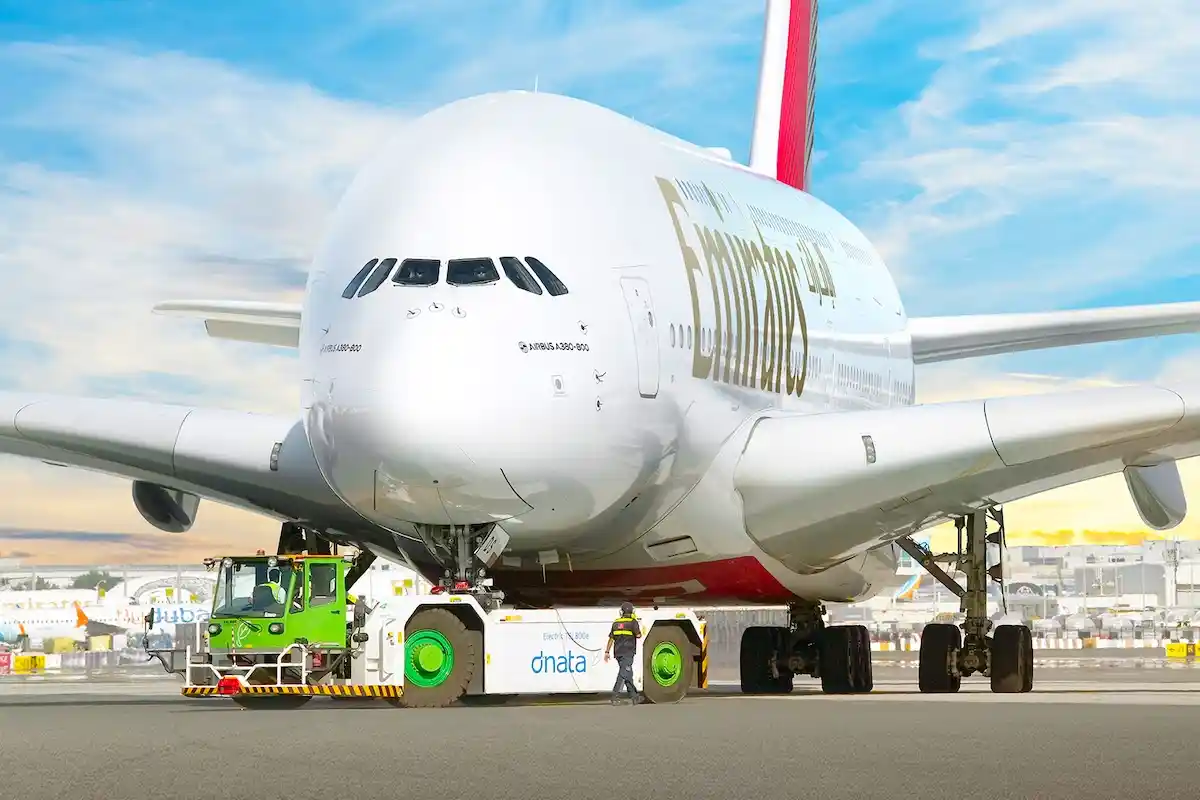
Emirates has reported a major fall in its half-year pre-tax profit, down 68%, as regional conflict disrupts the airline’s performance.
Citing higher fuel costs and broader disruption to flying, Emirates notes that while certain metrics remained strong, the obstacles ultimately weighed enough to undermine performance elsewhere.
With a deterioration in last year’s record performance, the airline hasn’t collapsed into the red; however, it’s been forced to be more diligent in its decision-making to maintain profitability in more uncertain times.
Ultimately, Emirates reported a half-year profit before tax of AED 3.7 billion, or USD 1 billion flat, accounting for most of the broader USD 1.1 billion profit before tax for the entire Group, which includes dnata, the ground handling service component, at just USD 112 million.
Despite the continued instability, Tim Clark, the airline’s president, held a rather optimistic view at the end of October and believed his company was well positioned to weather the ongoing geopolitical storm. This view contrasts with Ryanair’s Michael O’Leary, who has said many airlines will collapse if fuel prices remain elevated into 2027.
Emirates sees passenger traffic tumble this year
Emirates says it carried 21.8 million passengers between April and September; many airlines won’t reach that total over a 12-month window, let alone in a half-year, but for Emirates, it was a huge drop.
Passenger numbers fell 22% compared to the same period a year earlier. Meanwhile, passenger capacity, measured in available seat kilometers, fell 17%; passenger traffic, measured in revenue passenger kilometers, also fell 25%.
During the half-year, Emirates’ overall seat occupancy rate fell from 79.5% to 72%; this is a significant deterioration and a 7.5% drop, not typical for any airline during a regular half-year of operation.
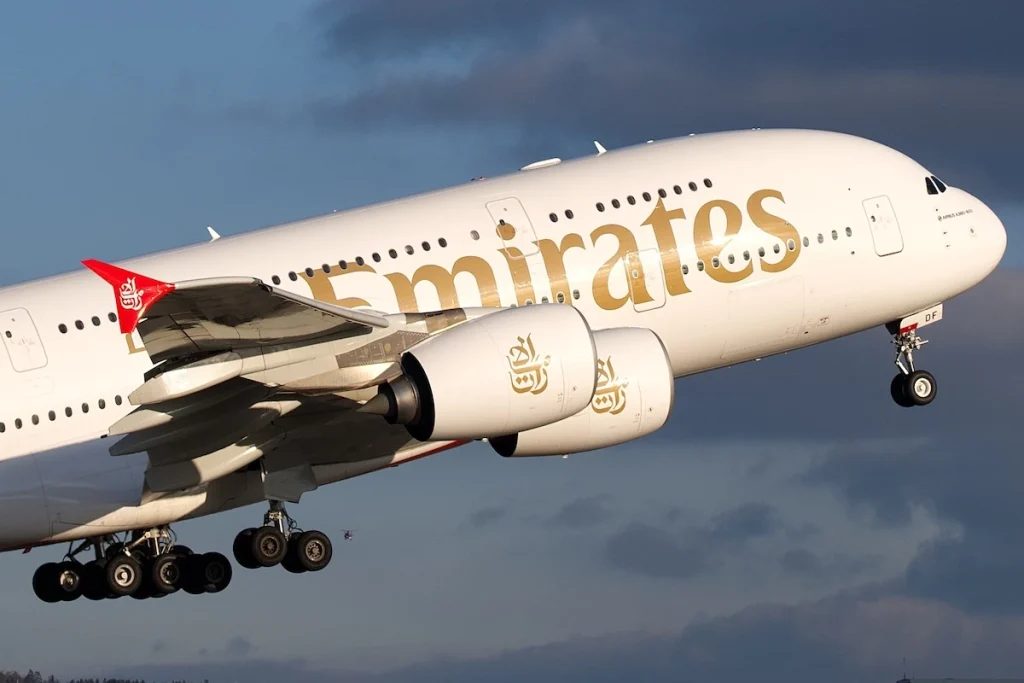
For Emirates, the impact was clear: traffic fell faster than capacity, with seats unfilled across the network despite efforts to maintain a robust operation and recover markets that had lost scheduled service when conflict in Iran broke out at the start of the year.
Recovery despite the turmoil in passenger traffic has been a priority, and the business noted it was operating by 30 September 2026 at 91% of pre-Iran-war levels, with a passenger and cargo operation spanning 150 airports in 78 countries and territories.
Executives at the airline noted that while customer demand held firm, the premium cabins, which even at the best of times support revenue during these uncertain periods, were even more critical in keeping results at a largely acceptable level.
Emirates tries to protect itself from fuel prices
During the half year, fuel became the main reason profit fell much faster than revenue. Emirates said fuel costs rose 50% before hedging gains, despite a 12% reduction in the fuel uplift as it operated on a reduced schedule.
Total operating costs, including fuel, fell just 2%, while overall revenue fell 13%. For the entire industry, whether low-cost, full-service or a mix, companies have been persistently battling to improve revenue thanks to higher prices from customers but unable to offset rising expenses such as fuel.
Emirates reported AED 7.1 billion in gains from the fuel price risk management strategy it implemented, which meant the net increase in fuel costs was only 13%; this still wasn’t enough to fully offset the woes, and fuel accounted for 34% of operating costs in the end.
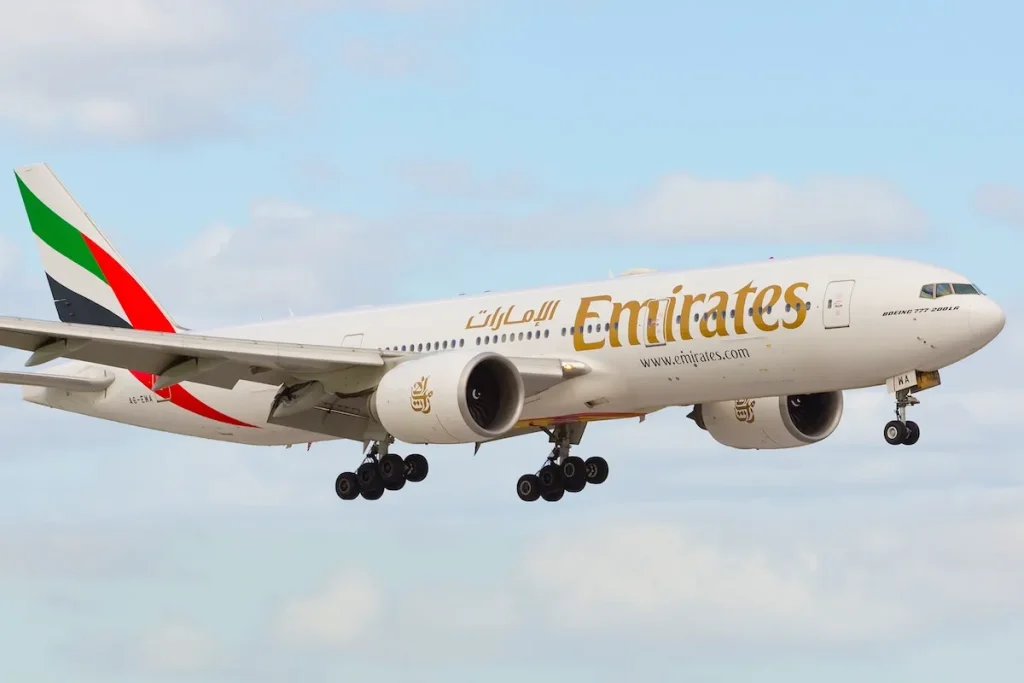
Sheikh Ahmed noted that jet fuel prices had doubled compared with the same period just one year earlier, affecting not only its customers’ costs but also its ability to deliver strong profitability. The results were therefore strong for the half year. This reflects reduced flying, changes in travel, and the regional crisis that has hit the Middle East.
Hedging gains provided significant protection, but it didn’t mean overall underlying fuel pressure had eased, showing that management was navigating the turbulence. Concerns, though, persist about what the long-term effects will be, not just for Emirates but for the broader industry, should fuel prices remain elevated deep into 2027.
It’s less about the conflict persisting for airlines than the reality that, for many, next year will be when they start to feel the brunt of higher prices as their previously agreed hedging at a much more affordable rate ends.

ABOUT THE AUTHOR
Daniel Fowkes is a Melbourne-based aviation analyst and journalist with over a decade of industry experience. As founder of Dj’s Aviation, he delivers trusted analysis on aircraft, airline strategy and global aviation trends for djsaviation.net
Related Articles



Stay Informed
Get the latest aviation news, analysis and route updates delivered to your inbox.
We respect your privacy. Unsubscribe at any time.
Enjoyed this story?
Make us your go-to for aviation news
Add us as a preferred source on Google and see our latest stories first in Top Stories.
Add Us On Your News Feed