

Airbus says demand for the A350-2000, or A350 Stretch, exists today, but the industry still needs to decide whether to launch the aircraft.
The planemaker once again commented on the possibility of stretching the widebody family as it weighs the required investments in production, structural changes, and certification.
Airbus’s comments come as the prospect of building a 400-plus-seat aircraft returns to the forefront for planemakers and airlines pushing for production after a surge in demand and airports unable to expand quickly enough to cope.
Speaking in Toulouse, Lars Wagner, Airbus’s commercial aircraft chief, said demand for the A350-200 stretch is evident, and several airlines have entered discussions about producing and adding a larger A350-type jet to their fleets.
An A350 Stretch is part of the same discussions, and stretching the much smaller A220 is part of efforts to meet the need for more seats on an existing platform without jumping to another series entirely, especially for the A220.
Airbus keeps A350-2000 firmly in view
While Airbus studies industry demand to allow for a possible internal stretch, it is also actively discussing increasing production of the family’s existing variants.
The A350 production rate increase and stretch aren’t directly linked, but they ultimately influence the manufacturer’s decision-making. Airbus expected peak production of 12 A350 aircraft with its current facilities, but it wants to extend monthly output beyond that; to do so, it must invest in more assembly space.
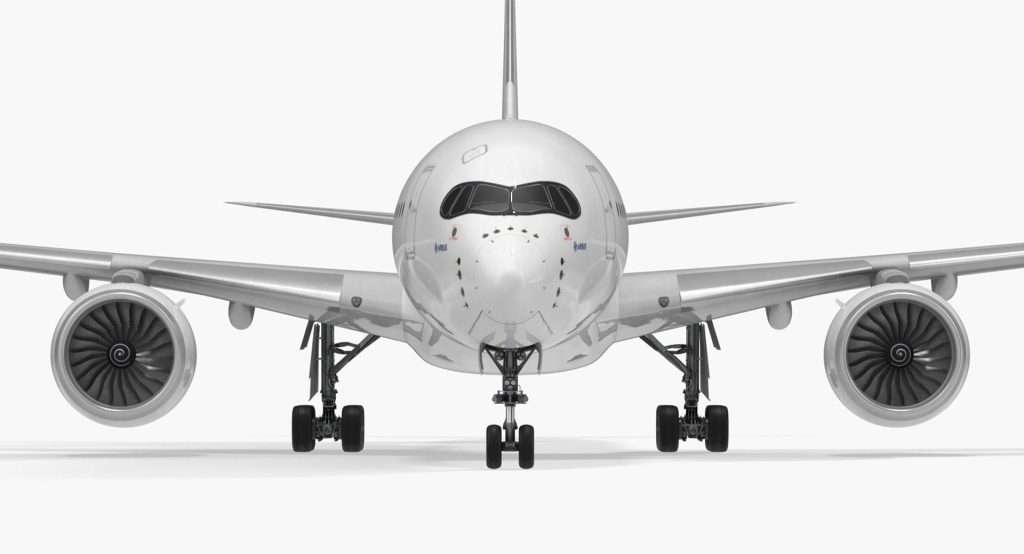
Wagner describes the increase in A350 production as inevitable given the type’s persistent market demand. However, increasing the rate isn’t as simple as building more planes; it requires considering supply chains and, eventually, board investment in more space.
Moving beyond the 12-to-13-aircraft mark a month would mean establishing a new line and industrial system, per Wagner. With a 2028 target of 12 units a month, the manufacturer has confirmed it’s keen to keep growing beyond that, with a backlog that will sustain production deep into the next decade.
Therefore, Airbus must consider not just the chance to produce a larger A350-2000 to meet airlines’ evolving requirements, but what this would do to existing production rates if pursued and what that means for an investment in not just larger facilities to support increased output, but also how suppliers will be able to match the increased requirement for aircraft.
The A350-2000 therefore requires production and space support, along with supplies; however, it also requires a separate case for the development and commercial interest in this type of aircraft. Without validation that this would turn a profit for the manufacturer, it’s hard to greenlight, even if a handful of airlines are interested.
Who wants the larger A350-2000?
Interest in a possible stretch from Airbus has remained largely private, unlike competitor Boeing’s 777-10, which Emirates is heavily pushing and backing as it moves toward feasibility studies. Airbus has said several parties have been discussing its own counter, but it hasn’t made those public.
Emirates is a clear example, though, of an airline after a larger twin-engine widebody, with President Sir Tim Clark saying that it was considering either the 777-10 or A350-2000 as it moved forward with plans to replace its A380s and add capacity to its most congested international routes.
In the Dubai-based carrier’s case, a larger A350 would therefore enter fleet-planning discussions and complement the 777-9s, for which the airline is already the largest customer. Emirates already flies the A350-900 but has skipped the A350-1000 so far over engine concerns, while also holding out for something bigger.
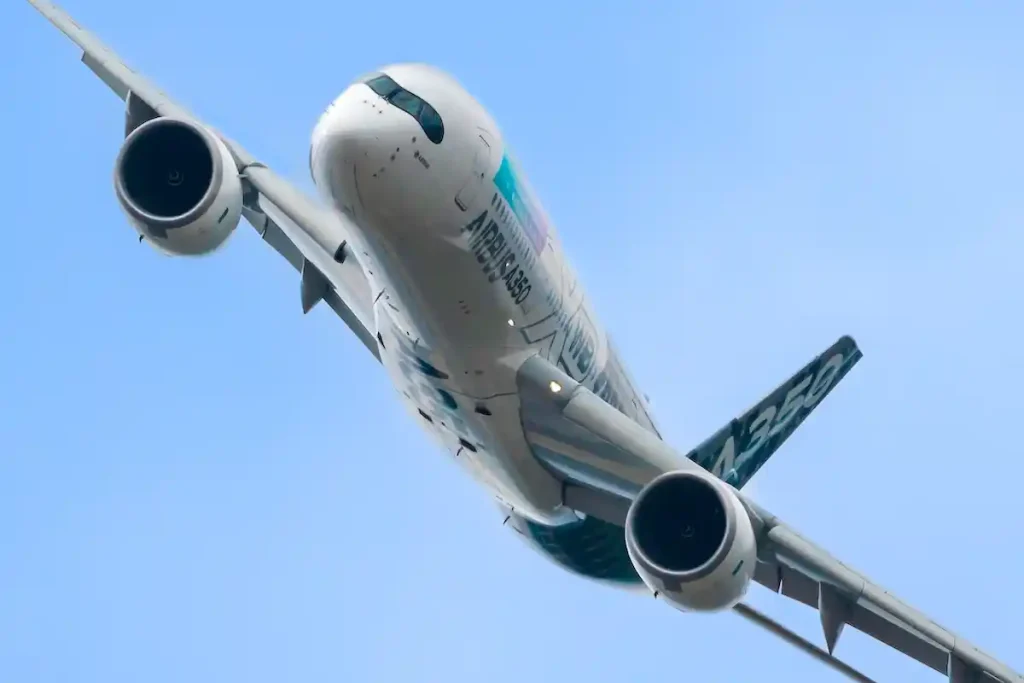
A stretch also presents for many A350 operators as a logical next step: improving capacity on a proven platform with commonality and lower risk than a new superjumbo or larger clean sheet. Several airlines, including Etihad Airways, British Airways, and Qatar Airways, and soon-to-be Qantas, use the A350-1000 in their widebody fleets and have used the type to replace older quad-engined widebodies.
With Airbus and Boeing not moving forward with a new quad-engined superjumbo, replacing jets like the A380 and 747 has become more challenging. If pursued and launched, the A350 Stretch or Boeing 777-10 could offer the next-best option on the market and be far more efficient.

ABOUT THE AUTHOR
Daniel Fowkes is a Melbourne-based aviation analyst and journalist with over a decade of industry experience. As founder of Dj’s Aviation, he delivers trusted analysis on aircraft, airline strategy and global aviation trends for djsaviation.net
Leave a Reply
Related Articles




Stay Informed
Get the latest aviation news, analysis and route updates delivered to your inbox.
We respect your privacy. Unsubscribe at any time.
Enjoyed this story?
Make us your go-to for aviation news
Add us as a preferred source on Google and see our latest stories first in Top Stories.
Add Us On Your News Feed
Very interesting