
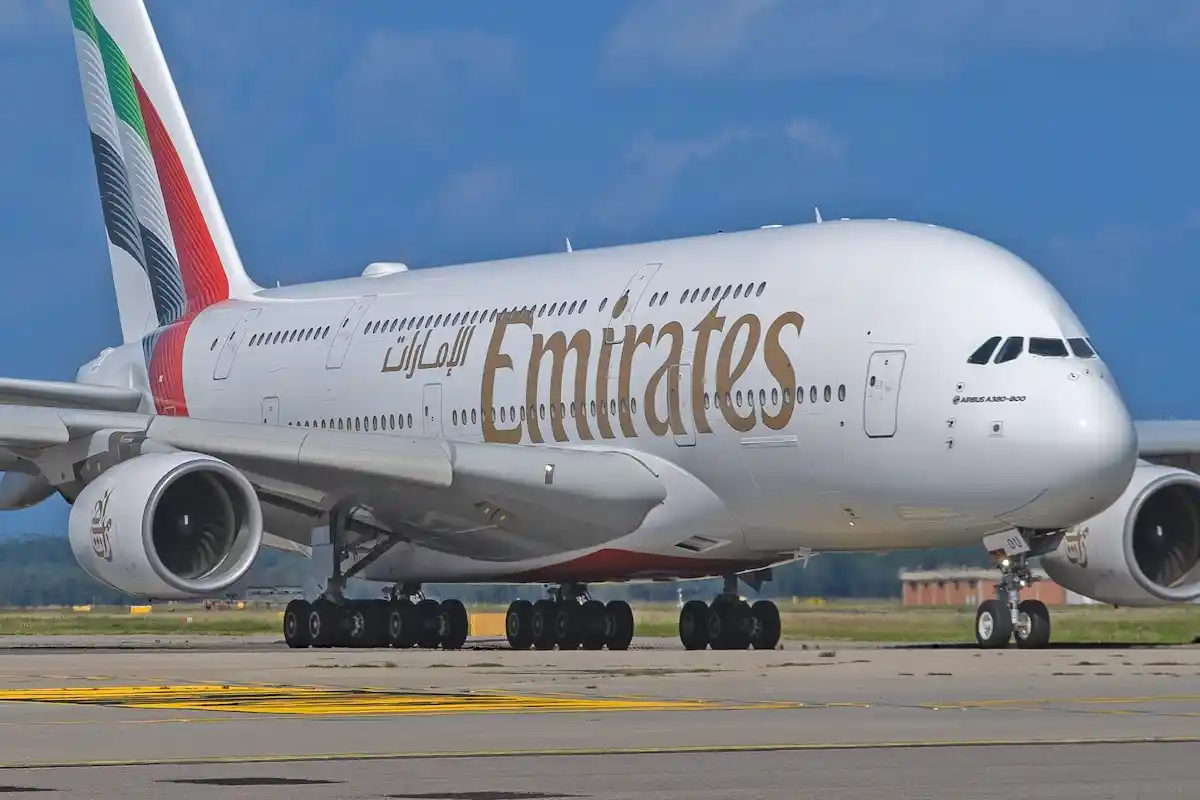
Emirates president Sir Tim Clark is still pressing Airbus to move forward with a redesigned A380 years after he first urged the planemaker to do so.
Speaking on a podcast with Aviation Week, Clark said an aircraft with new engines, a new wing, and a fundamentally revised aerodynamic design would be of interest.
Discussions revealed that the manufacturer sought a commitment for 250 of the new A380-type jets to cover the costs, as Emirates continues to demand larger jets even if models like the world’s largest passenger plane are not being favoured.
However, while Emirates and Clark have ambitions for what they would produce, those ambitions remain far from reality, with the understanding that their desired jet is unlikely due to capacity concerns.
Emirates wants a new A380, not the A380-800
At the heart of Emirates’ proposals to revive the A380 isn’t bringing back the A380-800, but applying the lessons and frustrations from the first iteration to a new jet with propulsion, structural, and system changes.
Clark described incorporating UltraFan technology into further concepts, including a new wing and a smaller vertical tail, complemented by a design that prioritised more composite materials.
Given the technical leaps in the A350 and 787 families across the industry, the belief was that these improvements could be transferred to the redesigned double-decker to address some of the inefficiencies found on the first platform.

The changes flagged by Emirates could reduce operating costs by 25% and cut hourly fuel consumption by around three tonnes, but this is based purely on Clark’s calculations and not on whether all the changes would be feasible.
While Emirates has been desperately searching for a like-for-like evolution of the A380-800 without compromise, the feel is that a new model would also offer opportunities beyond efficiency.
A large gap between Airbus and Emirates
Clark said the podcast recalled two separate exchanges that looked toward directly reviving or bringing back an A380-type product and the challenges involved.
During discussions before the A380 programme ended, Airbus indicated that an order for 200 of the type would keep production going, which was too far for Emirates and a commitment to an older type it couldn’t accommodate.
Through the 2010s, Airbus pushed the A380 to extend production life, and while it never disclosed how many orders it needed, it couldn’t generate interest that turned into firm orders.
With keeping the existing A380 programme alive not an option, Emirates also talked with Airbus about a redesigned variant, and Airbus was open and listening. Airbus proposed a deal in which Emirates would help pay for the plant and production requirements, but the Dubai-based carrier quickly rejected it as not its responsibility.
For Airbus to break even on this new A380-type aircraft, it felt it needed 250 jets, but Emirates looked for demand around 100. Interest in a new A380-type aircraft beyond Emirates has been scarce, with few discussions with Qatar Airways before it shifted its tone on the family in the mid-2010s; that didn’t amount to anything either.
As a consequence, while Clark was willing to pursue a new A380 and put forward design proposals that would dramatically reduce operating costs and address some of the stress points found today in the A380-800, the gap between the designs and reality was wide.
Stretched Airbus A350 may be the only option
With such a wide gap between the ambition and reality of a new A380, and it becoming increasingly likely, based on previous discussions, that a new A380 won’t launch, Emirates must make a compromise if it wants a true replacement for its existing fleet.
That compromise involves pursuing the current in-study variants of the A350 and 777X programs at Airbus and Boeing, respectively. Both manufacturers have committed to studying the type after positive discussions were held with customers, indicating that a stretch would be of interest.
Lars Wagner, Airbus Commercial Aircraft chief executive, recently said a large variant of the A350 could enter service in the early to mid-2030s, but no decision was expected before the end of 2026.
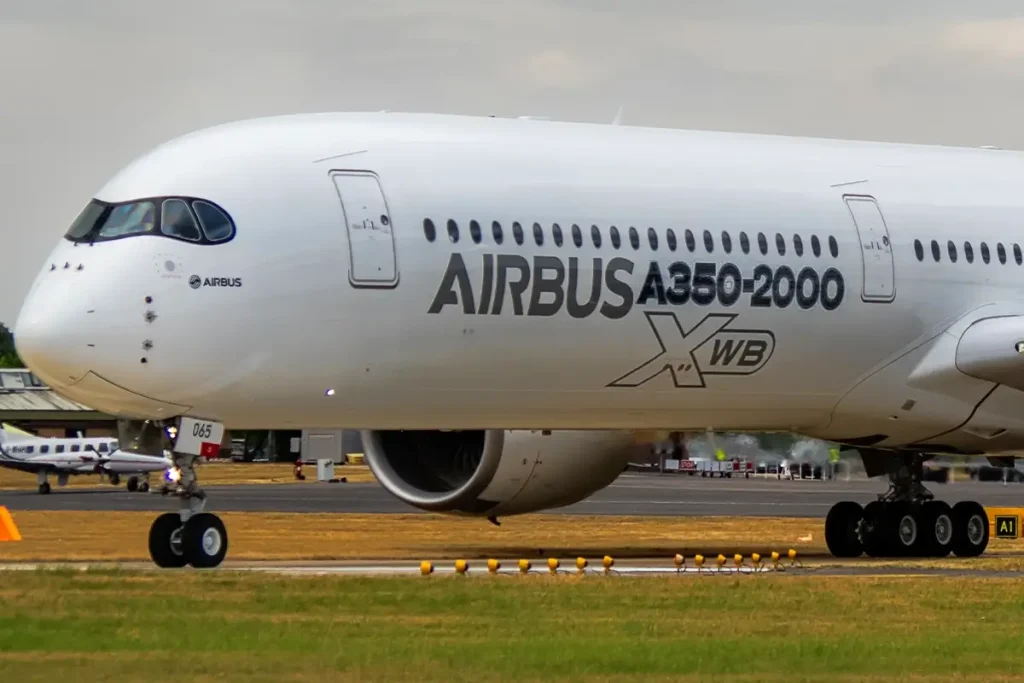
The proposal from Airbus and Boeing therefore remains unapproved, while the focus is on the studies; this isn’t the green light Emirates would ideally need to invest in the product and add another jet that represents a step above the 777-9 to help phase out the A380.
Offering additional seats but not a double deck like the A380-800, the A350-2000 and 777-10, as they’ve been dubbed, would become the largest passenger planes in production and carry two engines to improve efficiency over the previous era of quads dramatically.
These jets are being studied largely because of Emirates’ interest. While there’s no guarantee they’ll be produced, they’ve become the best chance the Dubai-based carrier has of getting a new ultra-high-capacity jet.

ABOUT THE AUTHOR
Daniel Fowkes is a Melbourne-based aviation analyst and journalist with over a decade of industry experience. As founder of Dj’s Aviation, he delivers trusted analysis on aircraft, airline strategy and global aviation trends for djsaviation.net
Related Articles
Stay Informed
Get the latest aviation news, analysis and route updates delivered to your inbox.
We respect your privacy. Unsubscribe at any time.
Enjoyed this story?
Make us your go-to for aviation news
Add us as a preferred source on Google and see our latest stories first in Top Stories.
Add Us On Your News Feed