

Qatar Airways, despite sharing its hatred of the A380 in 2015, expressed interest in a prospective A380neo.
The Doha-based carrier joined its close neighbour in Emirates, which championed the release of the new engine model to address some of the downsides of the original A380-800 model.
But why was Qatar Airways interested? What happened, and what was this new engine model that was being pushed by a handful of airlines?
Qatar Airways & The A380
Qatar Airways’ order for the aircraft was confirmed many years ago, with the deal initially including five units, later increased to ten.
The Doha-based carrier aimed to leverage growth, which was visible across the Middle East, alongside Qatar’s goals to increase its global flying presence by utilising the world’s largest passenger plane.
Operating with a hub and spoke model, the A380-800 was seen as the perfect aircraft to meet the anticipated strong demand and also the growing trend at international airports, which were seeing available slots diminish.

For this reason alone, many airlines were pushed to commit to the A380; however, as Qatar Airways would find out, along with other airlines, the operation with the world’s largest passenger plane would not pan out as intended, with the performance metrics often not stacking up to make it a worthwhile investment.
What Was The A380neo?
The Airbus A380neo remains an aircraft that never formally launched; as a result, firm details remain scarce, but as its naming suggests, there were evident indications about what it would offer.
At its core, the prospective model, which was proposed by some airlines and sparingly studied by Airbus, aimed to enhance the A380-800, addressing airlines’ concerns with the first iteration of the program.
As visible through other neo models, the core focus would’ve been the implementation of new engines across the program, similar to what has been visible with the A320 and A330 families.
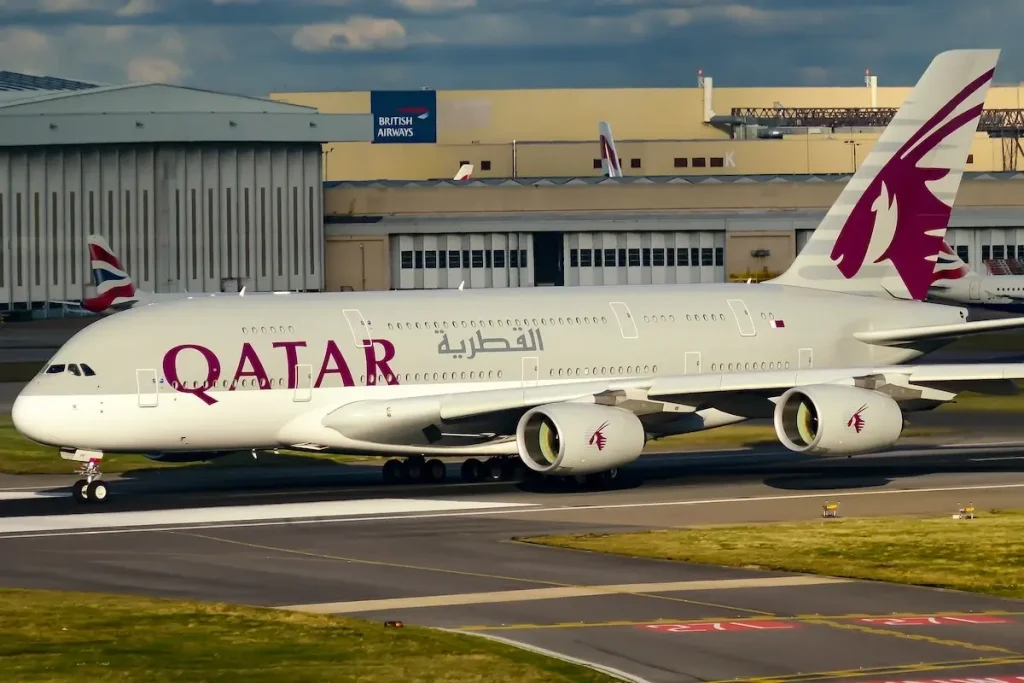
The new engine technologies would have increased efficiency on the aircraft, making it a more cost-effective upgrade for airlines seeking to evolve their flying with the superjumbo, a complaint of customers of the original version.
Qatar Airways’ A380neo Interest
Qatar Airways’ interest emerged primarily in 2015, when the prospective A380neo garnered the most attention from multiple customers, with Turkish Airlines also expressing interest.
At the time, the airline’s Chief Executive Officer, Akbar Al Baker, said the prospect of the A380neo was of interest and that it would consider purchasing the model if it helps achieve better performance as suggested.
Speaking with reporters, Baker said that if Airbus produced the plane, they would order the aircraft with the intention to help replace the A380-800, which at the time was still very young in the airline’s fleet.
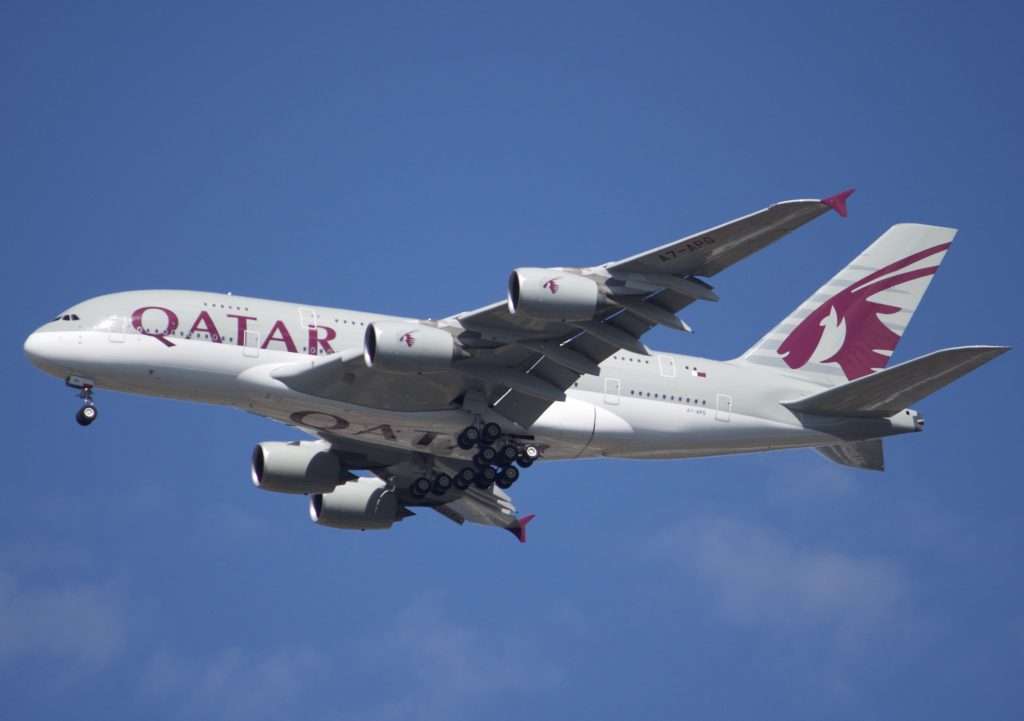
However, Qatar Airways had three pillars that needed to be met on the aircraft before it would proceed with a purchase, which involved a better range, increased capacity compared to its predecessor, and reduced fuel burn.
Only then, if all of these three areas were met with the latest iteration of the Doha-based carrier, would it look to purchase the aircraft, but knowing Airbus would need to move ahead with the launch itself.
But Does Qatar Hate The Superjumbo?
Qatar Airways’ interest in the Airbus A380neo, however, comes with the hindsight of more recent commentary surrounding the superjumbo, which has been overly negative.
In several interviews across the 2020s, the former CEO of Akbar Al Baker took the opportunity to express his strong distaste for the A380 product.
During these interviews, notably one with Forbes, Baker stated that the return of the A380, which had been grounded during the COVID-19 pandemic, was only occurring due to a market requirement under current conditions.

The business is one of many that have been affected by the global supply chain crisis, which has impacted the delivery of next-generation aircraft that would’ve played an integral role in replacing the world’s largest passenger plane.
Baker did not stop there, continuing to use interview opportunities as a chance to bash the Airbus A380 and how it was one of the biggest mistakes that the company had made, a far cry from the 2015 interest in a possible A380neo.
While Qatar Airways and Airbus were not on the best of terms throughout the early stages of the 2020s because of a major paint defect scandal that led to groundings, order cancellations, and more, negative comments surrounding the A380 continued even after this was resolved.
In an ideal world, the A380 would’ve never returned to the Qatar Airways operation when restrictions eased. Still, it did, and since the previous management took every opportunity to speak negatively about it.
What Happened
In the end, Qatar Airways would not naturally move ahead with the A380neo, as neither would Airbus, deciding to conclude production on the superjumbo in 2019 after Emirates axed orders.
Airbus made several last-ditch sales attempts to revive the A380’s popularity; however, all of these sales pushes ultimately failed, reflecting the program’s current state.

While Airbus even moved ahead with an A380plus development study, this attracted no firm interest. Despite the comments from Akbar Al Baker in 2015 surrounding an A380neo, this would be primarily their own documented interest in the new engine model.
Nowadays, the A380-800 continues to fly with the Doha-based carrier, serving its international long-haul network and acting as a solution to the airline’s struggles to acquire new aircraft and meet demand in major cities.
However, the A380-800 usage is certainly not seen by Qatar Airways as a long-term solution, but rather as a necessity. Despite the youthful nature of the fleet, it would be axed at the first given opportunity, which has not yet come.
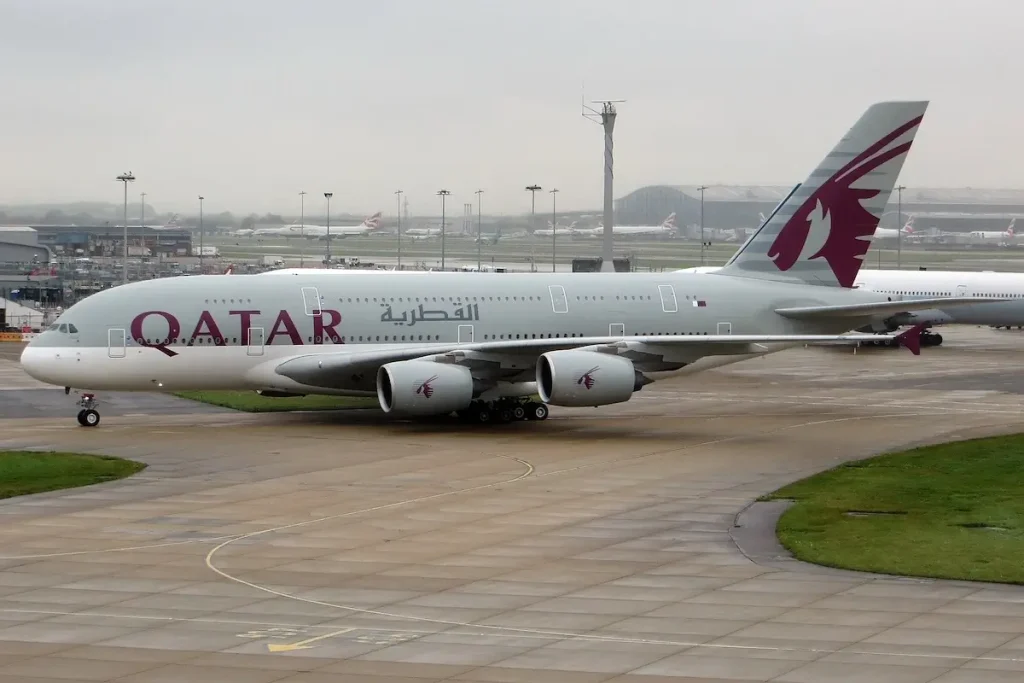
Aircraft types such as the already flying but still being delivered A350-1000 and the five-plus-year-late Boeing 777X remain crucial to allowing the retirement of the A380. Still, with complications in the delivery of these jets, the A380 has stuck around.

ABOUT THE AUTHOR
Daniel Fowkes is a Melbourne-based aviation analyst and journalist with over a decade of industry experience. As founder of Dj’s Aviation, he delivers trusted analysis on aircraft, airline strategy and global aviation trends for djsaviation.net
Related Articles




Stay Informed
Get the latest aviation news, analysis and route updates delivered to your inbox.
We respect your privacy. Unsubscribe at any time.
Enjoyed this story?
Make us your go-to for aviation news
Add us as a preferred source on Google and see our latest stories first in Top Stories.
Add Us On Your News Feed