
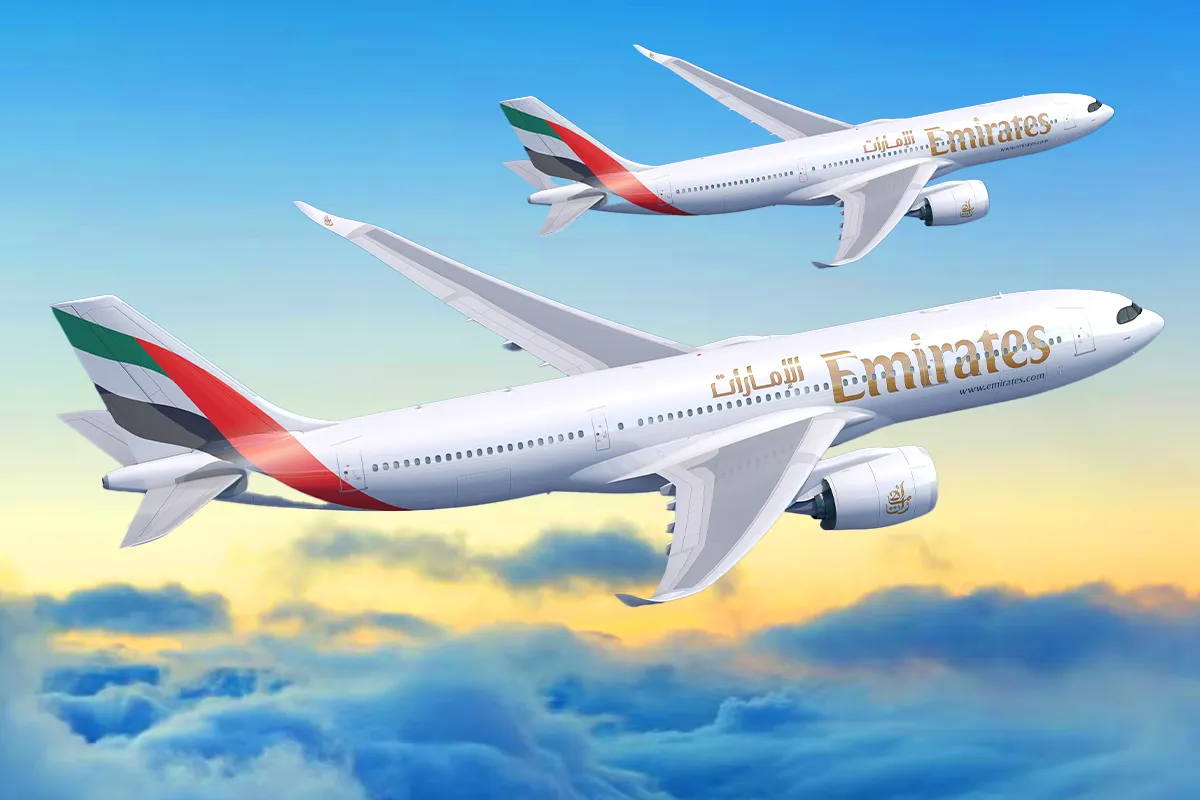
The A330neo was a temporary placeholder in Emirates’ fleet plans that shifted to better models suitable for its future travel plans.
Emirates faced a tough decision about what would replace its flagship A380s: another large aircraft or diversifying its fleet. It revised its order to include the A330neo, but later changed its mind on that model as well. Airbus wasn’t the only planemaker where Emirates was indecisive in a trend that would happen simultaneously with Boeing.
After all the aircraft model switches, Emirates finally landed on a deal that would work best for its fleet moving forward.
The A330neo Becomes Part Of Emirates
Emirates was known for flying the A380 aircraft. It received its first delivery in 2008, and over the next decade, it would increase its order to 162 total planes. These aircraft were expected to be delivered through the 2020s; however, Emirates had a sudden change of heart over the aircraft it wanted to fly going into the next decade. In February 2019, it cancelled the 39 remaining A380s that had yet to be delivered and placed a new order with Airbus.
Emirates replaced the A380 order by diversifying its order with 70 new aircraft: 40 A330neos and 30 A350s. Going from 39 A380s to 70 newer models was a better value for upgrading the current fleet.
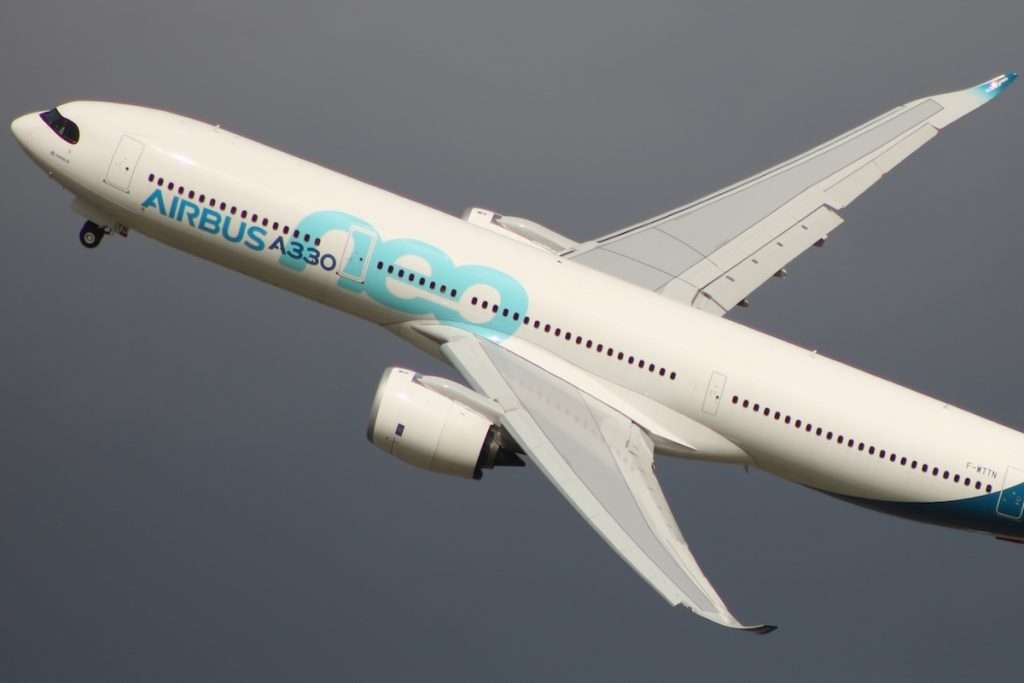
Although not a firm order, this showed that Emirates was already considering more efficient flying machines than the quad-engine A380s dominating its fleet. The A350s would take over long-haul routes and the A330neos for short- to medium-haul regional destinations.
The order change significantly impacted Airbus. Emirates was the largest customer for the A380, and cancelling its remaining order left no other airlines in the catalogue. Demand essentially dried up for the superjumbo, and Airbus ended up cancelling the entire A380 program by 2021.
Why The A330neo Was Seen As The Future
With Emirates being a catalyst for shutting down the A380 program, it was no turning back on its decision to diversify its fleet with the next generation of aircraft. This would be a strategy shift to revamp more of its regional routes instead of primarily serving the long-haul routes.
Emirates previously operated the Airbus A330ceo in the early 2000s when it more prominently flew regional destinations. It helped expand the carrier into markets across the Middle East, India, Europe, Africa, and Asia.
The A330neo would be the perfect follow-up to strengthen this market. As part of the same family, it would be a seamless transition from the previous model for pilots and crew training. Additionally, it was more fuel-efficient and offered more seats, so it was more cost-effective per seat.
Emirates phased out the A330 from its fleet by 2016. In an effort to re-diversify its fleet, the A330neo would be delivered relatively quickly, with service beginning as early as 2021.
A Deal That Never Happened
The revised Emirates order for 70 new Airbus aircraft was never firm when first discussed in February 2019. The industry finally got a glimpse into the confirmed plans by November 2019 at the Dubai Airshow when it officially signed a firm deal for 50 A350s, an increase of 20 from the original order plans. The A330neo never appeared as a line item on the official order, and rumours circulated about what happened to the aircraft.
The original deal had a retail value of more than US$21 billion. Eliminating the A330neo models significantly reduced the retail value to approximately US$16 billion.

Speculations say that Emirates was seeking the best value for upgrading the fleet. That’s also evident in the shift from the high operating costs of the A380 on long-haul routes to more fuel-efficient models, and in its strategy to refocus on medium-haul routes.
While Emirates never announced it was cutting the A330neo out of its fleet plans, its mention of it still being a discussion remained simply a talking point.
Is This A Theme At Emirates With Order Changes?
This period showed a different side of Emirates. Before, it was an airline highly confident in its fleet choices, becoming the largest operator of the Airbus A380 and Boeing 777. By the close of the decade, it began to reconsider its entire strategy, leading to indecision on the best way to diversify the fleet.
The Airbus deal changing from the A380 to a more diverse mix with the A350 and A330neo, then finally axing the A330neo from the final order, was just one saga for the UAE flag carrier. It had a similar situation with Boeing that happened simultaneously.
Emirates is the largest customer of the 777X, an aircraft that was expected to be delivered in 2020, but delays have pushed it back to as early as 2027. In 2019, it changed part of its 777X order for the 787. Even within the 787 family, it reduced the order for 40 787-10s to the smaller 787-9 model. This small variant change reduced the retail value by more than US$4 billion.

Emirates could be searching for better value in all these deals as it continues diversifying its fleet. However, early announcements are a trend for the airline, and until a firm order gets signed, it’s simply a way for them to make headlines with unconfirmed orders.
What Is Emirates Moving Forward With
The constant order changes can throw even the most diligent researcher off course in determining what will ultimately be delivered to Emirates. These aircraft help Emirates strengthen its position in medium- to long-haul routes. The Dubai-based carrier is still seeking a replacement for the A380 for high-demand, long-haul routes and is discussing stretch models with both manufacturers. However, Airbus and Boeing should both be slightly cautious about relying solely on one customer, given its reputation for sudden order changes.

ABOUT THE AUTHOR
Bryan Shelmon is an aviation journalist with 10 years of experience covering commercial aviation, private aviation, airports, aircraft and wider industry news. Based in the Detroit metropolitan area, he has contributed to publications including Lonely Planet, Matador Network and Visit Detroit.
Related Articles




Stay Informed
Get the latest aviation news, analysis and route updates delivered to your inbox.
We respect your privacy. Unsubscribe at any time.
Enjoyed this story?
Make us your go-to for aviation news
Add us as a preferred source on Google and see our latest stories first in Top Stories.
Add Us On Your News Feed