

Emirates’ relationship with the Boeing 787 has hardly been smooth sailing, and represents one of its weirder aircraft orders to date.
From a complicated history involving cancellations, delays, the COVID-19 pandemic, and now general uncertainty about the future of the series in the fleet, what’s going on?
A Complicated History
Emirates’ past with the Boeing 787 hasn’t been easy, but few aircraft histories have been either. Historically, there has always been an obstacle that hinders the airline, never quite deciding on its composition or final decisions until seemingly the last moment.
Emirates first placed an order for the Dreamliner nearly a decade ago, when in 2017 a deal included 40 of the 787-10s and ultimately followed a long decade of interest from the airline that was not actioned on.
At the time of the 787 purchase, it was viewed by the Dubai-based carrier as more than just a run-of-the-mill purchase; instead, it was an order that would signify a fresh phase of growth, with the airline looking to diversify its fleet firmly.

But mere two years after it confirmed its purchase of the Boeing 787 Dreamliner, a change was in order, with the airline going on to adjust its fleet mix, instead opting for the 787-9, with the -10 removed entirely.
While this seemed like it was to be the final decided fleet mix, that couldn’t have been further from the truth, with the airline then going on to confirm in 2023 its intention to change the mix up, thanks to an order for 35 of the 787s, spread between the 787-8 and 787-10, thus bringing back the high-capacity model.
Over the years, the business has continued to make changes to the point that the midpoint of the decade has been reached, and the decision on how the mix of variants will look seems unclear.
The Current Fleet Position
For an extended period, Emirates has relied on just two aircraft types, reaping benefits but also facing negatives. The 777 and A380 held the flag for the airline’s operations for quite some time; these two high-capacity jets are certainly optimal for the network’s hustle and bustle.

However, as Emirates’ demand evolved, these planes operated for extended periods without any other coverage, making the fleet mix more complex and presenting new opportunities that were not yet viable.
While the 777 and the A380 are excellent aircraft in the airline’s fleet, they come with their restrictions due to their scale, especially for the world’s largest passenger plane, and that’s where the Airbus A350 comes into play.
The A350 is the airline’s newest aircraft type, which has been delivered, the jet making its mark right throughout 2025, being deployed to many international markets, and specifically secondary cities on routes that previously were either served by older planes or not viable because the aircraft that were in the fleet would’ve have made sense to those locations.
Emirates has gushed over the A350’s acquisition and what it has done for its network, bringing more routes to the operation and enhancing service to many important global cities that were previously served by older aircraft with, therefore, older interiors.

The same feeling with the 787 isn’t as clear because of the long history; the 787’s flexibility and versatility, once delivered, are expected to enhance the business. And, for all the positives the A350 has brought, once delivered, it wasn’t a smooth path.
Emirates’ order for the A350 dates back to the latter stages of the 2000s; however, cancellations and delays pushed its debut past the initial 2014 schedule. It would be another decade before the first delivery was achieved; now, the business is happier than ever.
Emirates Unsure On 787?
Unfortunately, even with the recent order changes and new aircraft deliveries, Emirates’ history with the Boeing 787 has been rather complex, with more questions than answers across the business.
In November, on the sidelines of the Dubai Airshow, it was reported that Emirates’ Chief Operations Officer, Adel Al Redha, knew a decision on the Boeing 787 was way overdue.

That decision would relate to the makeup of this aircraft moving forward, yes, that includes the prospect of picking specific variants, delivery windows and such.
However, that decision has yet to be made, as Emirates has not formally decided on the makeup of its 787 fleet.
The aircraft is a popular one; right across the family, it has proven itself a leader in the industry, thanks to its capabilities and the flexibility it offers customers. With that comes a heavy backlog.
Given Boeing’s many problems over the last half-decade, production rate increases on this widebody have also not occurred at the intended pace, as backlog has only grown, and short-term delivery availability remains scarce.
Emirates’ biggest stumbling block now is deciding on the variant mix that would allow delivery windows to be finalised, something it does not seem very sure on, and a repeated theme in many of its aircraft orders across recent decades that have always taken.
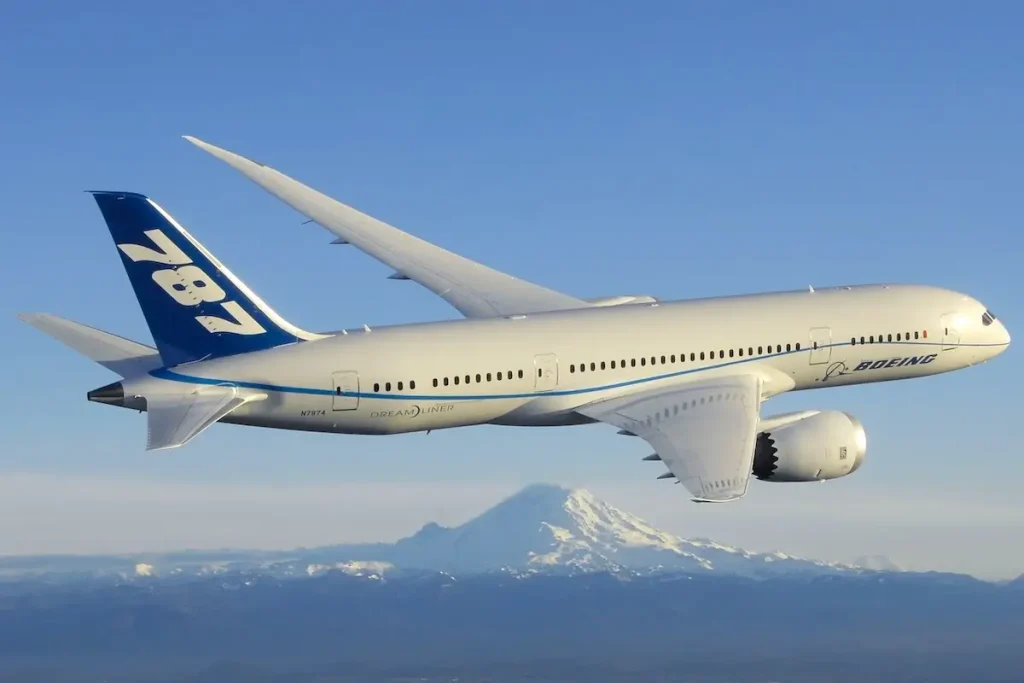
Instead of making a firm decision, Emirates is instead buying its time with the hope that waiting will allow it to make the right decision for its fleet mix, and this is likely to come at the final hour, as Boeing’s patience also wears thin as they try to understand their delivery schedules moving forward.

ABOUT THE AUTHOR
Daniel Fowkes is a Melbourne-based aviation analyst and journalist with over a decade of industry experience. As founder of Dj’s Aviation, he delivers trusted analysis on aircraft, airline strategy and global aviation trends for djsaviation.net
Leave a Reply
Related Articles




Stay Informed
Get the latest aviation news, analysis and route updates delivered to your inbox.
We respect your privacy. Unsubscribe at any time.
Enjoyed this story?
Make us your go-to for aviation news
Add us as a preferred source on Google and see our latest stories first in Top Stories.
Add Us On Your News Feed
More flexible to have Boeing 787 in the present scenario in the world.