

Emirates’ newest aircraft, the Airbus A350, is seen as ideal for developing its operations.
The Airbus widebody marks the first new model to join the fleet in nearly two decades and complements the A380 and 777.
However, with a new model comes excitement and optimism. Why has the aircraft been viewed as the perfect solution for the carrier, and what’s the long, complex story involved?
The Emirates A350 Story
Emirates’ history with the Airbus A350 is relatively complex, a story spanning nearly two decades that has involved an order, a cancellation, and a re-order before eventually taking delivery of the aircraft.
After ordering the Airbus A350 at the Dubai Airshow in 2007, the company also committed to purchasing additional Airbus A380’s to expand its fleet and reliance on the superjumbo.

The deal, which was signed, included orders for 70 widebody jets, spread across the A350-900 and the high-capacity A350-1000, with deliveries expected to commence in 2014.
The purchase coincided with a period of high confidence in growth, and the use of these aircraft played an integral role in that; however, the airline’s fate with the jet hardly turned out as intended.
Seven years later, when deliveries were initially scheduled to commence, the Dubai-based carrier decided to significantly alter its fleet makeup, leading to a cancellation
Emirates said it would cancel its entire A350 order, scrapping commitments to both variants, a blow for the program, which was set to see Emirates as a key customer during its launch into the industry.
The decision from Emirates was reached after what it described as a thorough review of its fleet requirements, a common theme across its industry that at times results in changes to its orderbook to best optimise itself for the long term.

With a revised delivery timeframe for these widebodies pushed back to 2019 as well, Bloomberg reported that Emirates’ revised timeframe would have seen fleet growth drop even if it had held the order.
Emirates Comes Back To The A350
It’s not often that airlines cancel orders for an aircraft and, around half a decade later, return to the same model and purchase it again; however, this is precisely what Emirates did.
In February 2019, the airline confirmed a US$21.4 billion list-price deal with the European planemaker, committing to 30 A350-900s.
At the end of that year and at the 2019 Dubai Airshow, Emirates announced that its order for 50 aircraft had been firmed up.
The airline’s story with the jet was then troublesome: just months after the commitment, the COVID-19 pandemic threw a spanner in the works, leading to several delays for the Dubai-based company.

By January 3, 2025, however, the airline was able to celebrate its newest aircraft type, the A350, as it entered commercial service, marking the first new model for well over a decade, as the company had relied strictly on the A380 and 777 for flying.
What The Aircraft Means For Emirates
The Airbus A350 is not just the first new aircraft type to be delivered to Emirates in well over 10 years, but also represents a fundamental new era for the business.
With the A380 and 777 holding their own across the network, the A350 offers greater route flexibility for the first time in a long time.
While the A380 brings truckloads of capacity, it can only fly into specific markets, leaving the 777 to serve others. Even with this composition, Emirates has recognised that reaching markets has been a struggle.
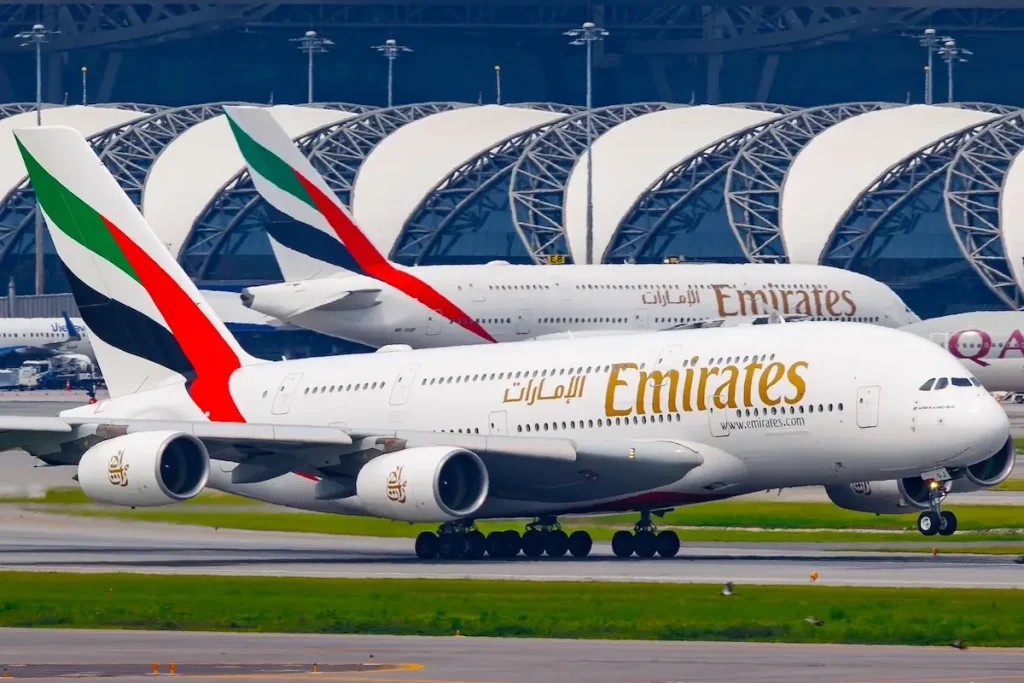
By taking delivery of the A350, featuring a more modest capacity, Emirates knows it has the opportunity to serve more secondary markets with regular service and, in turn, allow its existing long-haul flagships to focus on cities that require high levels of daily capacity.
While the A350 is not on the same scale as the A380, it also offers opportunities inside the cabin to configure batches in layouts optimised for serving specific locations based on passenger trends and requirements.
Additionally, there’s a high level of demand forecast for the coming decade, and Emirates knows it needs more planes to serve its home and boost Dubai’s economy.
The A350 can serve locations in the Middle East, West Asia, or Europe, and therefore the A350-900 is seen as the perfect option for medium- to long-haul regional deployment.
Ultimately, that A350 with its next-generation efficiency offers something the Dubai-based company does not have in its fleet at this moment, and that’s precisely why the airline has been so excited to bring the jet on.
What’s Next?
Moving forward, the Airbus A350 will continue to be delivered to Emirates, with more aircraft, enabling the airline to deploy the jet to existing markets, make relevant aircraft swaps to free up another jet, or deploy the Airbus widebody to new locations.

Additionally, Emirates will soon begin taking delivery of the long-awaited, but also heavily delayed, Boeing 777X. This aircraft, when paired with the A350, will be pivotal to the renewal of the fleet as older 777s begin to exit.
Moreover, the A350 and 777X represent the largest twin-engine and high-capacity aircraft currently in production, with Airbus and Boeing not moving ahead with dedicated replacements for their quad-engined models.
While executives have reaffirmed their position that the A380 will remain in service until the 2040s, it will also need to begin moving forward with replacement efforts, arguing how it can replace a jet that is simply irreplaceable.
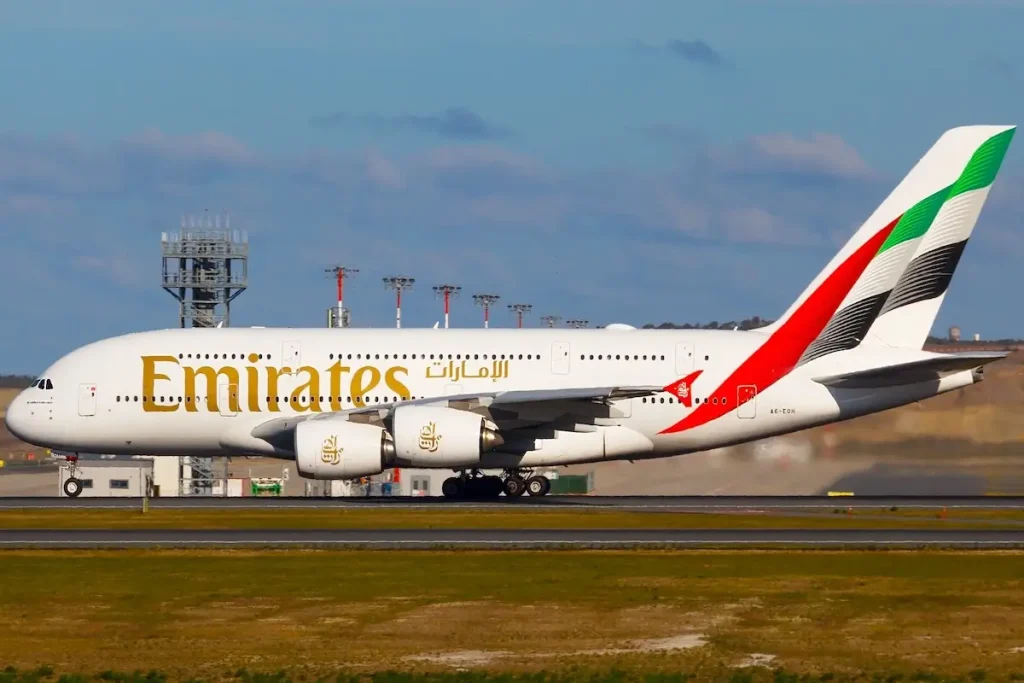
At one point, Emirates did have commitments for the A350-1000; this is still a possible option for the business moving forward, however, it has already made calls to Airbus and Boeing to get them to produce larger twin-engine widebodies, such as a possible A350 Stretch or 777-10, those calls having gone unanswered at this stage.

ABOUT THE AUTHOR
Daniel Fowkes is a Melbourne-based aviation analyst and journalist with over a decade of industry experience. As founder of Dj’s Aviation, he delivers trusted analysis on aircraft, airline strategy and global aviation trends for djsaviation.net
Related Articles




Stay Informed
Get the latest aviation news, analysis and route updates delivered to your inbox.
We respect your privacy. Unsubscribe at any time.
Enjoyed this story?
Make us your go-to for aviation news
Add us as a preferred source on Google and see our latest stories first in Top Stories.
Add Us On Your News Feed