
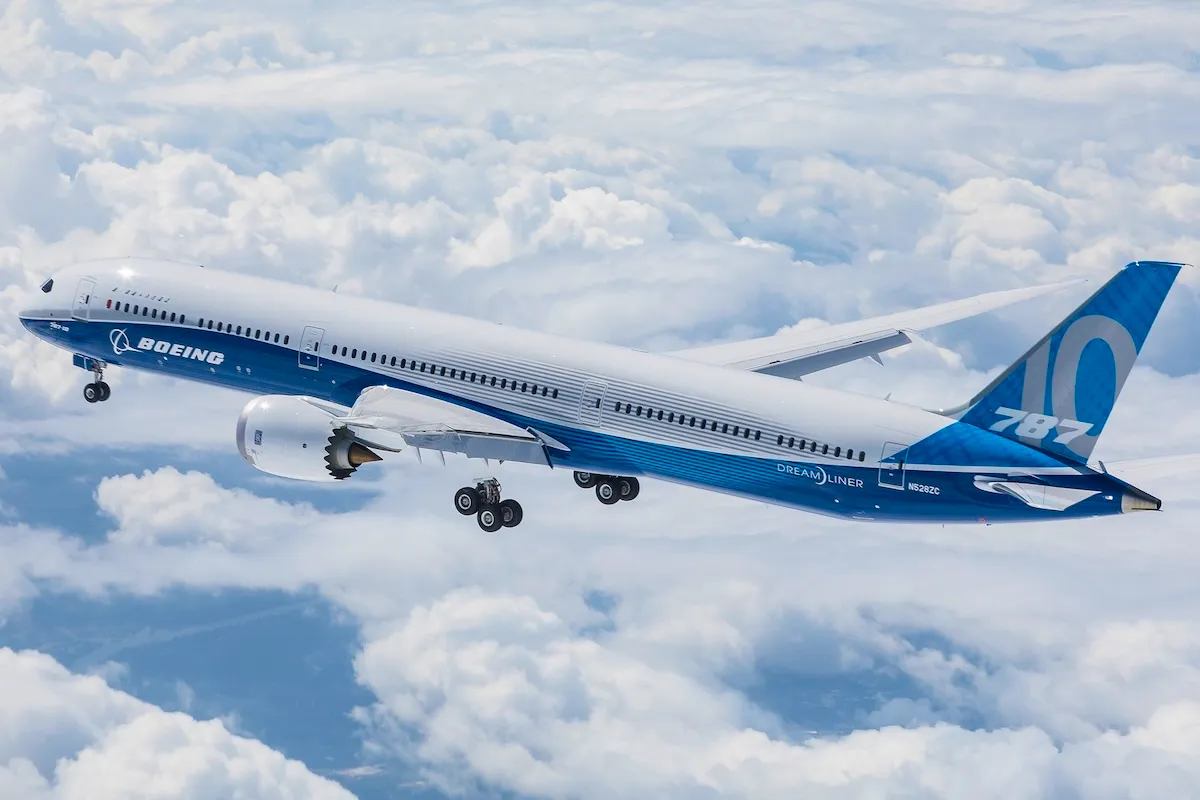
Boeing’s drought in the Philippines is over, with flag-carrier Philippine Airlines buying from the American planemaker for the first time in almost two decades.
The landmark transaction, which saw a commitment to the Boeing 787-10 Dreamliner, came at the 2026 Farnborough International Airshow and means that the planemaker will work with Airbus to provide future aircraft for the Manila-based company.
As the airline defines its widebody operation through the mid-2030s, adding Boeing planes creates diversity and new opportunities across regional and long-haul international operations.
Philippine Airlines Returns to Boeing With 787-10 Order
The Philippine Airlines agreement covers 15 Boeing 787-10 aircraft, with options for more. The options for five additional units, while the transaction remains subject to finalisation, give the carrier scope to increase its seat capacity if needed.
The 787-10s are scheduled to be delivered between 2031 and 2034, giving time before the first arrival and placing them at the centre of the next widebody replacement cycle rather than as an immediate capacity and renewal solution.
Philippine Airlines’ purchase of the Boeing 787 is the first direct deal signed with Boeing since 2007, ending a near-20-year period in which Airbus has largely won aircraft commitments in the duopoly between the two largest commercial airplane manufacturers.

While Philippine Airlines had largely selected Airbus aircraft for its future fleet, it still relied heavily on Boeing, most notably its fleet of Boeing 777-300ERs, vital for long-haul and high-capacity flights. However, Airbus aircraft were set to replace them.
Now, the decision to move to Boeing for the 787-10, this high-capacity model, wasn’t strictly about replacing older aircraft; it was also about building a strategy that still rests on two manufacturers and ensures growth.
The Boeing 787-10 offers a capacity range that comfortably exceeds 300 and a range pushing above 13,000 kilometers. According to the manufacturer, the aircraft uses 25% less fuel than the aircraft it is traditionally replacing, making it beneficial for the Manila-based carrier across many route segments.
Philippine Airlines’ Widebody Fleet Renewal
Philippine Airlines’ long-haul fleet comprises 2/3 older-generation jets, with the Boeing 777-300ER and Airbus A330 fleet representing an era of aircraft that is starting to disappear from the industry. The airline’s lone commitment to next-generation types is the A350, with the A350-900 and A350-1000.
While the 777-300ER remains important for high-capacity international services, the A330 fleet has covered a broader mix of regional and longer international sectors. These types still represent earlier-generation widebody technology that, while they have been workhorses, are being outpaced economically by incoming new-gen types like the 787.
The 787-10, while still about five years away from delivery, is expected to be deployed across city pairings that require more capacity and range than a narrowbody. However, the 787 will complement other commitments by suiting deployments where the A350 family is deemed too large.
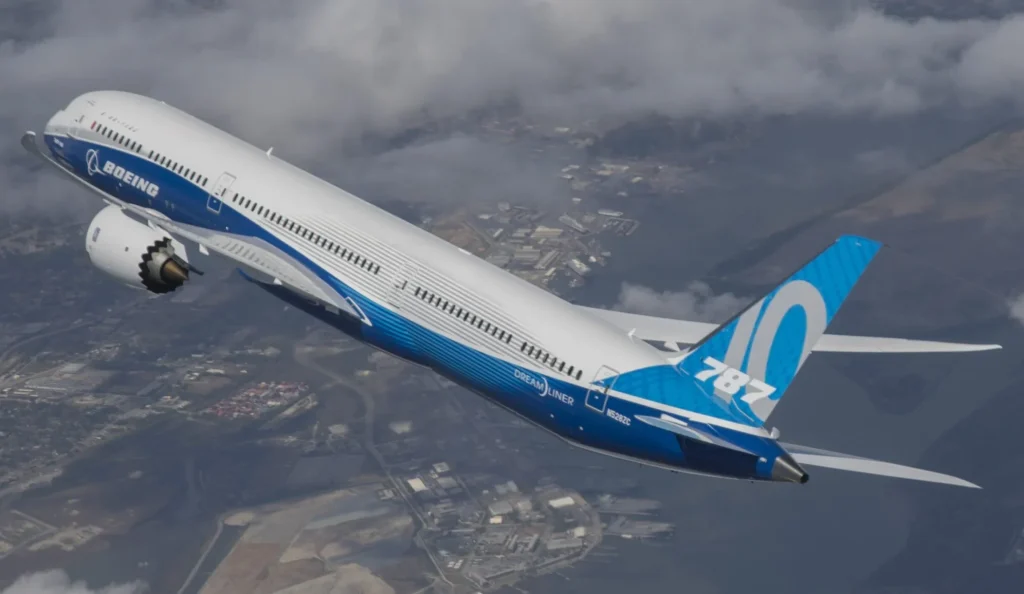
For major routes across North Asia, Southeast Asia and Australia, and even select services to the Middle East, the Boeing 787-10’s capacity bump over the older A330s should be attractive as airlines try to add seats without increasing frequencies and while managing possible slot constraints.
Even though the 787-10s will begin deliveries in the 2030s, they will still complement the existing 777s, which, while the A350-1000 is planned as their replacement, will fly side by side for a short period until the airline transitions away from the widebody.
The Dreamliners alongside the A350s give Philippine Airlines a path to retire these older aircraft, and a mixed fleet better mitigates risk in the years to come. Philippine Airlines has selected GE Aerospace GEnx-1B engines for its 787-10 fleet.
Airbus Remains Key to Philippine Airlines’ Fleet Strategy
While Philippine Airlines committed to Boeing planes at the Farnborough Airshow, that represents only half the story, with a decision to order nine additional Airbus A350-1000s and options for five more.
These Airbus A350-1000s will, like the 787-10s, be delivered in the mid-2030s and thus are the next stage of fleet renewal that won’t show results across the business until the late-2030s. However, combined with Boeing, these commitments represent up to 34 widebodies and create one of the largest and most ambitious widebody programmes in company history.
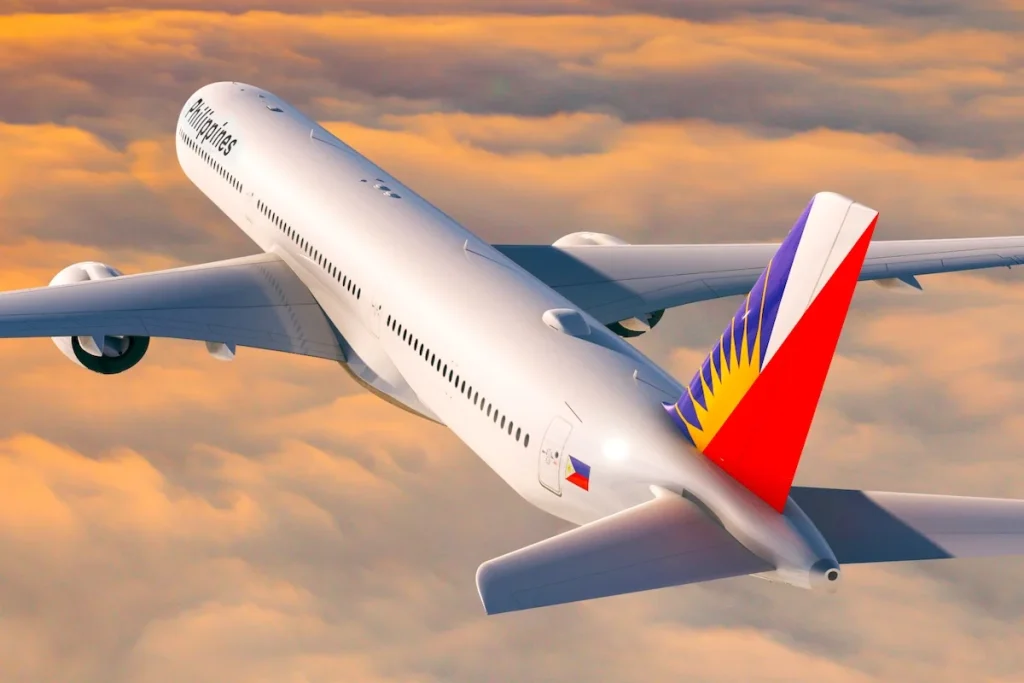
Committing to this many aircraft gives the airline confidence in its future and a more flexible, reliable mix of planes to meet demand across several international markets.
The A350-1000 offers greater range than the A350-900 and is better suited to some of the longer sectors across the network, which will become increasingly important as the Boeing 777 fleet is removed. However, aircraft like the 787-10, with lower capacity, are better suited to dense medium- and long-haul services.
Airbus, across single-aisle aircraft as well, will continue to play a pivotal role with A321neo jets and the A350 family for widebodies, meaning its role in the Manila-based carrier’s backlog remains significant. Still, Boeing has restored its presence in Philippine Airlines’ widebody fleet planning.

ABOUT THE AUTHOR
Daniel Fowkes is a Melbourne-based aviation analyst and journalist with over a decade of industry experience. As founder of Dj’s Aviation, he delivers trusted analysis on aircraft, airline strategy and global aviation trends for djsaviation.net
Related Articles




Stay Informed
Get the latest aviation news, analysis and route updates delivered to your inbox.
We respect your privacy. Unsubscribe at any time.
Enjoyed this story?
Make us your go-to for aviation news
Add us as a preferred source on Google and see our latest stories first in Top Stories.
Add Us On Your News Feed