

Boeing has welcomed Philippine Airlines to the 787 Dreamliner family with a historic purchase nearly two decades in the making at the Farnborough Airshow.
The contract sees Philippine Airlines announce a deal for up to 20 787 Dreamliners, and, once finalised, will include firm units and options that can be exercised at a later date.
Not only is this the first order placed by Philippine Airlines with Boeing in almost 20 years, but it’s also the first order for the 787 Dreamliner from a new customer, a feat not often seen so long after the widebody’s debut.
Philippine Airlines’ 787 Order At Farnborough
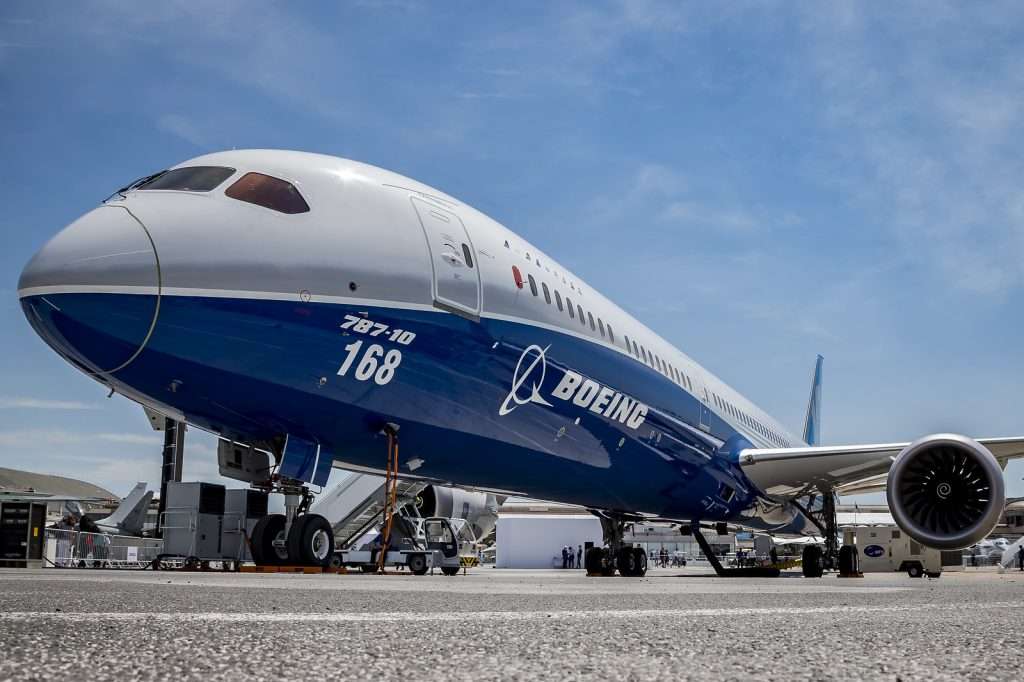
The memorandum of commitment unveiled at Farnborough sees Philippine Airlines select the largest variant of the 787 family, the 787-10, for the next phase of its planned fleet modernisation and growth efforts.
The contract, which includes up to 20 high-capacity units, consists of 15 firm units and 5 additional options exercisable later. These options give the airline the chance to scale up its commitment if demand and finances permit.
Boeing has long been absent from conversations about the future fleet makeup at Philippine Airlines, as the carrier has leaned more heavily on Airbus for an extended period. As the Farnborough Airshow drew closer, however, chatter began to surface about the need for widebodies at the flag-carrier.
Philippine Airlines’ selection of the 787 Dreamliner marks an important step forward in our partnership, one that spans 80 years. We’re grateful for PAL’s trust in Boeing, and our team looks forward to delivering advanced-technology airplanes that deepen connections across the Philippines, Asia and beyond.
Stephanie Pope, president and CEO of Boeing Commercial Airplanes
Philippine Airlines’ President and Chief Operating Officer Lucio C. Tan III, meanwhile, commented on the transaction, saying that their investment reflects confidence in the future of Philippine Airlines and the continued growth of global air travel.
The 787 is a natural choice to address the backlog moving forward and to provide a better travel experience for customers at a fraction of the cost of some older widebody planes that have long been in the fleet.
These Boeing 787-10s are expected to sit alongside the existing fleet composition of Boeing 777 jets. The fleet of 10 will continue to fly, expanding operational flexibility on medium-to-long-haul routes.
Philippine Airlines envisages the new aircraft serving dense regional flights and being deployed across key international markets, where it believes that both capacity and efficiency are essential to success.
Why The Boeing 787-10 For Philippine Airlines?
The Boeing 787-10 for Philippine Airlines brings together several elements it’s been looking for in its next aircraft purchase. From capacity and efficiency to passenger appeal, these are among the many reasons the variant has been a success for airlines, which is why the flag carrier has committed to it.
As the largest member of the Dreamliner family, it can carry upwards of 300 passengers comfortably, stretching to close to 400 depending on the configuration, and still fly up to 13,890 km (7,500 nautical miles).
These operating metrics enable Philippine Airlines to serve some of its core long-haul markets while offering enough seats on its services to meet demand and, in turn, make routes profitable deep into the coming decades.
The composite design and engines on the 787 also deliver around 25% lower fuel burn than the older widebodies it has been tasked to replace. As a result, for an airline in a post-restructuring environment, these efficiency improvements are significant to improving margins.
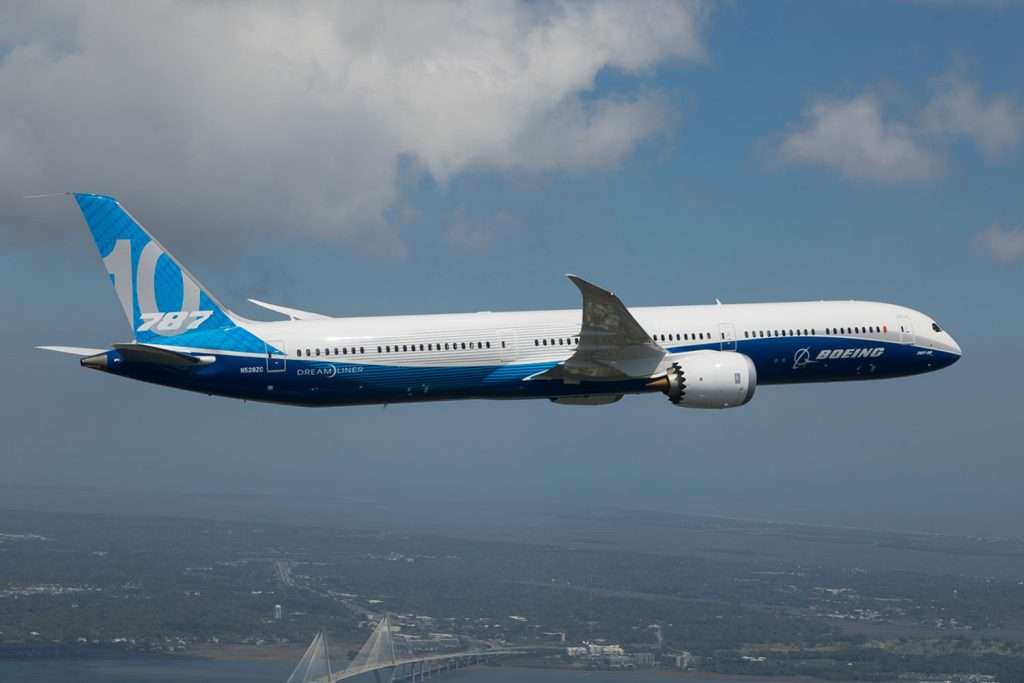
Philippine Airlines sees the Boeing 787-10s as just that, aligning closely with a pattern now in the Asia Pacific, which is seeing a shift towards long-haul flying on mid-sized twinjets like the 787-10 and Airbus A350.
These aircraft offer airlines sufficient range and strong capacity for most missions. They can do so at significantly lower operating costs than older quadjets or early-generation twins that may have previously occupied the fleet.

ABOUT THE AUTHOR
Daniel Fowkes is a Melbourne-based aviation analyst and journalist with over a decade of industry experience. As founder of Dj’s Aviation, he delivers trusted analysis on aircraft, airline strategy and global aviation trends for djsaviation.net
Related Articles




Stay Informed
Get the latest aviation news, analysis and route updates delivered to your inbox.
We respect your privacy. Unsubscribe at any time.
Enjoyed this story?
Make us your go-to for aviation news
Add us as a preferred source on Google and see our latest stories first in Top Stories.
Add Us On Your News FeedRelated articles
· Airlines
Allegiant Air Buys Six More 737-8s From Boeing
Daniel Fowkes
26/10/2026
· Airlines
Emirates vs Qatar Airways: The Gulf Superhub Rivalry Compared
Bryan Shelmon
26/10/2026
· Airlines
Riyadh Air Is Moving Away From Riyadh
Daniel Fowkes
26/10/2026
· Airlines
Emirates Isn’t Worried At All
Daniel Fowkes
25/10/2026