
Aircraft Guide · Seat Map
Boeing 777-300ER
The Boeing 777-300ER is the best-selling variant of the 777 family, prized by long-haul carriers for combining the highest capacity in the 777 line with ultra-long-range performance. Powered by the world's current most powerful commercial jet engine, the GE90-115B, the 777-300ER has been in commercial service since 2004 and remains a workhorse of premium long-haul networks worldwide. Dj's Aviation covers its specifications, fleet status and operators below.
Ordered 800+
In Service Since 2004 (Air France launch)
Cruise M 0.84
Range ~7,370 nmi
Latest NewsBoeing 777-300ER
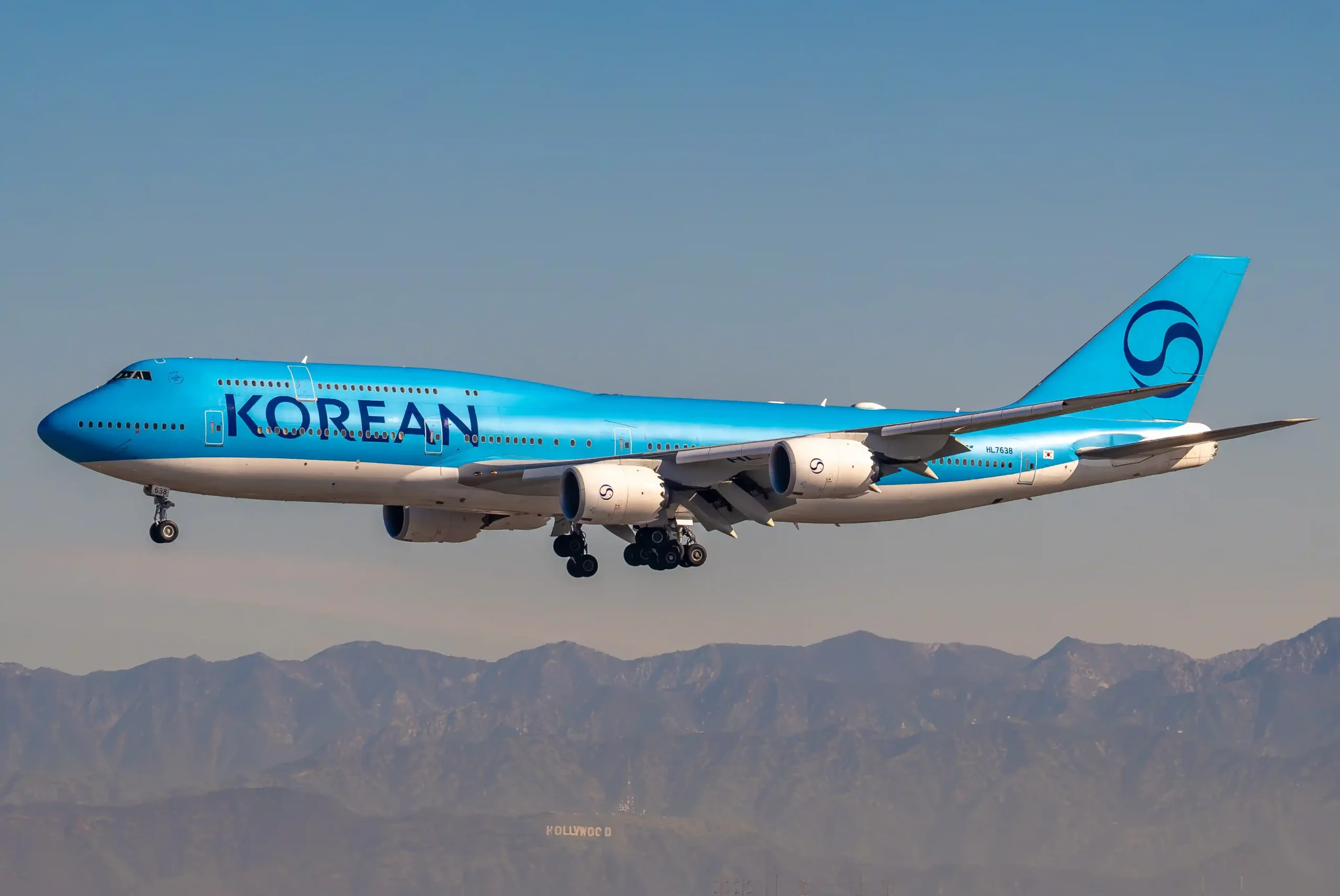
Boeing 747-8 Replaces The 777-300ER
Daniel Fowkes20 Oct 2026
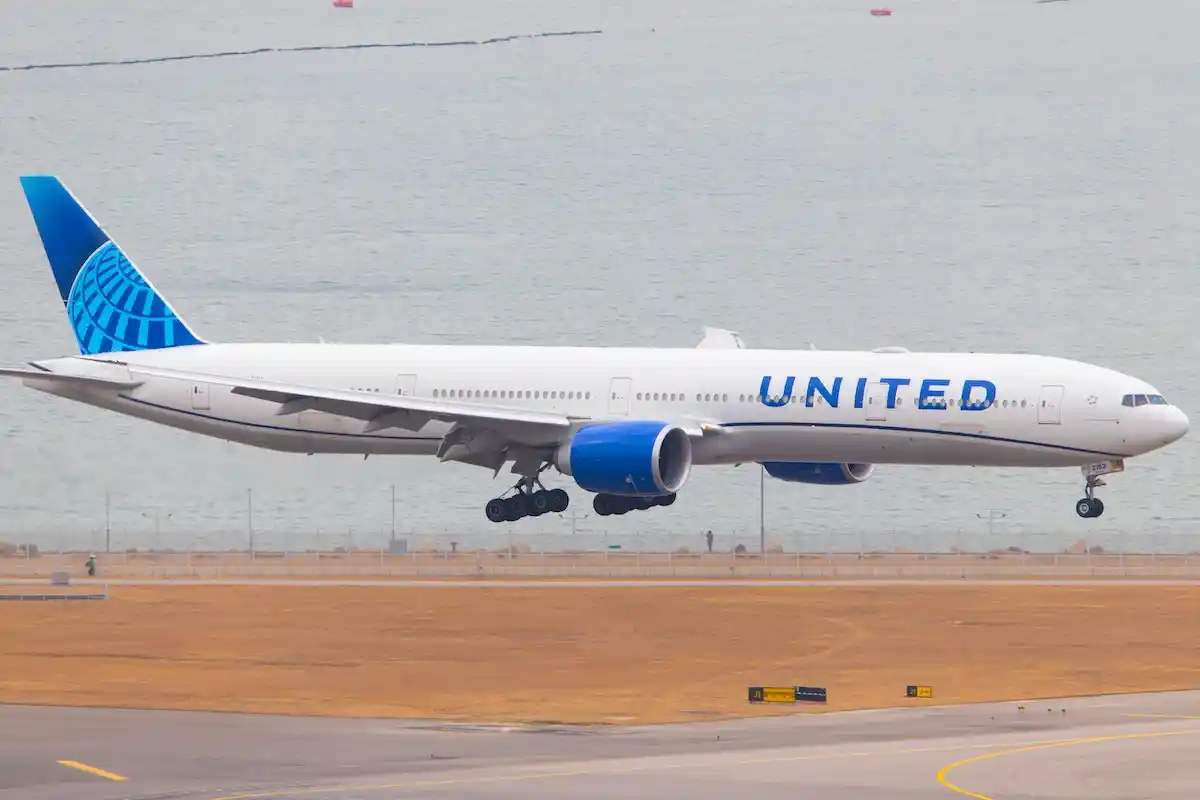
United Airlines Adds Rare Boeing 777-300ER Flights
Daniel Fowkes6 Oct 2026
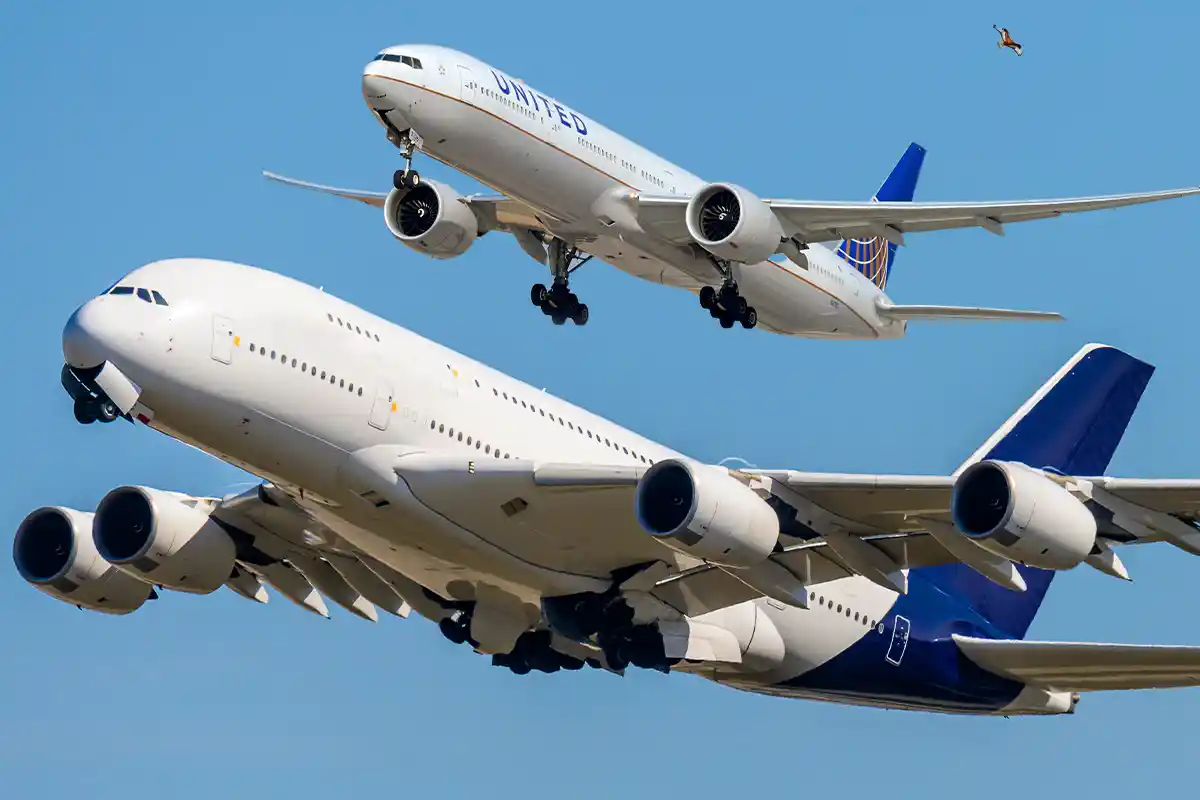
Airbus A380 vs Boeing 777-300ER: Size, Capacity, Range & Comfort Compared
Daniel Fowkes3 Oct 2026
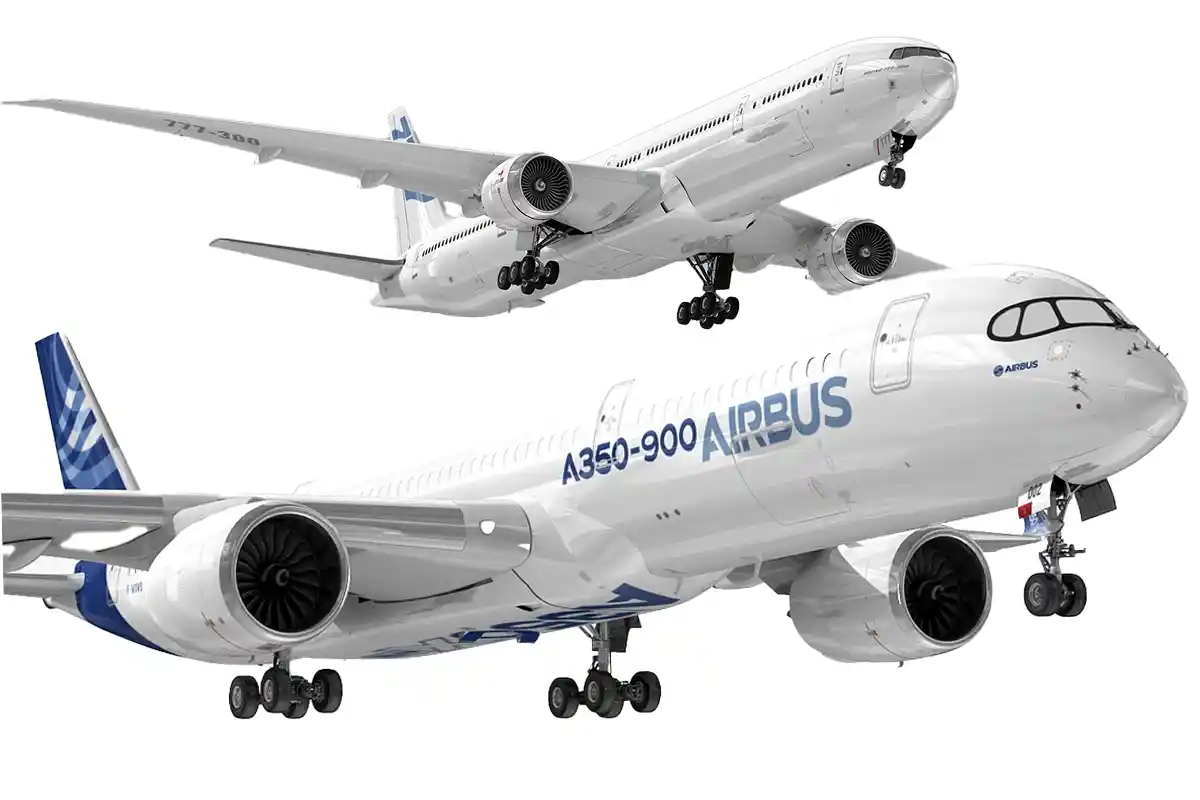
Airbus A350-900 vs Boeing 777-300ER: Which Wide-Body Jet Is Better?
Daniel Fowkes27 Sep 2026
Boeing 777-300ER Quick Facts
ManufacturerBoeing
TypeWide-body twinjet
First flight24 Feb 2003
StatusIn active since 2004
DimensionsL 73.9m (242.45 ft)
W 64.8 m (212.60 ft)
H 18.5 m (60.70 ft)
W 64.8 m (212.60 ft)
H 18.5 m (60.70 ft)
MTOW~351,500 kg (~775,000 lb)
Cruise / RangeM 0.84
7,370 nmi
7,370 nmi
Ceiling43,100 ft
EnginesGE90-115B
Total ordered800+
Customers30+
First delivery29 Apr 2004 (Air France)
Variants
Seat Map
Hover or tap a seat for details
First Class
Economy
Exit Row
Galley / Lav / Doors
56First2-2-2 · 60-in pitch
283Economy3-4-3 · 32-in pitch
339TotalTwo class
Illustrative layout. Exact seating varies by operator and cabin fit.
History & Development
Boeing launched the 777-300ER programme in 2000 as part of a wider next-generation twinjet initiative, with Air France placing the launch order. The 777-300ER made its first flight on 24 February 2003, and the FAA and EASA certified the model on 16 March 2004. The first delivery to Air France took place on 29 April 2004.
The 777-300ER combined the -300’s added capacity with the -200ER’s range, becoming the top-selling 777 variant in the late 2000s as airlines retired four-engine widebodies like the 747 and A340 in favour of more fuel-efficient twinjets. As of March 2016, the 777-300ER had 635 delivered and 800 orders, with Emirates operating the largest 777 fleet, a position it has continued to hold as the aircraft has become the backbone of several major long-haul carriers’ networks.
Cabin: Seating & Configuration
The Boeing 777-300ER retains the wide 777 fuselage cross-section, generally configured nine-abreast in economy (3-3-3), consistent with other 777 variants. Because each airline designs its own cabin, seating totals vary significantly. Typical seating capacity ranges from 314 to 451 passengers, depending on the operator and class mix. Business and first-class cabins also vary widely by carrier, from lie-flat suites to standard recliner seating.
Specifications
The dimensions and weights below are for the standard 777-300ER production specification.
Performance & Range
Range with 365 passengers is quoted at 13,427 km (7,250 nm) in Boeing's original specification, giving the 777-300ER genuine ultra-long-haul capability on routes such as Sydney–Dallas, Auckland–Dubai, and Singapore–New York (historically operated non-stop by some carriers on this type).
Engines & Fuel
The Boeing 777-300ER is exclusively powered by the GE90-115B turbofan engine, the most powerful engine manufactured, and one of the defining features of the type.
Metric
Value
Family Variants
777-200ER
Extended range
The original extended-range twinjet, seating around 301 in three classes. Predecessor to the -300ER.
777-300
High capacity, standard range
The stretched-fuselage variant preceding the -300ER, without the GE90-115B engines or raked wingtips.
777-300ER
Flagship long-range
The primary long-haul workhorse of the family: 73.9 m long, typically seating 300–370+ passengers depending on operator. The best-selling 777 variant.
777-200LR
Ultra-long range
The longest-range 777 Classic variant, developed alongside the -300ER for ultra-long-haul routes.
777F
Freighter
The freighter derivative based on the -200LR/-300ER platform.
In-Seat Amenities & Tech
In-seat amenities vary considerably by operator, ranging from basic seatback screens and USB power on older cabins to fully redesigned suites with Wi-Fi, large 4K entertainment screens, and lie-flat business seating on retrofitted or newer-delivery aircraft. As the aircraft has been in service for two decades, cabin standards differ significantly between an airline’s earliest and most recently refreshed 777-300ER airframes.
Production & Timeline
Boeing assembles the 777-300ER at its Everett facility in Washington, alongside the 777X.
Milestone
Date
2000
24 Feb 2003
16 Mar 2004
29 Apr 2004
Fleet & Operators
The Boeing 777-300ER is one of the most widely operated widebody twinjets in service, flown by major long-haul carriers across every region.
Operator
Role
Notes
Fleet figures vary by year as airlines retire or reconfigure aircraft; figures above reflect general fleet composition rather than exact current counts.
Incidents & Safety
The 777-300ER has an outstanding safety record for a widebody flying since 2004, with the variant itself having recorded no hull losses.
Notable safety events specific to the Boeing 777-300ER include:
The 777 family overall posts an accident rate of roughly 0.12 hull losses per million departures, among the best safety records of any widebody type, and the -300ER’s individual record reinforces its reputation as one of the most dependable long-haul aircraft ever built.
Related News
Aircraft News
Latest Airlines News
Carrier strategy, fleet moves & financial updates
Aircraft News
Latest Aircraft News
Programmes, retrofits & next-gen narrowbodies
Route News
Latest Route Updates
New launches, cuts & network shifts
Freight Orders & Delivery
Latest Freight Orders & Delivery News
Cargo conversions, orders & deliveries