

Air Canada has published its investor overview presentation for the third quarter of 2024 and released updates surrounding its future.
A core focus for the Canadian carrier’s future is its fleet development and renewal efforts. The airline expects many aircraft deliveries in the coming years to facilitate that.
Through strategic investments in wide-body and narrowbody planes, Air Canada expects 90 aircraft to be delivered over the next five years, taking the airline to the turn of the decade.
The 90 aircraft are to be spread alongside Airbus and Boeing planes, with the bulk of new deliveries primarily occurring in the 2026 to 2029 timeframe.
Looking at 2024, the airline is hopeful for 5 MAX deliveries and 2 Airbus A220s. In 2025, there’ll be deliveries of just one 787-9, two 767Fs, seven 737 MAX jets, two A321XLRs marking the first of this type, and nine A220s.
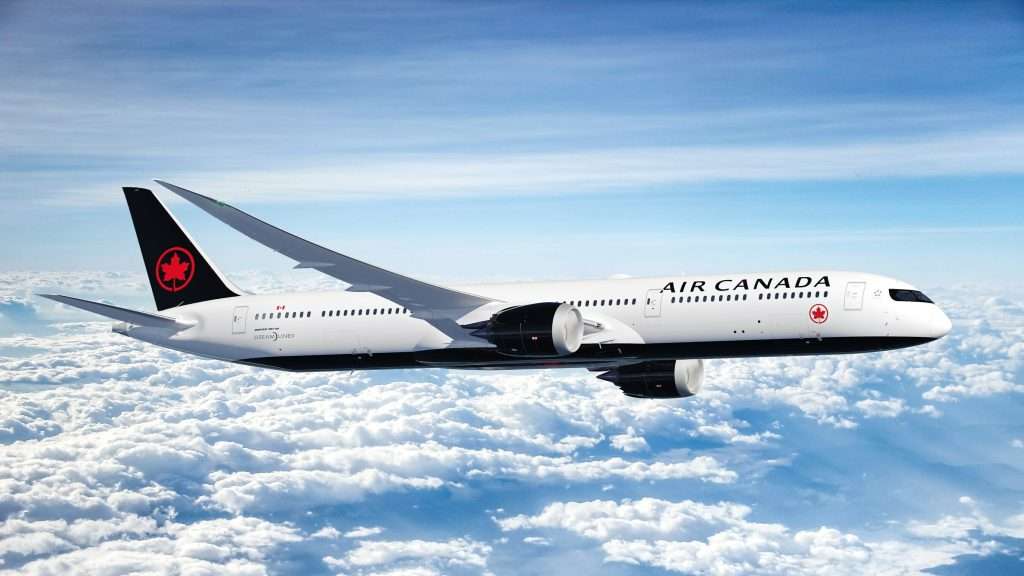
However, major expansion efforts will ramp up from 2026 onwards with the first delivery of the new high-capacity Dreamliner, the 787-10, aiding international fleet growth ambitions. Eighteen units are expected to be delivered across these three years.
Meanwhile, narrowbody fleet growth and renewal efforts are set to increase substantially as the airline will receive more A321XLR jets. This new single-aisle jet aims to redefine what it means to operate with smaller aircraft. Air Canada expects 28 of these to be delivered over three years.
Meanwhile, some 16 Airbus A220s will be delivered between 2026 and 2029. This jet’s efficiency has been a huge positive for the airline as it has developed and is used in various markets.
Air Canada Teases Route Developments
As new aircraft are delivered over the next five years, more capacity will be available for the carrier to pounce on. Thanks to this, new markets will be within reach.
In the investor meeting, the airline highlighted its unique position to meet growth thanks to its three current hubs, which are geographically positioned to serve specific markets.
From Vancouver, which allows for Transpacific crossings to locations across Asia and even as far as Australia, the latest investor notes once more highlight Melbourne as a prospective location.
The flag carrier previously served the city, but it has been missing since the pandemic. Airport executives have looked to push for the airline to return to the city, but the knowledge has long been about the overall availability of aircraft.
Montreal and Toronto are other important strategic hubs, allowing connectivity to a wide array of locations, from African cities to major European locations and even further into the United States and beyond.

ABOUT THE AUTHOR
Daniel Fowkes is a Melbourne-based aviation analyst and journalist with over a decade of industry experience. As founder of Dj’s Aviation, he delivers trusted analysis on aircraft, airline strategy and global aviation trends for djsaviation.net
Leave a Reply
Related Articles

Stay Informed
Get the latest aviation news, analysis and route updates delivered to your inbox.
We respect your privacy. Unsubscribe at any time.
Enjoyed this story?
Make us your go-to for aviation news
Add us as a preferred source on Google and see our latest stories first in Top Stories.
Add Us On Your News Feed
I am surprised and disappointed that there are no A350-900 or even A350-1000 in the upcoming orders! 🙁 This plane has proven to be very fuel efficient and popular plane for long haul routes. I don’t understand the decision of AC to turn to the Dreamliner 787-10 instead. They had a very good opportunity to add some A350 in their fleet and didn’t made that move.
i agreed with his opinion
Maybe they do not need the extra features that the A350-1000 offers?