
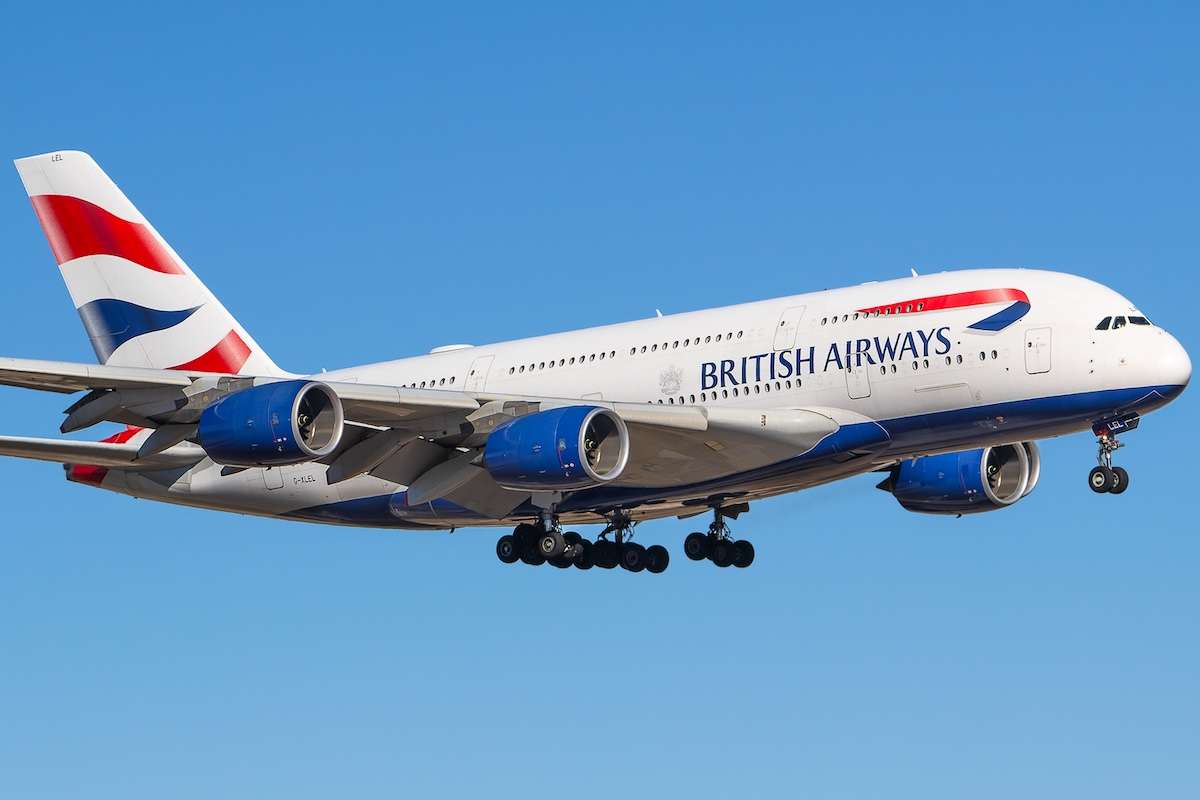
For many aviation professionals, the Airbus A380 still carries a unique kind of prestige. It’s not just another widebody aircraft. It’s the world’s most recognisable superjumbo, a double-deck aircraft associated with long-haul international routes, premium cabins, large crews, complex airport operations, and some of the most experienced pilots in commercial aviation.
In 2026, being an A380 pilot can be financially rewarding, but the full picture is more technical than a single salary figure. A380 pilot pay depends on airline, country, contract, aircraft assignment, seat position, seniority, monthly flying hours, layover patterns, allowances, retirement benefits, and the value of non-cash perks.
A senior A380 captain at a major long-haul airline can earn a very strong income, especially when widebody pay scales, international flying, per diem, housing, schooling, and retirement benefits are included.
However, the role also entails lifestyle demands, including ultra-long-haul schedules, fatigue management, time zone changes, irregular rest cycles, and high operational responsibility.
The Prestige of the Superjumbo: Flying the Airbus A380
The Airbus A380 is one of the most technically significant commercial aircraft ever built. Its scale changes the way pilots think about performance, handling, airport operations, fuel planning, crew coordination, and passenger management. Flying an A380 is not simply about controlling a larger aircraft.
As a result, jumping aboard the A380 in the cockpit requires deep systems knowledge, precision in long-haul operations, and the ability to manage complex flight profiles across major global airports.
For passengers, the A380 is often associated with spacious cabins and premium travel. For pilots, it represents an advanced widebody platform that requires discipline, experience, and constant procedural accuracy.

Taxiing a very large aircraft, managing wake turbulence considerations, operating into slot-constrained hubs, and coordinating with large cabin and ground teams all add to the technical workload.
This prestige is one reason A380 pilots are often viewed as top-tier professionals. However, prestige does not automatically mean unlimited pay. The aircraft may be iconic, but the salary still depends on the airline’s contract and the pilot’s position on the seniority list.
Widebody Compensation: Breaking Down Base Pay and Flying Rates
A380 pilot compensation usually sits within the wider category of long-haul widebody pilot pay. Most airlines do not pay pilots simply for flying an A380. Instead, pilots are paid according to the airline’s pay scale, seat position, aircraft category, years of service, and credited flying hours.
A captain earns significantly more than a first officer because the captain is the pilot-in-command and carries final responsibility for the aircraft, passengers, crew, cargo, fuel decisions, diversions, weather strategy, and safety outcomes. First officers also earn strong salaries, but the largest earnings usually come after reaching the left seat.
In public 2026 salary discussions, senior widebody captains flying A380-category aircraft are often estimated at the high six-figure range when base pay and allowances are combined. However, figures vary widely by airline and region.
A Gulf-based tax-free package can look very different from an Australian or European salary package because housing, schooling, transport, tax treatment, and retirement structures can change the true value of the role.
| A380 Pilot Category | Estimated 2026 Pay Context | What Drives the Number |
| A380 First Officer | Strong six-figure total compensation is possible at major long-haul airlines. | Airline, years of service, flying hours, benefits, allowances, and international route structure. |
| Experienced Widebody First Officer | Can earn more than many narrowbody captains at smaller operators. | Widebody aircraft category, long-haul schedules, overtime, and seniority. |
| A380 Captain | Often among the highest-paid line pilots at airlines that still operate the superjumbo. | Captain status, long-haul route network, aircraft category, contract provisions, and total benefits. |
| Senior A380 Captain | May reach the top end of airline pilot compensation where premium schedules and benefits apply. | Seniority, command time, route bidding, allowances, retirement, and tax treatment. |
The Seniority Factor: How Long to Reach the A380 Left Seat?
Seniority is one of the biggest factors in A380 pilot earnings. A pilot does not usually move directly into an A380 captain seat early in their career. Most pilots build experience through smaller aircraft, regional operations, narrowbody fleets, or other widebody platforms before reaching a senior long-haul role.
At many airlines, the A380 is a senior aircraft because it is used on major international routes and requires experienced flight crews. This means pilots may need years of airline experience before they are eligible to bid for A380 operations. The exact timeline depends on airline growth, retirements, fleet planning, contract rules, and whether the carrier is expanding or reducing its A380 network.

The left seat is especially important because the captain upgrade creates the largest salary jump. A senior first officer can earn well, but a captain on a high-value widebody fleet usually has greater earning potential. The trade-off is that reaching that seat can take time, and pilots must maintain training standards, medical fitness, and operational performance throughout the journey.
Operational Challenges: Ultra-Long-Haul and Fatigue Management
A380 flights are often associated with long-haul and ultra-long-haul routes. These schedules can be financially attractive, but they are also demanding. Pilots may cross multiple time zones, operate overnight sectors, manage controlled rest periods, and deal with disrupted sleep patterns.
Fatigue management is a technical part of the job. A380 pilots must understand rest rules, crew augmentation, circadian rhythm disruption, and the human factors that affect decision-making during long sectors. A high salary is partly compensation for this level of responsibility and lifestyle adjustment.
This is why the A380 role is not only about prestige. It requires pilots who can perform consistently during complex long-haul operations. The cockpit workload may be highly automated in many phases of flight, but the responsibility remains significant, especially during weather events, diversions, technical issues, and busy international arrivals.
Training and Currency: Mastering the Technical Specs of the Giant
To fly the A380, pilots must complete airline-specific training and an Airbus A380 type rating or approved fleet training pathway. Type rating training typically includes ground school, aircraft systems, simulator sessions, emergency procedures, normal and abnormal operations, and a final skills test or check.
After qualification, pilots must remain current through recurrent training, line checks, simulator assessments, medical certification, and route or airport-specific requirements. Because the A380 is a specialised aircraft, airlines place strong emphasis on procedural discipline and systems knowledge.
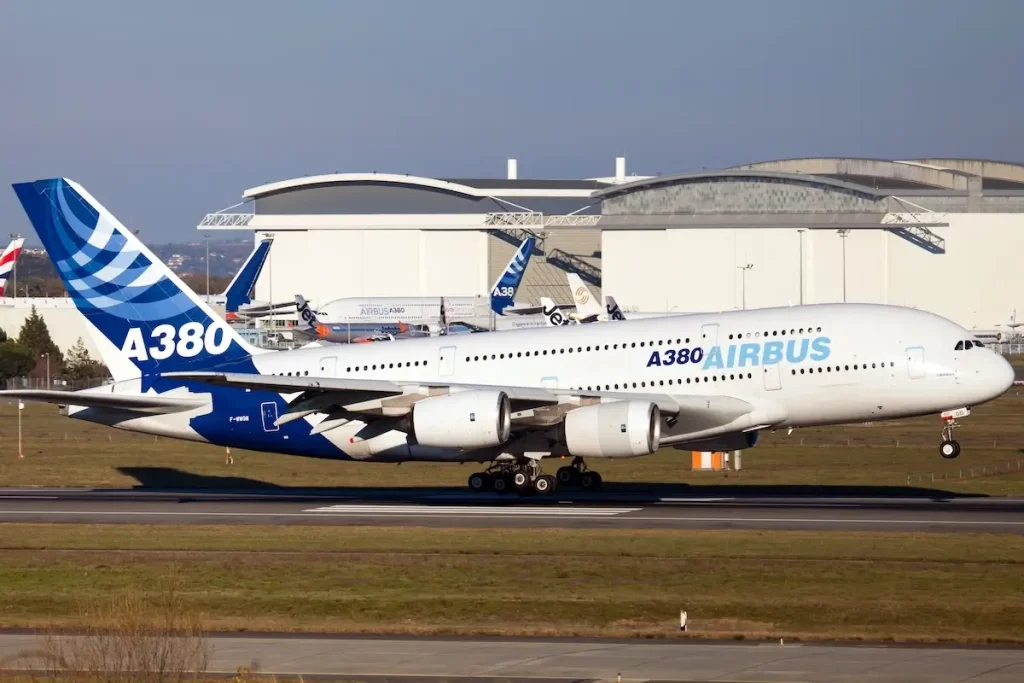
This training burden adds value to the role. A380 pilots are not paid only for the hours they fly. They are compensated for the level of qualification, decision-making, regulatory compliance, and recurrent proficiency required to operate one of the world’s largest passenger aircraft.
Benefit Packages: Per Diems and High-Value Expat Contracts
For A380 pilots, the benefits package can sometimes matter as much as base salary. Airlines in the Middle East, for example, may offer tax-free income structures, housing, transport support, medical coverage, schooling assistance, annual leave tickets, and retirement or provident fund contributions. These benefits can materially increase the contract’s real value.
At airlines such as Emirates, pilot recruitment pages highlight tax-free salary packages, travel benefits, provident fund contributions, and family-related benefits. For pilots with spouses or children, housing and schooling support can make a major difference to net savings.
In other markets, such as Australia or Europe, pay may be structured differently. A pilot may receive a strong salary but face income tax, different retirement arrangements, and different cost-of-living pressures. This is why comparing A380 pilot salaries across countries requires looking at net income, not only headline salary.
A380 Pilot Salary by Airline Type
A380 pilot earnings are shaped by the type of airline operating the aircraft. Gulf carriers may offer strong total packages with expat benefits. Australian operators may provide long-haul widebody career pathways within a unionised employment framework. Asian and European operators may have their own contractual structures, tax rules, and fleet-specific bidding systems.
A pilot choosing an A380 career should compare more than the monthly salary. The better comparison includes aircraft type, upgrade timeline, base location, layover pattern, tax treatment, benefits, family support, retirement contributions, and long-term fleet outlook. A higher headline salary may not always lead to a better lifestyle or savings outcome if costs, taxes, or schedule demands are higher.
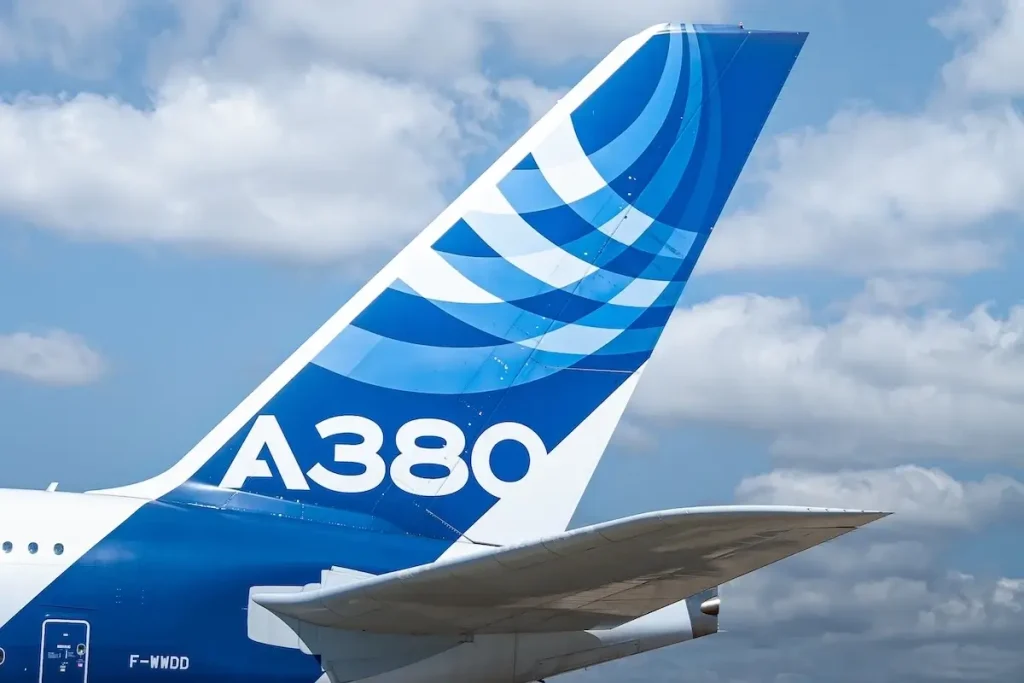
The A380 is also a limited fleet aircraft. Unlike the A320 or Boeing 737, there are fewer A380 operators and fewer total aircraft in service. That can make the A380 experience prestigious, but it can also make career flexibility more dependent on a smaller group of airlines.
| Comparison Area | Why It Matters for A380 Pilots | Salary Impact |
| Seat Position | Captains carry command responsibility, while first officers support flight operations. | Captain upgrade is usually the largest pay jump. |
| Seniority | Controls aircraft bidding, schedule quality, leave, and route preference. | Higher seniority can unlock better schedules and more valuable assignments. |
| Base Location | Dubai, Doha, London, Singapore, Sydney, and other hubs have different living costs. | Net savings depend heavily on housing, tax, and family support. |
| Fleet Outlook | A380 fleets are smaller and more specialised than narrowbody fleets. | Career options can be excellent but less flexible than common aircraft types. |
| Benefits Package | Housing, schooling, medical, and retirement benefits can add major value. | Total compensation may exceed base salary by a wide margin. |
Final Verdict: Does the A380 Paycheck Justify the Lifestyle Demands?
Being an A380 pilot can be lucrative, especially for senior captains at major long-haul airlines. The aircraft carries prestige, the routes are global, and the compensation can be among the strongest in commercial aviation when salary, allowances, retirement, and expat benefits are considered.
However, the A380 paycheck must be weighed against the lifestyle. Ultra-long-haul flying can mean nights away from home, jet lag, irregular sleep, medical discipline, constant recurrent training, and pressure to perform at a high technical level.
The role suits pilots who want the prestige and financial potential of widebody international flying and who can manage the demands that come with it.
The final answer is that A380 operations can absolutely be financially worthwhile, but they are not a shortcut. The biggest drivers of long-term earnings remain seniority, command upgrade timing, airline choice, contract structure, benefits, and personal tolerance for the demands of a long-haul lifestyle.

ABOUT THE AUTHOR
Daniel Fowkes is a Melbourne-based aviation analyst and journalist with over a decade of industry experience. As founder of Dj’s Aviation, he delivers trusted analysis on aircraft, airline strategy and global aviation trends for djsaviation.net
Leave a Reply
Related Articles



Stay Informed
Get the latest aviation news, analysis and route updates delivered to your inbox.
We respect your privacy. Unsubscribe at any time.
Enjoyed this story?
Make us your go-to for aviation news
Add us as a preferred source on Google and see our latest stories first in Top Stories.
Add Us On Your News FeedRelated articles
· Airlines
· Airbus A380
Would The Airbus A380 Work In India?
Bryan Shelmon
24/09/2026
· Aircraft
· Airbus
· Airlines
Airbus’ Forgotten A350-800 Order
Bryan Shelmon
24/09/2026
· Aircraft
· Airbus
· Routes
Airbus A321XLR Route Map: How One Jet Opens Thin Long-Haul Market
Bryan Shelmon
23/09/2026
· Analysis
· Airbus
· Aircraft
· Boeing
Airbus A350-1000 vs Boeing 777-9: The Next-Gen Widebody Matchup
Bryan Shelmon
22/09/2026
Aviation is a profession where compensation is closely linked to experience, qualifications, and operational responsibilities. Beyond salary, long-term career development depends on continuous learning, professionalism, and a commitment to maintaining the highest safety standards