
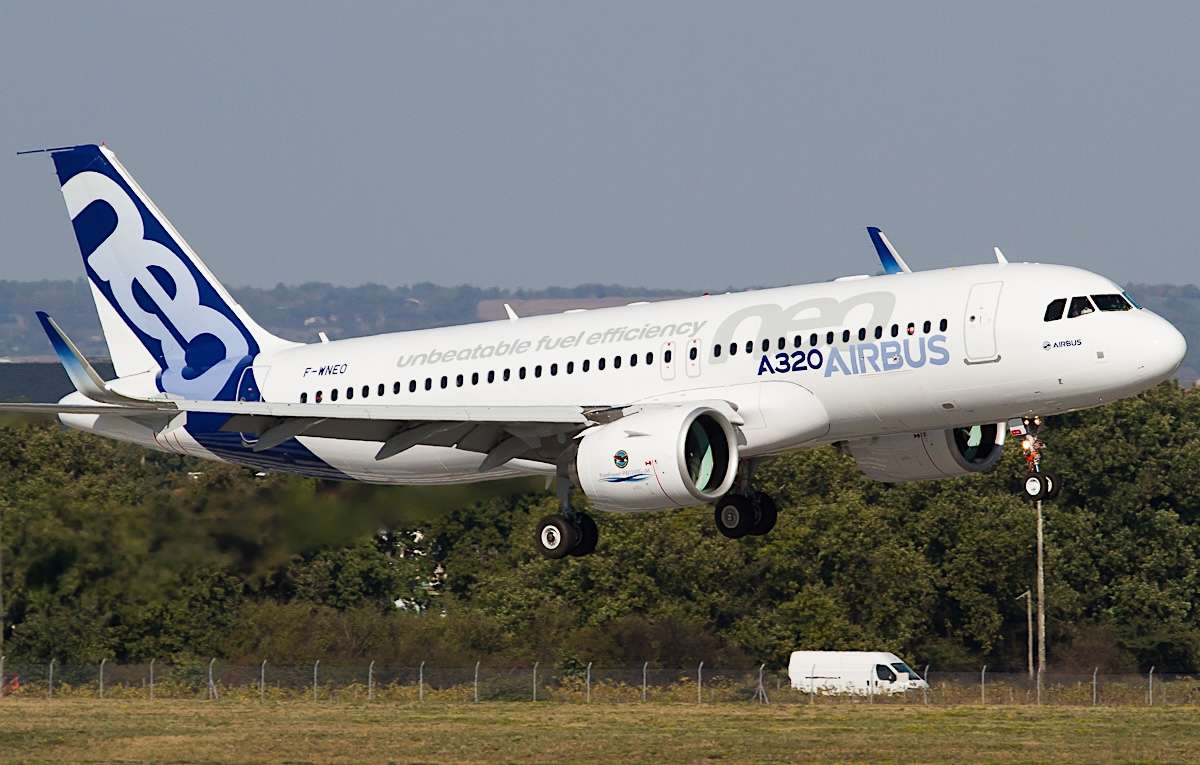
Yet again, relations between Airbus and China appear to have taken a turn for the worse, with China slowing deliveries of new planes.
The not-outright-rejection, but rather the rejection of deliveries based on initial terms, has been ongoing for several months, as Bloomberg has flagged. In essence, the Civil Aviation Administration of China (CAAC) has delayed approval for the jet to enter the region and thus to enter service.
According to those involved in the matter, this is another step back in relations between the West and China, in what remains a sensitive relationship but ultimately one of great importance.
Breaking Down What’s Happening
The slowdown is not driven this time by technical problems identified on the aircraft by Chinese regulators, which means the jets are not ready for delivery. This is rather a decision that’s calculated with the heart of the move, political gain.
The Chinese regulator and its broader adminsitration are delaying these Airbus planes on an ongoing basis to show just how impatient it is with European regulators over the certification of its own COMAC jets, specifically the C919, which is viewed as the answer to the A320neo and 737 MAX families.
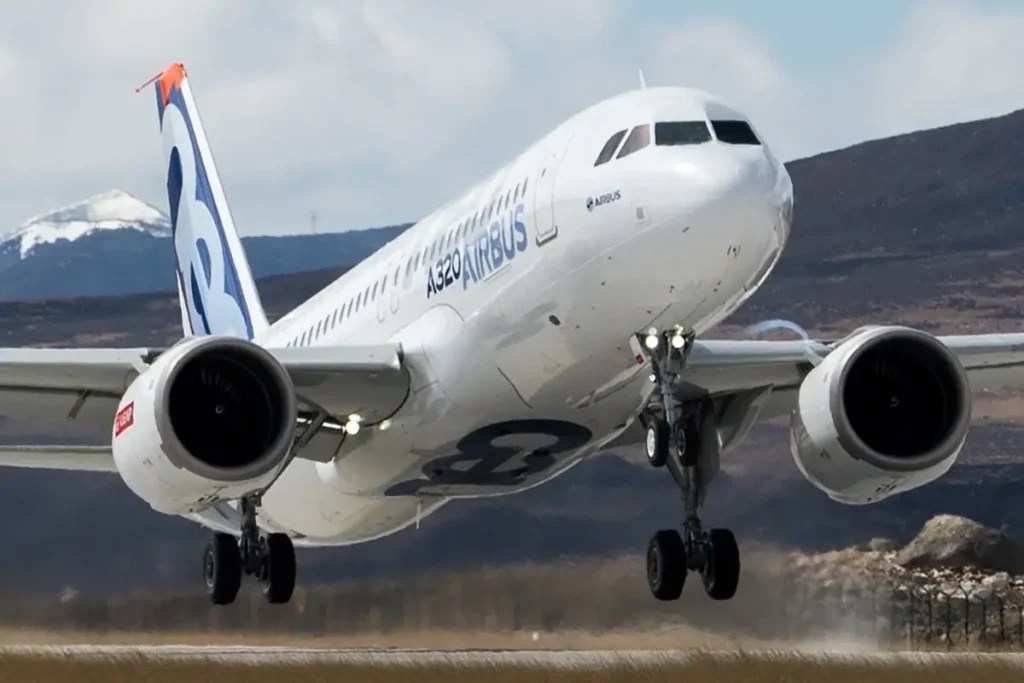
In this retaliation, Chinese operators rejecting their Airbus planes and stalling deliveries are seen as putting pressure on the EASA to approve China’s aircraft, so that COMAC can pitch planes outside its home region and to Western airlines as a solution to ongoing supply chain bottlenecks and sold-out inventories deep into the 2030s.
The result has been simple, a collapse, but a calculated one of deliveries to China by Airbus, a colossal drop during the first five months of the year to barely hitting double digits, when for the same period one year prior, that figure was closer to 50.
COMAC Really At The Centre Of This
While relations between China and the West are never entirely stable, the reasoning behind China’s slowed delivery and rejection of previously outlined contractual terms has now, more than ever, piqued analysts’ interest, because it’s about more than just tensions over a product or trade ties.
For China, this really centres on COMAC and the C919 more than anything else. This is the flagship product that COMAC is pitching to the world, a means to break the Airbus and Boeing duopoly. However, this aircraft lacks certification. While the EASA had been said to be progressing with this, an approval is yet to come.
COMAC has tried to pitch the aircraft to the likes of Ryanair, but has not seen anything materialise. Ultimately, without certification, it won’t break the duopoly held by the long-established Airbus and Boeing. This, even if analysts hold the view that, irrespective of certification, this is a planemaker that comes with too many associated risks to see widespread adoption in the West.

China, however, wants these planes certified, and for that to happen, it needs the processes sped up. What it’s now resorting to is delayed long-scheduled Airbus deliveries, effectively using them as ammunition to get what it wants.
The delay of these Airbus planes is seen as a means to pressure Europe into approving the C919 as a form of economic pressure. However, while a means to try to get what they wish, the ramifications of this contactually and the ties between the pair could take a further nosedive after they just seemed to be on the improve, with new contracts announced earlier in the year for 100+ A320neo family jets on a repeat basis.

ABOUT THE AUTHOR
Daniel Fowkes is a Melbourne-based aviation analyst and journalist with over a decade of industry experience. As founder of Dj’s Aviation, he delivers trusted analysis on aircraft, airline strategy and global aviation trends for djsaviation.net
Related Articles




Stay Informed
Get the latest aviation news, analysis and route updates delivered to your inbox.
We respect your privacy. Unsubscribe at any time.
Enjoyed this story?
Make us your go-to for aviation news
Add us as a preferred source on Google and see our latest stories first in Top Stories.
Add Us On Your News FeedRelated articles
· Airlines
· Airbus A380
Would The Airbus A380 Work In India?
Bryan Shelmon
24/09/2026
· Aircraft
· Airbus
· Airlines
Airbus’ Forgotten A350-800 Order
Bryan Shelmon
24/09/2026
· Aircraft
· Airbus
· Routes
Airbus A321XLR Route Map: How One Jet Opens Thin Long-Haul Market
Bryan Shelmon
23/09/2026
· Analysis
· Airbus
· Aircraft
· Boeing
Airbus A350-1000 vs Boeing 777-9: The Next-Gen Widebody Matchup
Bryan Shelmon
22/09/2026