
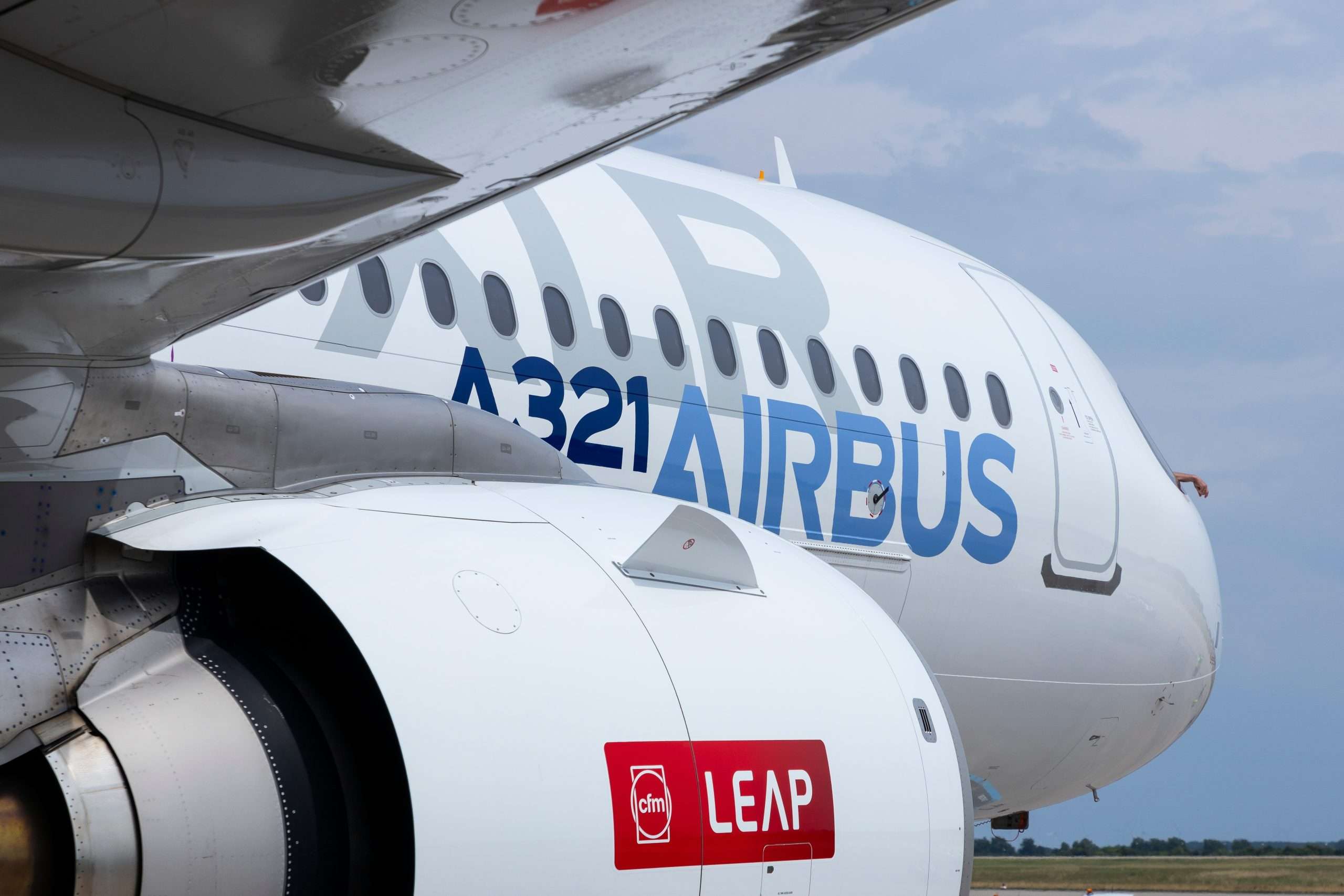
Airbus is intensifying its standoff with U.S. engine maker Pratt & Whitney by pursuing damages over chronic engine delivery delays.
The Geared Turbofan (GTF), crucial to powering many of the plane makers’ most popular jets, has been front and centre of the crises for years now, not just impacting the manufacturer itself but also the many airlines relying on the engines for the reliability of their own operations.
Sources familiar with the matter told Reuters exclusively that the European aircraft maker views Pratt & Whitney’s failures as a crucial breach of the contractual commitments previously laid out.
With unfinished Airbus A320neo family jets and more undelivered at assembly lines, these latest comments and the pursuit of action represent another escalation in a formal legal process after months of warnings from executives at the business.
Airbus says directly that the RTX unit has backed away from several engines that were allocated to its key jet factories following more acquisitions, thereby causing a shortfall in a recent output target cut.
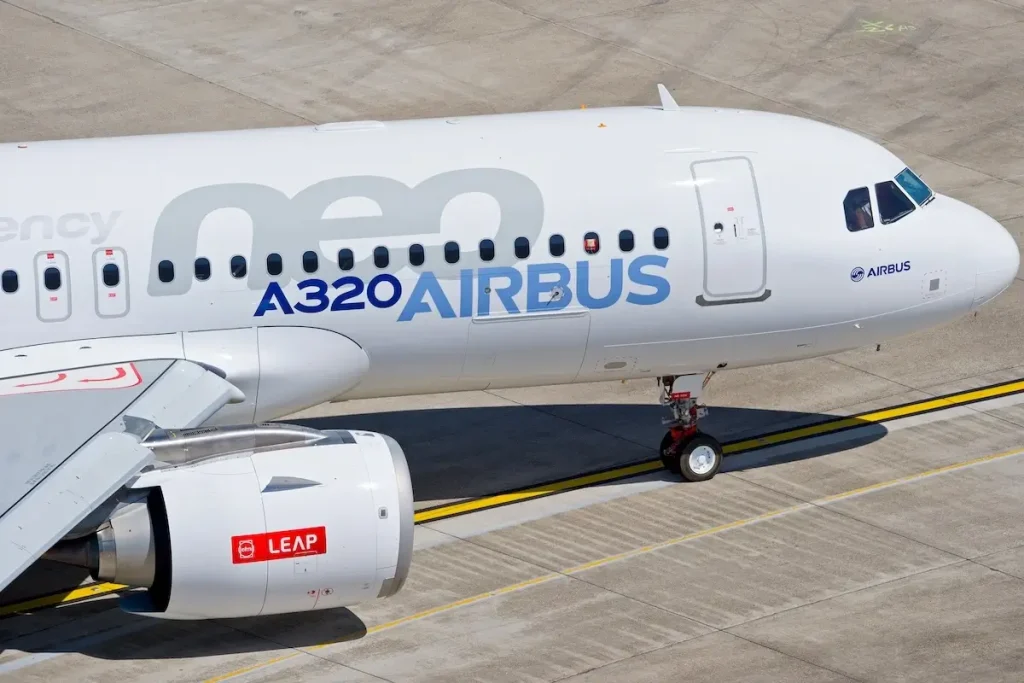
While Pratt & Whitney says it’s actively working with the plane maker to ease tensions and reduce pressure on aircraft and engine production, frustrations among plane manufacturers are beginning to boil over as 2026 progresses.
For Guillaume Faury, the Airbus CEO, the situation is reaching a boiling point as no resolution arrives and the clock ticks toward legal action and associated damages, which have hit the business in recent years and are piling up.
Root Causes Of Airbus’ Frustrations
The core issue for Airbus stems from the Pratt & Whitney PW1100 GTF engines, which power almost half of the manufacturer’s crucial A320neo aircraft, the best-selling family in the aviation industry.
A 2023 manufacturing defect involving contaminated powdered metal ions in engines produced from late 2015 through Q3 2021 triggered a massive recall, unlike anything seen before in the industry.
The result was the prompt grounding of hundreds of planes for important inspections, including, at times, lengthy repairs where required, in essence creating a dual crisis.
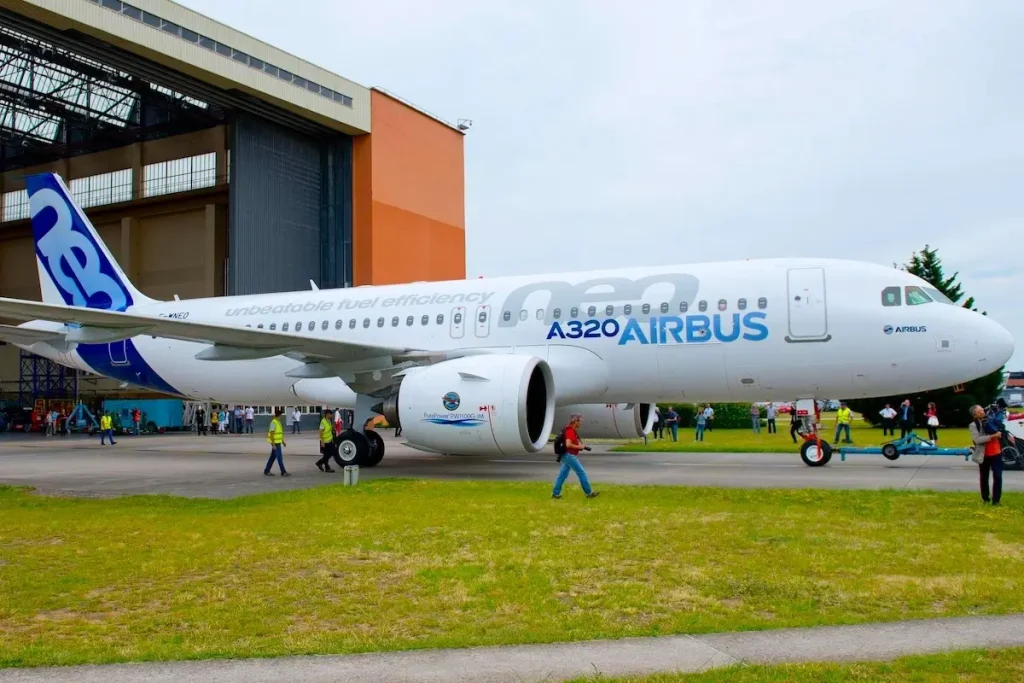
Not only were the likes of Airbus battling another supply chain complexity that then further complicated their ability to produce planes and meet growing demand and a strong backlog, but airlines were also experiencing their own struggles with planes on the ground, impacting capacity, and new deliveries were delayed.
Pratt & Whitney had promised recovery but delivered only a slight uptick through 2025, prompting Airbus to express its frustrations on more than one occasion, with its executives at times accusing the engine maker of poor planning, allocation, and of placing repairs over new builds in the priority queue.
Airbus Hurts From The Crisis
For Airbus, the crisis has hurt them; production has stalled and not advanced at the rates it would’ve liked with gliders. In essence, completed airframes awaiting engines were piling up, and, having only recently reached managable levels, this persistent theme made life difficult.
Airbus additionally slashed its A320neo ramp-up targets, forced to push back the target timeframe for the crucial 75 jets per month, as it directly ties this to GTF shortages and an inability to reach the rate intended to make this possible.

In 2026, the delivery goal stands at 870. While all aircraft types are important, the A320neo family with the GTF is crucial to reaching this annual figure; without stability here, there’ll be no chance of meeting the yearly target, as evidenced over the last handful.
For Airbus’ customers, this trickles down into a plethora of impacts. For one, the business is unable to commit to on-time deliveries, which affects replacement efforts and renewals with its customers, and, while not a consequence of the manufacturer, it can also lead to frustrations boiling over in relationships.

ABOUT THE AUTHOR
Daniel Fowkes is a Melbourne-based aviation analyst and journalist with over a decade of industry experience. As founder of Dj’s Aviation, he delivers trusted analysis on aircraft, airline strategy and global aviation trends for djsaviation.net
Related Articles




Stay Informed
Get the latest aviation news, analysis and route updates delivered to your inbox.
We respect your privacy. Unsubscribe at any time.
Enjoyed this story?
Make us your go-to for aviation news
Add us as a preferred source on Google and see our latest stories first in Top Stories.
Add Us On Your News FeedRelated articles
· Airlines
· Airbus A380
Would The Airbus A380 Work In India?
Bryan Shelmon
24/09/2026
· Aircraft
· Airbus
· Airlines
Airbus’ Forgotten A350-800 Order
Bryan Shelmon
24/09/2026
· Aircraft
· Airbus
· Routes
Airbus A321XLR Route Map: How One Jet Opens Thin Long-Haul Market
Bryan Shelmon
23/09/2026
· Analysis
· Airbus
· Aircraft
· Boeing
Airbus A350-1000 vs Boeing 777-9: The Next-Gen Widebody Matchup
Bryan Shelmon
22/09/2026