

The A350 now acts as the flagship aircraft for European manufacturer Airbus.
While the aircraft family has been adopted worldwide, its run hasn’t been seamless, and now, in 2025, the type has emerged in headlines for its struggles.
So, what is the status of the Airbus A350 moving into the mid-2020s?
Supply Chain Problems
One of the industry’s most significant battles is supply chains. From airlines to aircraft manufacturers, these supply chains have been shattered, and keeping up with demand has become problematic.
Airbus had planned to continue increasing output rates to meet demand for the aircraft series. The increase in production would also improve finances and overall performance.
However, this will not be possible due to the complexities of supply chains. Airbus has stated that its production rates will likely remain around six per month throughout 2025.
Despite these supply chain complications, the planemaker believes it still should be able to work through its backlog and has long-term goals of achieving 12 units per month by 2028.

Supply chains encompass many elements that are crucial to the production and delivery of aircraft. Therefore, the widebody remains one of the many planes in the commercial airplanes division of this business impact.
Basic requirements such as delayed delivery seats impact the ability to produce planes and ship off the final product to airlines.
On a more severe scale, Airbus has noted several times that fuselage parts have been delivered late from Spirit AeroSystems. While this affects the aircraft in production, it also has a knock-on effect on other upcoming units that need to enter production halls.
A350 Freighter Delayed
In the last week, Airbus also confirmed that its upcoming A350 Freighter will be delayed another year, with an expected launch in 2027.
Airbus previously outlined 2026 as the expected first delivery of the A350F and even targeted a first flight sometime in the backend of 2025.
However, this has been deemed impossible as Airbus faces supply chain constraints and other challenges in moving ahead with the production and certification of this game-changing freighter.
The A350F has already amassed over 50 orders, the planemaker confirming this figure is now at 63, and many more customers are currently weighing up their options and whether the A350-1000F, as it has been designated, will be the desired choice.
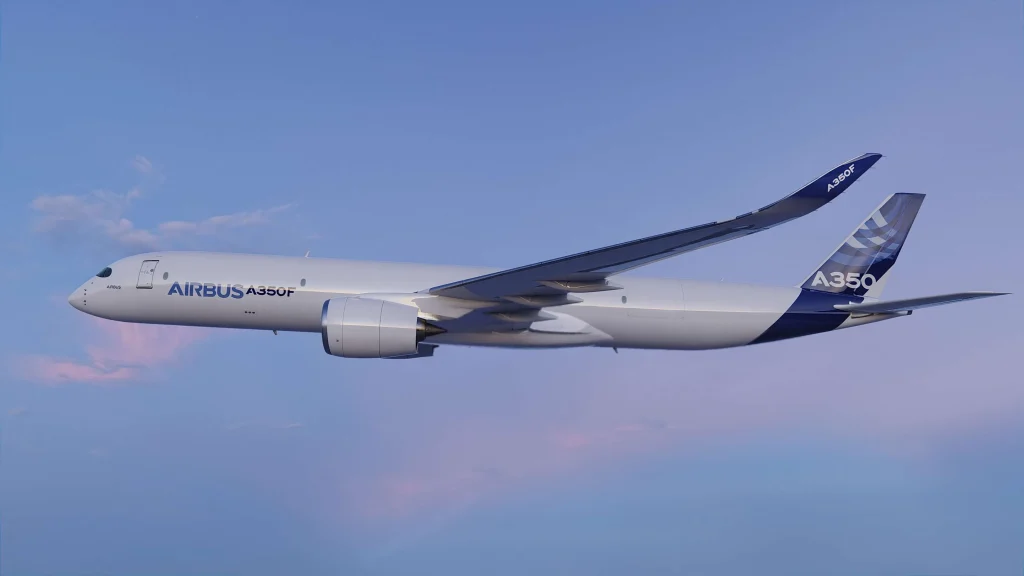
Popular companies like Emirates are debating whether the A350-1000F or upcoming competitor aircraft in the 777-8F from American planemaker Boeing will be the better option.
If Airbus could win over Emirates and its SkyCargo division, this would be significant for the planemaker as it continues to pursue valuable market share from Boeing.
However, fresh delays to the A350F aren’t a shock. Unfortunately, certifying and producing aircraft are not what they once were.
While it’s always been common for delays to arrive for new endeavours, those delays have increased tenfold, and supply chains, with their continued problems, don’t make anything easier.
Looking Ahead At Airbus
It’s not all doom and gloom for Airbus and the widebody program. There are still exciting projects to come.
Take the A350-1000ULR, for example. As the name suggests, this high-capacity jet develops on what many airlines already know and love about the A350-1000 but adds one crucial element: range.
That range will make flying between specific city pairings possible, which was not deemed feasible in the past with an efficient aircraft.
The debut of the A350-1000ULR is also expected in the coming years, permitting no further delays. It is being specially built for Australian flag carrier Qantas.
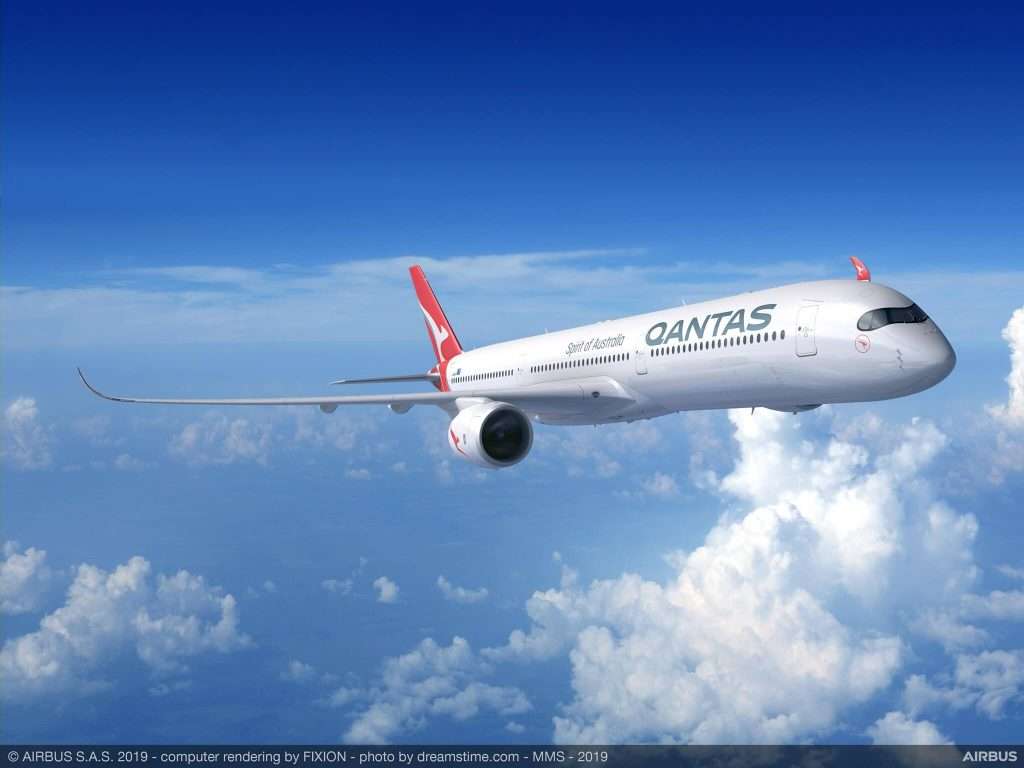
Qantas’ Project Sunrise initiative aims to connect Australia to the world on a single flight without a stopover. This means connections like Melbourne to London and Sydney to New York will be possible.
The A350-1000ULR is Airbus’ answer to Qantas’ needs and will launch soon. There will also be more opportunities in the future for further adoption for those airlines seeking ultra-long-haul travel.
While the planemaker has delayed the A350 Freighter, and supply chains continue to hurt the program, this endeavour is exciting.
The A350F is considered to be the planemaker’s first attempt to enter the freighter market with an actual next-generation aircraft.
If all goes according to plan, this freighter will pose a real challenge to Boeing’s upcoming 777-8F, which is expected to enter service later this decade.

ABOUT THE AUTHOR
Daniel Fowkes is a Melbourne-based aviation analyst and journalist with over a decade of industry experience. As founder of Dj’s Aviation, he delivers trusted analysis on aircraft, airline strategy and global aviation trends for djsaviation.net
Leave a Reply
Related Articles



Stay Informed
Get the latest aviation news, analysis and route updates delivered to your inbox.
We respect your privacy. Unsubscribe at any time.
Enjoyed this story?
Make us your go-to for aviation news
Add us as a preferred source on Google and see our latest stories first in Top Stories.
Add Us On Your News Feed
Will be interesting to see what role the engines will play in any success and additional challenges. Given the last 20 years of durability and support levels among engine manufacturers, the A350 has real risk of a utilization disadvantage and the risk of additional costs and operational burden can’t be ignored. Add in Europe’s carbon fee schema and the analysis becomes even more interesting.
Delays are usual in this sector as every aspect needs to be ascertained before giving the final product. Compared to Boeing, Airbus is doing better in delivering air crafts.
I have flow many times the Airbus a350 and it is a fantastic aircraft very hard to beat. And the interior of the plane for example with Cathay Pacific is outstanding.
I’m sorry but your analysis is incorrect. The A350 in itself does not have a problem. The aviation industry IS the one that’s having problems brought about by supply chain issues. It is a widely-known problem that is not specific to Airbus only but impacting the entire industry, something which hasn’t recovered fully since the Covid pandemic.
Go Airbus
Far more comfortable than Boeing, at least in business class.
My preferred choice