

In the 2000s, Airbus was desperately attempting to find ways to bring its A380 program back to life amid depleting interest.
One of those endeavours was a stretch of the A380-800, known as the A380 Stretch, aimed at increasing passenger capacity.
In an era where airlines favoured efficiency, what was this jet? Did it stand a chance at getting launched, and what happened to it?
What Was The A380 Stretch?
As the name suggests, the Airbus A380 Stretch was to be a stretch of the existing A380-800 model, a bid by the planemaker to increase interest in the jet.
In fact, the A380 Stretch was one of the very first proposals to enhance the A380-800, often dubbed the A380-900. Its origins date back to 2005.
Thanks to available documents dating back some two decades, there were inklings that airports could be developed to meet a stretch which would therefore be larger than the A380-800.

Airbus had already been forced to work intensively with airports around the planning for the A380, with its sheer scale meaning facilities from taxiways to inside airports needed overhauling.
If executed, there were very real hopes that the A380 Stretch would be able to seat some 1,000 passengers if executed in an all-economy configuration, a bold move that would be a jump on the initial model.
Talk on the A380-900, as it was dubbed, would go quiet, though, as Airbus put the majority of its focus on the launch of its original version, the -800, in a bid to get this to market and please airline customers who were awaiting the type.
Did It Really Stand A Chance?
While Airbus seemingly put the stretch on the back burner as it focused on the initial model that was to be released, that didn’t mean the A380 Stretch faded away completely.
In fact, the proposed jet continued to appear through the early to mid stages of the 2010s, where there were discussions that an A380 Stretch could be a very real possibility for a launch in the 2020s.
But, did the aircraft stand a chance? While there was more interest in the 2000s for what a higher capacity model could offer as travel was booming, by the time the 2010s came around, demand for the world’s largest passenger plane had weakened.

The 2010s would really be known as a period where Airbus attempted to counter the glaringly obvious move from airline customers towards twin-engine and thus vastly more efficient planes, with new studies being explored.
The A380 Stretch was one of them, but with dwindling interest in the A380-800, which saw its backlog only reduce with limited appeal for further orders, quad-engined superjumbos were quickly seeing their sunset approach.
Despite this, even in 2012 and 2014, Airbus executives said there was potential for a stretch to be launched, and this type of model held a lot of possibilities for airlines serving high-demand markets, with global air travel only expected to rise.
However, for many airlines, the sheer scale of the A380-800 was already too big and too expensive to operate. Finding profitable routes for the average company was a challenge, and the model was relegated to a niche category.
Therefore, further stretching the A380-800 would’ve ruled out even more airlines, which already hadn’t ruled themselves out because of a desire to move towards a more efficient fleet composition with a greater reliance on twin-engine aircraft.

Ultimately, it seemed unlikely despite comments spanning 10 years, suggesting that an A380 Stretch would make much sense to launch.
Did Airbus Study Anything Else?
While the A380 Stretch may not have been something worth pursuing in the end, that doesn’t mean that Airbus weren’t studying other ways to attract greater market share.
The A380neo remains one of the most talked-about prospective models that Airbus decided against proceeding with, at least still in the mid-2020s.
This variant would leverage the efficiency upgrades through new engines and place them on the A380-800 with other improvements, thereby raising the efficiency tenfold on the program.
Largest customer, Emirates, has repeatedly called for an A380neo, its interest dating back to the same period where the A380 Stretch was also a possibility. However, unlike other airlines, the interest from the Dubai-based carrier remains today.
Unfortunately, with the A380-800 production coming to a close, the reality of an A380neo launching remains unlikely, as almost every airline has now moved on to other aircraft that can advance their long-haul flying further in a more efficient manner.
While Airbus did not answer calls from its largest A380 customer for a new engine option, it did move ahead with a development study known as the A380plus, which was seen as a last-ditch attempt to breathe new life into the program.
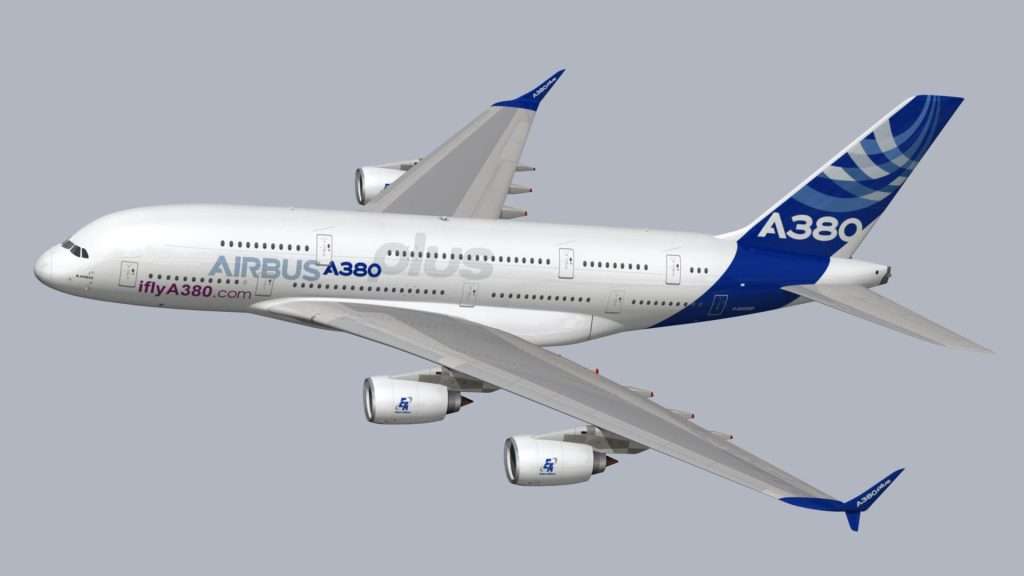
Unfortunately, despite having some noticeable improvements on the A380-800, the model fundamentally did not address the key requirements from Emirates, which were the only real airline championing hard for a new variant to be released.
As a result, yes, Airbus did study other options around developing the world’s largest passenger plane and addressing customers’ requests. Still, by that point, the program seemingly had lost its spot in the limelight.
What Happened?
Ultimately, the A380 Stretch was never released; interest in the jet was never quite at the levels required to proceed. Additionally, Airbus had priorities elsewhere.
To this day, just the one variant in the program has been released, known as the A380-800, and additionally, production on the series concluded many years ago.

The global fleet of A380 will now only continue reducing as airlines opt against retaining the jet, instead focusing on streamlining and developing their twin-engine fleet to cover more long-haul markets.
Carriers like Emirates, British Airways and Qantas intend to fly their A380 into the 2030s. For the Dubai-based carrier into the 2040s, but with no dedicated replacement being offered, those lovers of the jet must find other ways to replace the quad-engined beast.

ABOUT THE AUTHOR
Daniel Fowkes is a Melbourne-based aviation analyst and journalist with over a decade of industry experience. As founder of Dj’s Aviation, he delivers trusted analysis on aircraft, airline strategy and global aviation trends for djsaviation.net
Leave a Reply
Related Articles



Stay Informed
Get the latest aviation news, analysis and route updates delivered to your inbox.
We respect your privacy. Unsubscribe at any time.
Enjoyed this story?
Make us your go-to for aviation news
Add us as a preferred source on Google and see our latest stories first in Top Stories.
Add Us On Your News Feed
A380 further stretching is future requirements in current scenario because more people’s are travelling round the globe
The a380 is a first class machine, the obvious options are to stretch it or turn it it o to a twin or prop option.
For me it needs to be stretch or twin..
We have recovered from covid, Emirates will lead this, as they push the hub ideal.
Twin jets are the favoured option, S long as a twin can carry the weight