

The A380plus was an ambitious development study released by Airbus at the 2017 edition of the world-renowned Paris Airshow.
In essence, this widebody aimed to rejuvenate the A380 program, which, by the latter stages of the 2010s, had encountered a substantial lack of interest, leading to a diminishing backlog.
The A380plus aimed to offer minor efficiency upgrades to make the plane a possible upgrade to airlines that already utilised the A380-800 platform but maybe weren’t entirely happy.
But, for being a rejuvenated version of the world’s largest passenger plane, what indeed was it? Why didn’t this aircraft formally launch? Was the decision to cancel it the right decision?
What Was The A380plus?
Revealed in June 2017, the A380plus offered a range of enhancements designed to make the world’s largest passenger plane a more favourable alternative in a market that was becoming increasingly more competitive.
Moreover, at the time, the A380-800 was also rapidly losing market appeal, and as such, Airbus knew it needed to find ways to bring the program back to life because if it did not, the A380 would simply fade away.
Key features included a 4% improvement in fuel efficiency per seat, thanks to aerodynamic modifications such as new winglets and flight systems that would welcome new technologies not present in the predecessor.
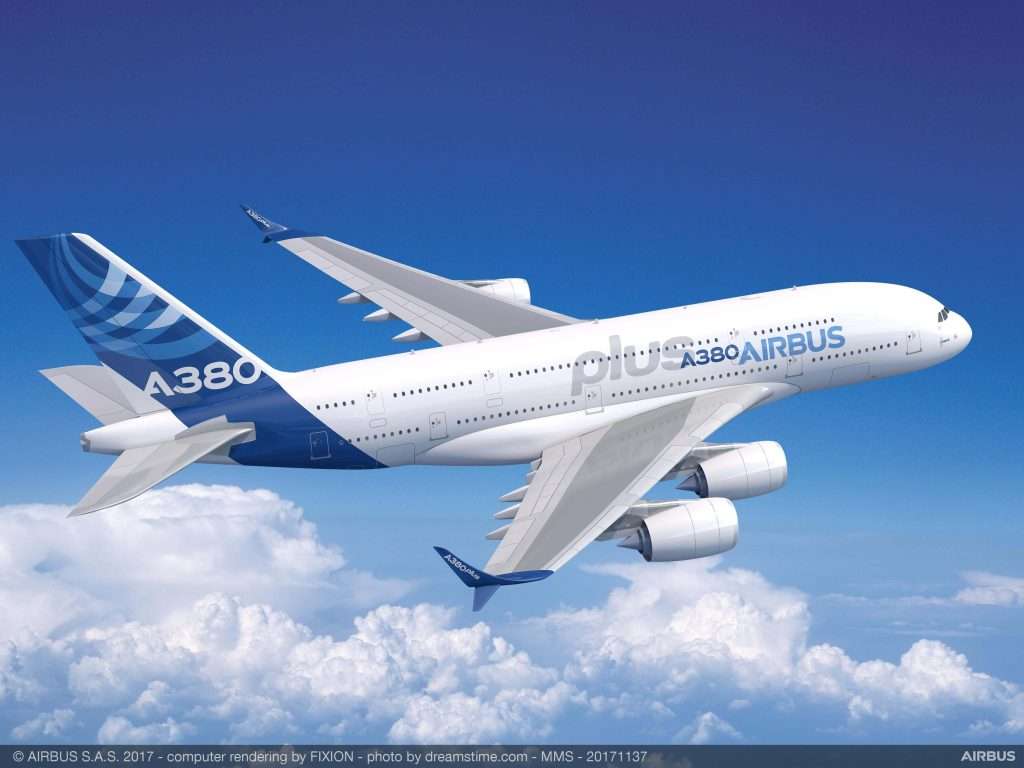
The aircraft also boasted increased maximum takeoff weight (MTOW) and reconfigured cabin options that could fit additional passengers, thus increasing revenues. These changes Airbus said would lead to better performance metrics across the board.
Despite these upgrades, the A380plus remained a study and could never transition towards a model that would be produced.
But Why Was The Aircraft Studied?
When quad-engined jets were becoming so wildly out of favour, it seems puzzling to this day why the A380plus emerged as a study in the first plane by the European planemaker.
To continue with this point, there was little to no interest in the A380-800, and more airlines were questioning the purpose of this aircraft than were looking to buy it for their future operations.
The harsh reality was that the A380 faced declining orders and rising scepticism from airlines by the mid-2010s, who believed this plane wouldn’t simply be the answer long-term. The industry was shifting toward more fuel-efficient twin-engine aircraft.
The A380-800, while iconic, struggled with profitability for most operators. Once a selling point, its size became a liability as airlines found it challenging to fill the aircraft consistently, thus turning a profit for such a pricey aircraft.
Additionally, the high costs associated with maintenance, airport infrastructure requirements, and fuel consumption made the target market for the type minimal to begin with, but with better alternatives on the market, the overall amount of airlines willing to bring the plane on reduced even further.
Airbus had spent years attempting to revive interest in the A380 through aggressive sales pushes. Despite these efforts, orders dwindled, and production rates slowed, with no customers coming forward looking to increase their commitment or become new customers.
Therefore, in a last-ditch attempt, the A380plus was a response to this challenge and a means to bring new life to the program if it interests airline customers.
Airbus hoped the proposed enhancements would address the A380-800 challenges that stopped it from being the success the planemaker had once hoped it would be.
Why The Airbus A380plus Never Launched
Despite its operational improvements, which were only marginally better, the A380plus failed to garner sufficient interest to justify its development.
Emirates, the largest operator and the subsequent biggest supporter of the A380 played a pivotal role in this decision. While Emirates initially expressed interest in a new version of the A380, it advocated something quite different.

The Dubai-based carrier strongly advocated for a more extensive overhaul in the form of an A380neo. Emirates’ vision included new-generation engines, which it believed would generate more substantial upgrades.
Airbus, however, was hesitant to commit to such a costly undertaking given the lack of reception from other airlines for such a plane. The development of an A380neo would have required significant investment when the market for ultra-large aircraft was shrinking.
Without the backing of Emirates for the A380plus and with no other major airlines expressing significant interest, the project was effectively shelved and never heard from again.
Was Scrapping The A380plus The Right Decision?
In hindsight, Airbus’ decision not to move forward with the A380plus would, by all accounts, be the right one with how the market eventually played out.
A mere year and a half later, Airbus announced the production shutdown for the A380-800 after Emirates cancelled some of its remaining orders, and the backlog became no more.
Moreover, the arrival of the COVID-19 pandemic played a role in many airlines cutting ties with the A380 to streamline their operations by reducing costs, and this would typically result in large aircraft being put on the chopping board.
The costs associated with developing the A380plus, while not the same as an A380neo, would’ve still been present, and the return on such an investment would always be questionable.
Since the A380 production shut down, Airbus has been able to leverage the gigantic space necessary to bolster production lines of more in-demand aircraft, such as the A320neo family, which continues to advance.
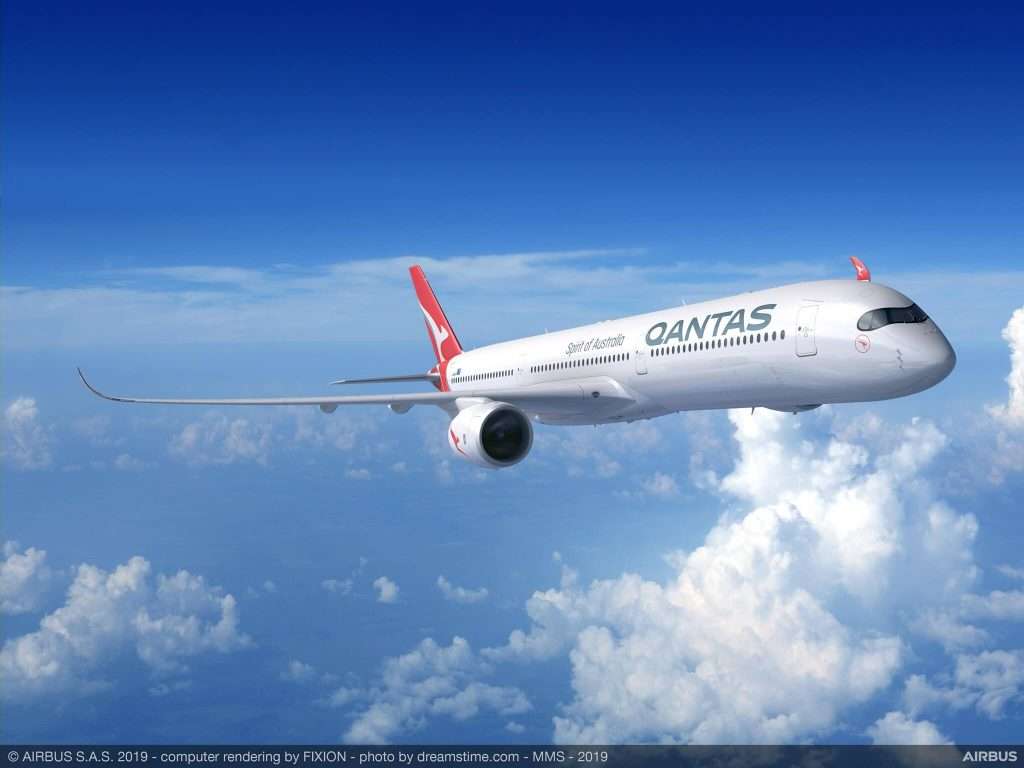
From a widebody standpoint, the success of the A350 program and further development through variants such as the A350-1000ULR has eased some of the burden on the A380 position.
However, there’ll never entirely be the perfect replacement for the world’s largest passenger plane. Emirates, the largest customer, must find a means to move forward without adequately using this variant in future decades.

ABOUT THE AUTHOR
Daniel Fowkes is a Melbourne-based aviation analyst and journalist with over a decade of industry experience. As founder of Dj’s Aviation, he delivers trusted analysis on aircraft, airline strategy and global aviation trends for djsaviation.net
Leave a Reply
Related Articles




Stay Informed
Get the latest aviation news, analysis and route updates delivered to your inbox.
We respect your privacy. Unsubscribe at any time.
Enjoyed this story?
Make us your go-to for aviation news
Add us as a preferred source on Google and see our latest stories first in Top Stories.
Add Us On Your News Feed
It needed new engines. No manufacturer would commit to the new engines without a sizable order profile and even Emirates was unwilling to make that commitment.
The part where it also required 11-abreast Y on the main deck to hit the efficiency targets was also a non-starter for Emirates and others.
And so it never happened.
For flying over the international waters Atlantic or pacific four
Engines are the must to face
Any unforeseen conditions or
Emergencies like bird hits, one of the engines makk look functioning or catches fire or any smoke coming like Jeju airlines
Also four engines are needed to carry maximum passenger load and cargo load with high thrust power and to fly in a turbulent conditions. Even it comes more fuel airline can make up addl cost by way of cargo revenue or
Passenger revenue
747-400 is an excellent model
I travelled both east and west