

Boeing continues to look to the future, and with that comes the requirement for innovation and a new commercial aircraft.
Over recent years, there have been several mentions of innovation, and with that, new possible endeavours that could materialise into the launch of a jet; however, for many reasons, this has not happened.
However, as Boeing attempts to turn a corner and rebuild itself as a business, innovation is a key focus, and with that, the need to compete with Airbus and respond to airlines’ calls for new aircraft.
Now, halfway through the 2020s and with 2030 rapidly approaching, what’s the status on the next aircraft from Boeing?
The 737 MAX Replacement
Over the last couple of years, much discussion has centred around the 737 MAX replacement, with some debate even dating back to the early 2020s, when observers believed the MAX was too far gone and needed to be scrapped due to the incidents that had occurred.
However, the MAX continues to be produced and sells at significant levels each year. The planemaker pushes the jet to airliners and its perfromance metrics, despite its troubled history, certainly stack up with the competing A320neo for operators.

However, despite this, the 737 MAX was only a re-engine of the 737NG at its core, utilising a dated fuselage in an attempt to compete with the A320neo, with many arguing that the limitations of this fuselage had already expired.
With that in mind, there has always been a feeling that a replacement would arrive sooner rather than later, and now work is in the early stages of being initiated to replace the single-aisle jet.
The Wall Street Journal reported this week that Boeing is evaluating key flight deck designs to prepare for the replacement, with this effort still in the early stages. No formal decisions have been made yet for the upcoming aircraft.
Given that the 737 MAX is so crucial to the program, beginning the framework for a replacement is key if the manufacturer does not want to fall further behind Airbus, which is also in the process of developing its next single-aisle plane.
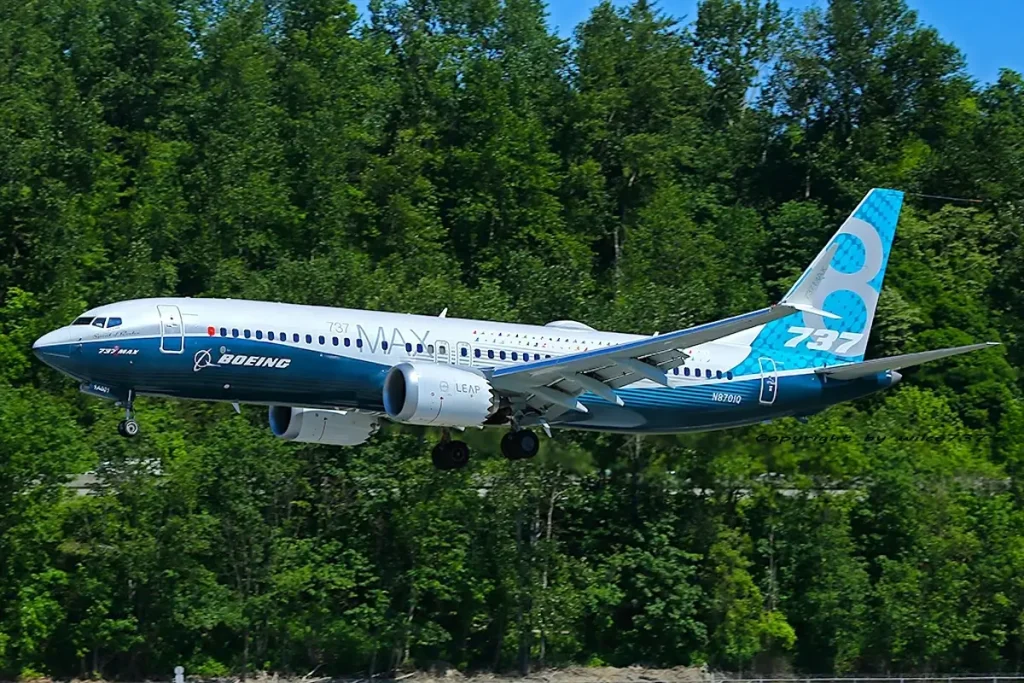
All this follows the 2024 announcement that a new commercial aircraft would be built in the company’s traditional home of Washington, where over 30,000 employees reside, but a commitment would need to be made to launch the jet in the next four to five years.
What About The 797?
While the 737 MAX replacement steals the headlines, in another timeline, Boeing would’ve proceeded with the new middle-of-the-market airliner, which stole the show across the 2010s and into the early stages of the 2020s as well.
While next-gen aircraft such as the 737 MAX and 787 were emerging as successful planes with significant efficiency, they weren’t ultimately what some airlines were looking for.
As a result, discussions began regarding the prospect of a middle-of-the-market airliner, dubbed the 797, that would replace these jets and fend off interest in the emerging A321neo.

Prospective variants had been outlined, with a view to the release of an NMA-6X and an NMA-7X, which would seat 228 and 267 passengers, respectively, and have a range between 4,000 and 5,000 nautical miles.
Furthermore, a study by ICF International led to the belief that this aircraft would be able to establish itself in the market, with potential interest in approximately 3,000 to 3,500 aircraft over a 20-year period.
These estimates would vary, with other parties believing it would be more likely to sell between 1,000 and 1,500 units. Despite these varying predictions, the aircraft had a market; it was just a matter of whether Boeing would act on it.
With such high levels of demand for this single-aisle jet and Airbus also moving ahead with its own prospective middle-of-the-market airliner, later to be seen through the extended range capabilities of the A321XLR, many felt Boeing couldn’t afford to miss out on such strong interest.

That intense interest was even visible from Delta, a major U.S. carrier that is now more heavily relying on Airbus for new aircraft. Delta expressed its desire to purchase a prospective NMA to help build its future fleet and replace older aircraft types.
Ultimately, the NMA did not launch, but was put on hold despite strong interest.
A Troubled Period
Unfortunately, the decision not to launch the NMA and potential delays in launching the 737 MAX replacement follows an incredibly troubled period for the American planemaker.
Headlined by two fatal crashes at the end of the previous decade involving brand-new aircraft, this was the straw that broke the camel’s back, highlighting years of corners being cut to maximise profits.
Since this moment, it has been a persistent downward slope for the business, where recovery at times seemed to be occurring, only to find something new emerging that highlighted the progress many thought had happened hadn’t quite reached the expected levels.

Now, in the mid-2020s, Boeing has invested not just funds but also its workforce in its business, aiming to turn the corner truly. This focus extends not only to the quality control elements of its production floor but also to cultural aspects, addressing the mismanagement and pressures that led to the troubled teens.
With that being said, and factoring in all these challenges, Boeing has not been able to commit to launching new aircraft. As it has stated itself, especially in the 2020s, with all that has occurred, it has not been financially sound enough to proceed with a new model.
Boeing would go so far as to argue sensibly that a new aircraft launch would not make sense, considering the existing problems that needed to be addressed, from production aspects to the inability to certify other models.
Boeing even stated in April that it would pause development on the full-scale X-66 sustainable flight demonstrator, instead making adjustments to the TTBW technology, which has been highly touted as a key component for the next era of flight.
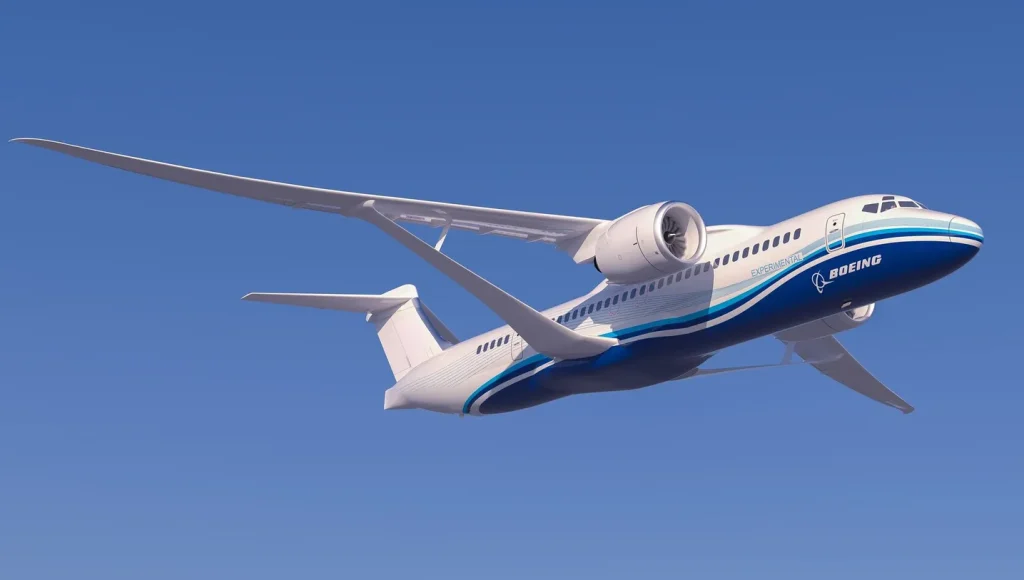
Even in these challenging times, there appears to be light at the end of the tunnel, and Boeing is progressing slowly but surely with the replacement of the 737 MAX, bringing in a new era of commercial aviation that is even more efficient than the previous one.

ABOUT THE AUTHOR
Daniel Fowkes is a Melbourne-based aviation analyst and journalist with over a decade of industry experience. As founder of Dj’s Aviation, he delivers trusted analysis on aircraft, airline strategy and global aviation trends for djsaviation.net
Related Articles



Stay Informed
Get the latest aviation news, analysis and route updates delivered to your inbox.
We respect your privacy. Unsubscribe at any time.
Enjoyed this story?
Make us your go-to for aviation news
Add us as a preferred source on Google and see our latest stories first in Top Stories.
Add Us On Your News Feed