
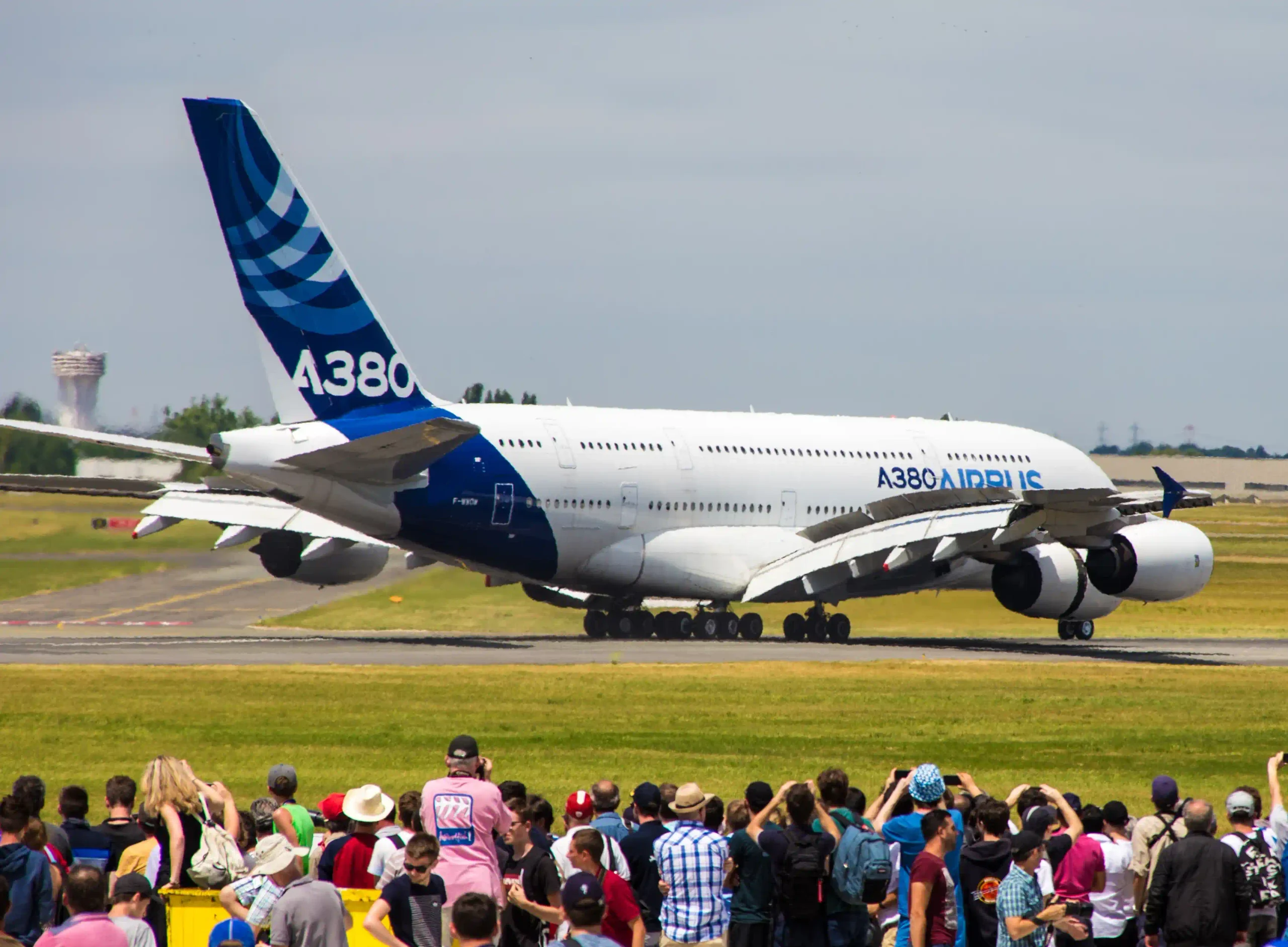
Airbus’ prototype A380 is still flying, 21 years after its maiden flight, and continues to support the plane maker’s development.
F-WWOW, its registration, and the manufacturer serial number 001, remains a testbed as the manufacturer works to improve innovation while supporting the remaining A380 fleet.
Instead of returning to commercial service, the latest reported flight took place on Thursday 22 October 2026, with a departure as AIB84OW from Toulouse Blagnac Airport (TLS) on a two-hour, 43-minute flight before returning to Toulouse.
This month’s flight follows the broader return to test flying, which began in March 2025 after the type was reactivated after years on the ground. Instead of heading to the scrapyard, it has found a new purpose at its home.
Why is Airbus flying the first A380?
F-WWOW first flew on 27 April 2005, as part of efforts to open the flight test programme, support the aircraft’s eventual certification, and pave the way for delivery.
Rather than being delivered to an airline, the aircraft remained at the plant, giving it a dedicated development platform and a way to work beyond the original certification campaign, which was never intended to be permanent.
This prototype was grounded for three years, until the early 2020s, before returning to flight in March 2025. That flight was vital, as Airbus said it was part of efforts to prepare the system for upgrades and renew other key installations.
The campaign was intended to support certification of the in-service fleet with these upgrades. MSN001 therefore supports continued improvement of the A380s that remain active, bringing the systems used closer than ever to models like the A350.
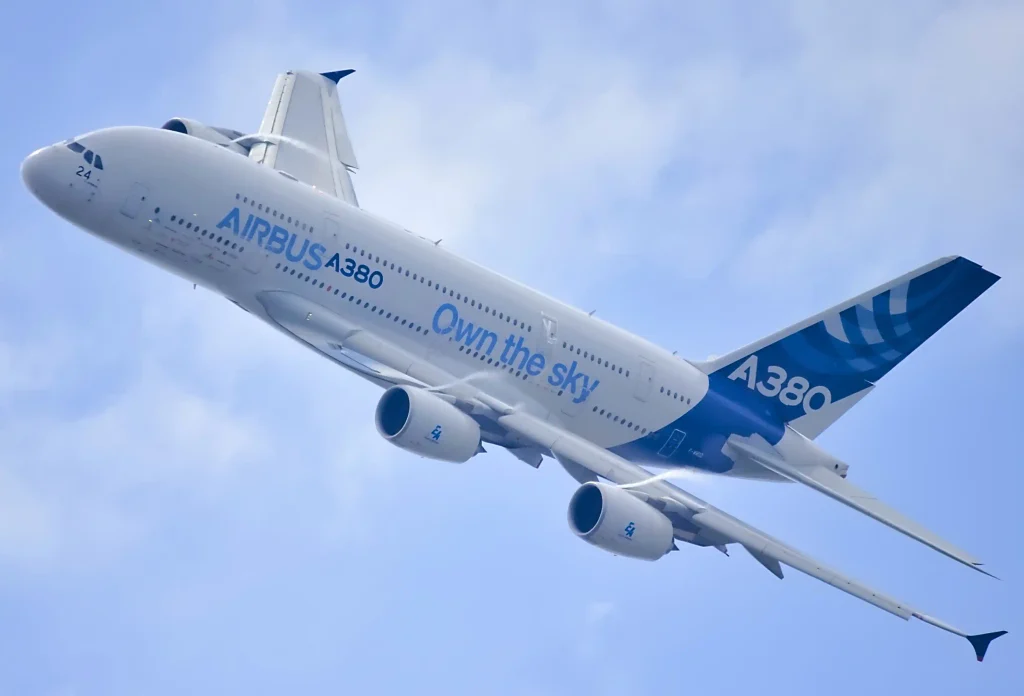
Access to MSN001 and the freedom to validate testing, whether on the ground or in the skies, has let Airbus improve the existing fleet, which, while small and set to shrink over the coming years, remains important for those remaining.
Carrying passengers profitably therefore isn’t the priority for this aircraft; instead, its value to Airbus lies in its ability to serve as a perfect testbed for engineering and developing the existing fleet from its home over the years.
F-WWOW also supports work beyond just the A380
While Airbus leverages F-WWOW for the A380 programme, it can also support other aircraft in production across the planemaker and, notably, serve as a useful testbed for studies.
MSN001 has already helped Rolls-Royce test the Trent XWB engine across the A350 programme, and the A380’s four-engine configuration allows safe installation of these new engines alongside other future open-fan concepts without compromising the jet’s safety.
In 2022, MSN001, before its three-year parking, also completed a near three-hour flight with one Rolls-Royce Trent 900 engine operating on 100% sustainable aviation fuel. The other engines did not run on the same unblended fuel; the flight marked a milestone for sustainable fuel and showed what the aircraft can support.
Beyond today’s testing, Airbus has also confirmed the A380 platform is a suitable demonstrator for future propulsion test flights. The type’s ground clearance, which accommodates large engines, paired with the four-engine configuration, means experimental products carry less risk than on another body.

Just because Airbus plans future A380 demonstration tests doesn’t mean MSN001 will keep flying; earlier, the planemaker moved forward with a former Malaysia Airlines A380 being prepared for its own testbed duties.
As the A380’s passenger operations wind down, despite a resurgence following the COVID-19 pandemic, MSN001 has remained a vital platform for the planemaker to support the current fleet and future studies.

ABOUT THE AUTHOR
Daniel Fowkes is a Melbourne-based aviation analyst and journalist with over a decade of industry experience. As founder of Dj’s Aviation, he delivers trusted analysis on aircraft, airline strategy and global aviation trends for djsaviation.net
Related Articles



Stay Informed
Get the latest aviation news, analysis and route updates delivered to your inbox.
We respect your privacy. Unsubscribe at any time.
Enjoyed this story?
Make us your go-to for aviation news
Add us as a preferred source on Google and see our latest stories first in Top Stories.
Add Us On Your News Feed