

As Boeing recently delayed the 777-9’s entry into service, could a 777-10 bring life back to the programme as the next aircraft for launch?
What Would A 777-10 Be?
Further derivatives of an aircraft programme will always be proposed at some point. This is primarily driven by manufacturers’ bid to continuously innovate and ensure they cover all possible angles to obtain market share.
The 777-10, which was proposed, would look to be a variant that would extend the fuselage length of the 777-9 to accommodate a capacity increase. Some onlookers would consider it the ideal 747 or A380 replacement from a capacity standpoint.
If released, the aircraft would likely fit into the 400 to 500-seat market, with room for companies to optimise their cabin configuration to meet the demands laid out by customers and themselves as businesses.
As more airlines have moved away from quad-engined aircraft in favour of new efficient twin-engine types, some carriers have battled with the subsequent capacity reductions that occur.
The 777-10 would aim to eradicate those battles and provide a solution to the problem. Such a variant was briefly discussed in the mid-2010s, just years after Boeing revealed the 777X programme, including the 777-8 and 777-9, for the first time.
Would It Be A Hit With Airlines?
Such a proposed 777-10 would likely come primarily with an increase in total passenger capacity rather than range increases felt on the 777-9, for compromises would need to be made.
Expectations outlined years ago would’ve seen a 777-10 with a 100- or so seat-capacity difference with the 777-8, the smallest variant in the 777X family. However, given that the -10s had no material specifications, it was never outright confirmed and was speculative based on other studies.
The 777-10 being a hit with airlines, however, would be a question that remains unanswered even today. Best estimates, however, would highlight the still relatively niche-based requirements for ultra-high capacity aircraft that are present.
While the A380 is experiencing a resurgence, this is primarily driven by airlines’ inability to acquire the widebody aircraft part of the next-generation family on time and then resorting to older, less-efficient aircraft.
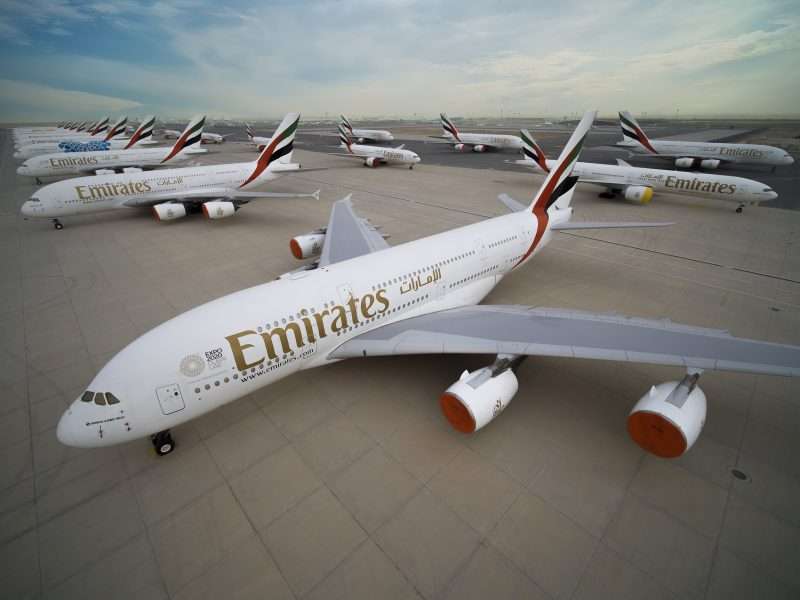
Demand is looking into the future for an aircraft of this sheer scale, and the capacity of a rumoured 777-10 hasn’t been there, excluding Emirates, which has called for a new A380 on several occasions.
As a result, the 777-10 would likely fill a niche similar to other 777 variants released over the decades to aid range requirements in different capacity slots.
Boeing Is A Damaged Brand
However, since the 777-10 was first proposed, a lot has happened at Boeing, and the planemaker is ultimately not what it once was.
The planemaker’s state is damaged, bruised, and, for some, beyond repair. With every passing month, progress consistently feels undone in the rebuild phase.
Unfortunately, this means Boeing is in a position where launching new programmes is highly unlikely. From production increases being barred in 2024 to lengthy strike action, the manufacturer is up against it in more ways than one.
A recent announcement that it would also delay the first delivery of its 777X to 2026, a further one-year delay and now ballooning them out to a total of six years, has highlighted where priorities must lie.
Why It Remains Unlikely
The 777-10 received its greatest backing in 2016 when Flightglobal reported that Boeing confirmed the technical feasibility of such a variant in the future.
However, that technical feasibility study is now a decade ago, and much has changed, as touched on, not just for the industry but also for Boeing.
Since that feasibility study, the 777X has remained uncertified and has yet to enter commercial service, and it’ll be several years before then. The 777-8 remains unbuilt and of little interest, and a new freighter variant has been launched.
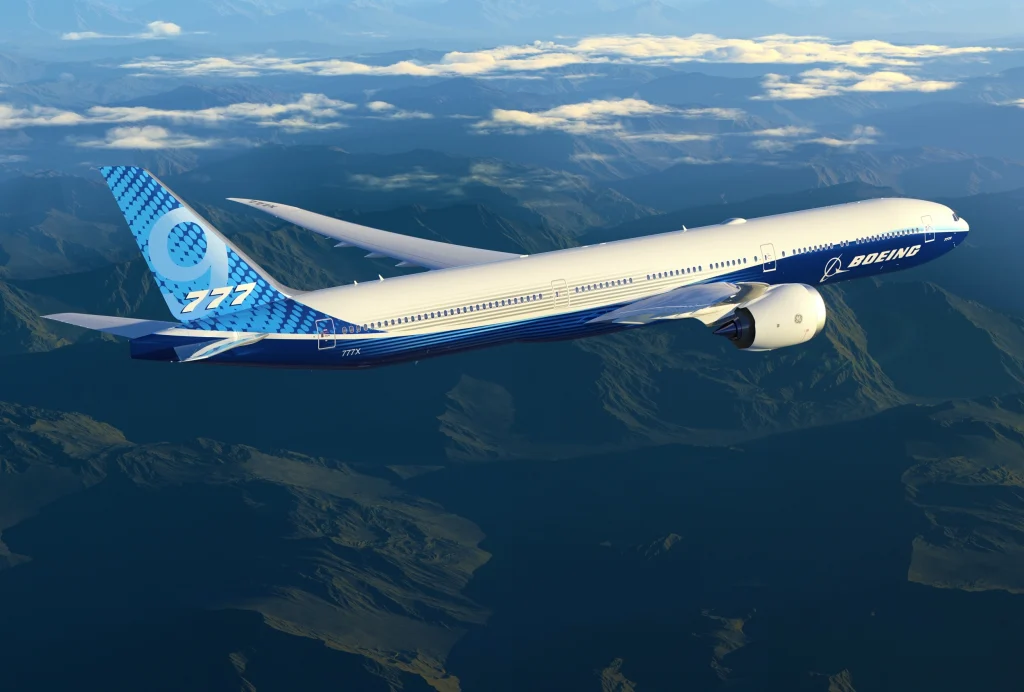
No customer has expressed a strong desire, at least publicly, for a 777-10-like aircraft, with the 777-9 and its counterpart, the A350-1000, seen as the modern high-capacity alternative.
Ultimately, Boeing has greater problems but also focuses currently. There will always be the ifs, buts, and maybes, and that could undoubtedly centre around if a pandemic hadn’t occurred, Boeing hadn’t encountered difficulties, and if the 777X had entered service as intended at the top of the decade.
For now, a 777-10 seems unlikely. Still, a technical feasibility study from the mid-2010s showed the planemaker doing its due diligence to see what potential the aircraft family had for further derivatives in the future if required.

ABOUT THE AUTHOR
Daniel Fowkes is a Melbourne-based aviation analyst and journalist with over a decade of industry experience. As founder of Dj’s Aviation, he delivers trusted analysis on aircraft, airline strategy and global aviation trends for djsaviation.net
Related Articles




Stay Informed
Get the latest aviation news, analysis and route updates delivered to your inbox.
We respect your privacy. Unsubscribe at any time.
Enjoyed this story?
Make us your go-to for aviation news
Add us as a preferred source on Google and see our latest stories first in Top Stories.
Add Us On Your News Feed