
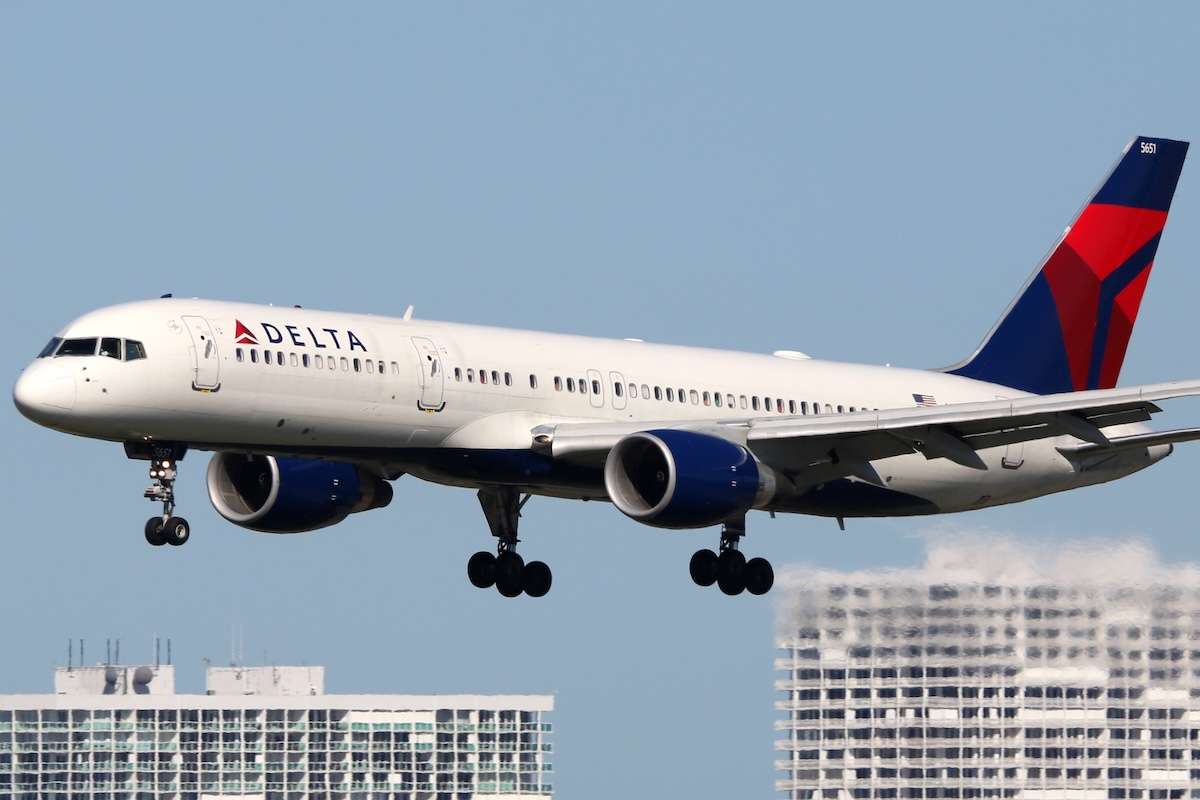
Delta Air Lines has finally begun formal plans to phase out two beloved Boeing workhorses as it prepares for the next stage of fleet renewal.
In the airline’s latest earnings call, it confirmed that the highly touted 737-10, which remains uncertified, will be integrated into its fleet starting in 2027.
The arrival of the airline’s next-generation, high-capacity 737 MAX will not only bring the fleet type into the equation, but it’s also directly linked to the retirement of two other older Boeing products as part of a push to simplify the business.
Delta’s Boeing 737-10 Order
Delta has long ordered Boeing planes; however, in recent years, that position had diminished, before a deal for the 787 was struck. As a result, the 737-10 represented the only Boeing order of the new era, even as the airline shifted toward Airbus.
In 2022, the 737 MAX order included a firm deal for 100 of the high-capacity 737-10; options were also included, cementing the return to Boeing following years of dominance at Airbus with the A220 and A321neo, as well as its wide-body offerings.
The 737-10s would’ve already been flying with the airline according to initial delivery schedules; however, due to delayed certification, they’ll enter service around two years later. Despite the delays, Delta is hopeful that the first batch will arrive quickly.
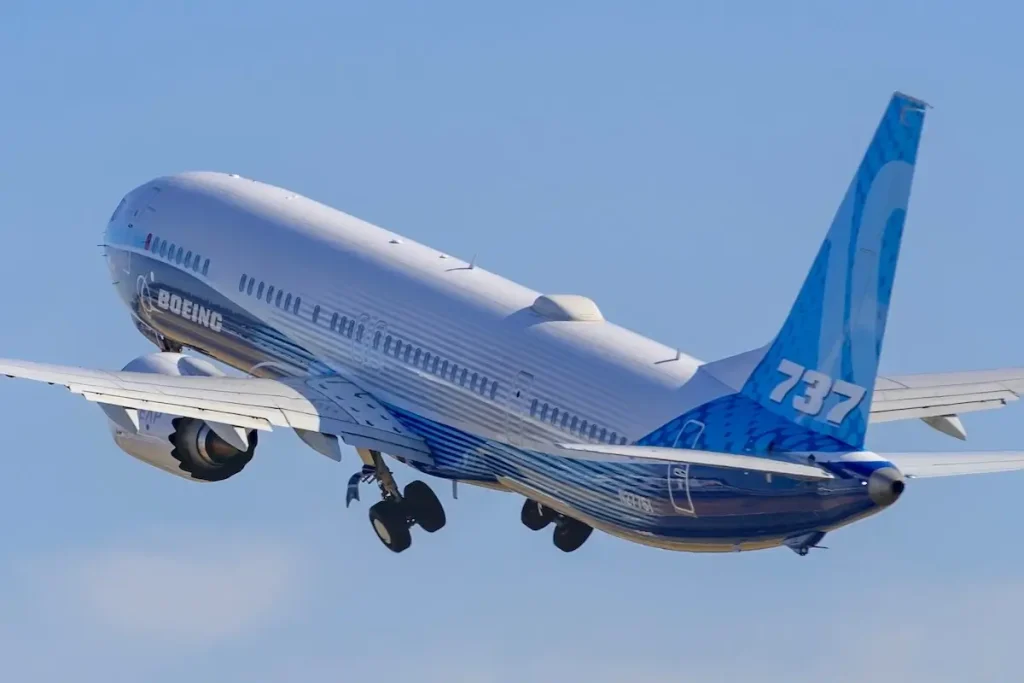
According to internal planning with investors and flagged by FlightGlobal, these 737-10s will be deployed from the business’s core hubs, such as Atlanta, Detroit, and Minneapolis-St. Paul, with a two-class layout featuring First Class and Main Cabin.
With the 737-10 being significantly more efficient than the planes it’s going to replace, it will help lower not just maintenance costs but operating costs over time. It aligns with the newer Airbus jets and supports commonality by being a family Delta is already familiar with, thanks to the 737NG.
The 737-10 will cover some of the higher-density domestic and even short-haul international routes where strong leisure or business demand requires both frequency and seats. As a consequence, the aircraft will take over a heavy workload currently handled by the 757 and phase out the 717.
Delta Says Goodbye To 757 & 717
Delta inherited a large share of its Boeing 717s from AirTran and has since been the leading operator of the type, the 110-seater short-haul workhorse; however, it averages in the mid-20s for age and is not getting any younger.
Initially, the jets were expected to remain in operation longer, but the COVID-19 pandemic forced Delta to accelerate its simplification efforts and the retirement timeline. The exit, while planned at the top of the decade, has been slower and more phased, as ongoing replacement efforts have stalled due to supply chain woes and delays in next-generation deliveries.
The Airbus A220, which has been ordered and is being delivered, has covered much of the 717’s mission profile, but these planes are also being deployed on longer routes and in other roles. The 737-10 is expected to help pick up some of the mid-density and mid-range work as well, per the airline.
As for the Boeing 757, its story remains different. Delta has been one of the strongest defenders of the 757 and has uniquely used this workhorse for everything, from high-demand domestic routes to thin transatlantic markets over the years.
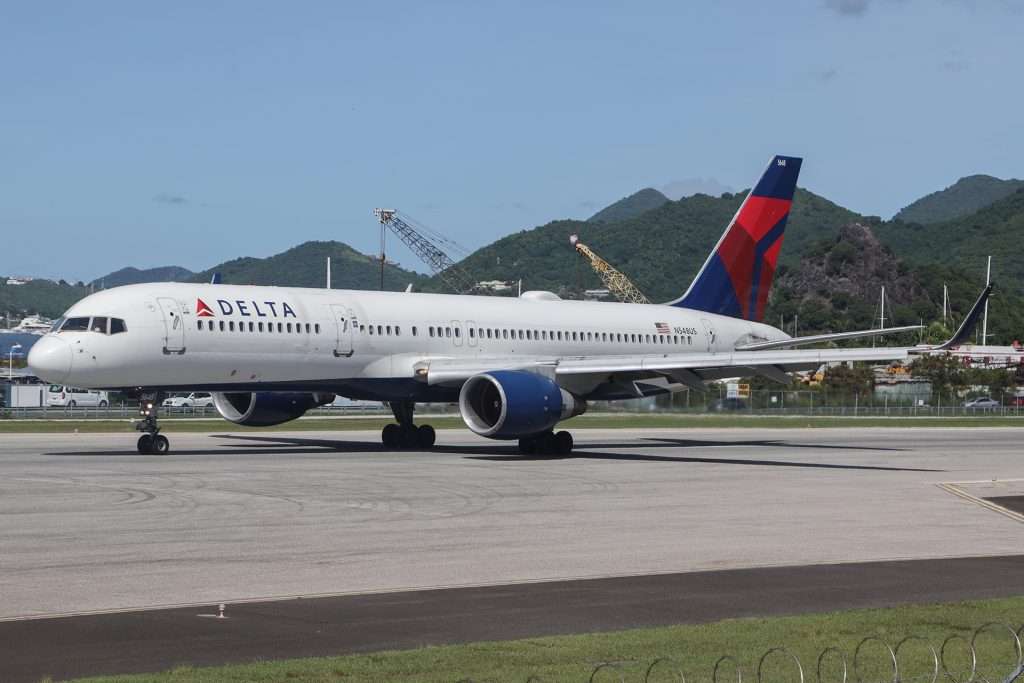
The blend of payload, range, performance, and capacity has been particularly hard to replace, with no dedicated new Boeing offering on the market. As a result, the U.S. carrier has, since the 2010s, been sweating on how to replace these planes and has delayed that decision for as long as possible.
As the 2020s come to a close, however, these assets are seeing their maintenance costs rise, and the aircraft need to be retired sooner rather than later. Delta has outlined the 737-10 as a model that will progressively replace a portion of the 757s.
With repeated calls in the 2010s from the airline for Boeing to push forward with an NMA-type jet, even saying it would commit to hundreds of units if launched, going unanswered, it was forced to pivot.
Now, the airline is leaning on jets like the 737-10, A330neo, and 787 to help cover all angles. The flexibility of these new next-generation models from Airbus and Boeing may not be the perfect like-for-like replacement. Still, it’s the next-best option, with no dedicated offering.

ABOUT THE AUTHOR
Daniel Fowkes is a Melbourne-based aviation analyst and journalist with over a decade of industry experience. As founder of Dj’s Aviation, he delivers trusted analysis on aircraft, airline strategy and global aviation trends for djsaviation.net
Related Articles




Stay Informed
Get the latest aviation news, analysis and route updates delivered to your inbox.
We respect your privacy. Unsubscribe at any time.
Enjoyed this story?
Make us your go-to for aviation news
Add us as a preferred source on Google and see our latest stories first in Top Stories.
Add Us On Your News FeedRelated articles
· Airlines
Allegiant Air Buys Six More 737-8s From Boeing
Daniel Fowkes
26/10/2026
· Airlines
Emirates vs Qatar Airways: The Gulf Superhub Rivalry Compared
Bryan Shelmon
26/10/2026
· Airlines
Riyadh Air Is Moving Away From Riyadh
Daniel Fowkes
26/10/2026
· Airlines
Emirates Isn’t Worried At All
Daniel Fowkes
25/10/2026