
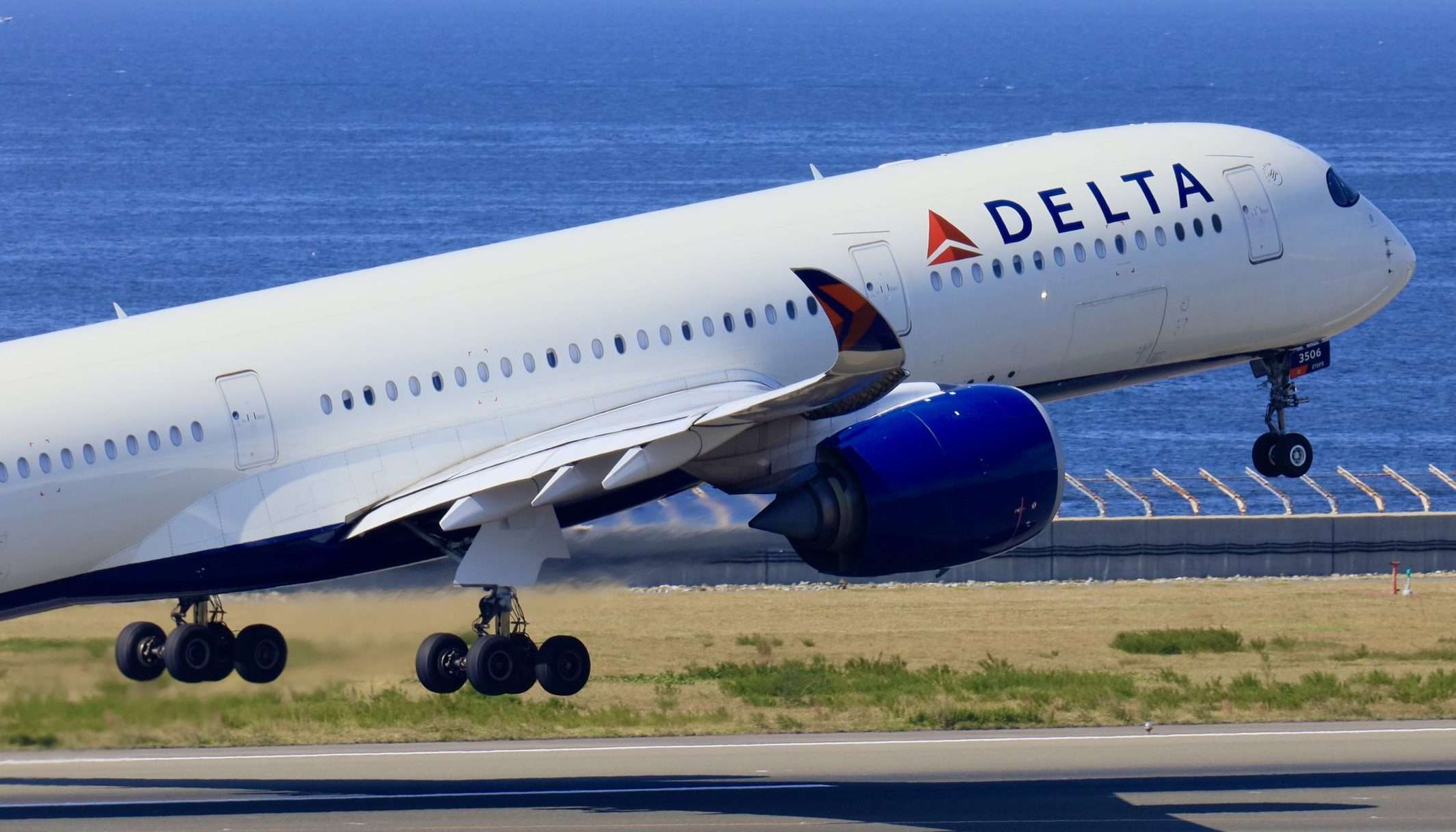
Booking between Delta and United usually comes down to one question: which one gets you where you’re going, in the seat you want, without the headache? In the Delta vs United Airlines debate, there’s no single winner. Delta leads in reliability and cabin polish, while United counters with a broader route network and a stronger global alliance.
This guide breaks down the fleets, cabins, loyalty programs and on-time data so you can work out which carrier suits the way you fly.
Key Insights
- Delta has topped Cirium’s North America on-time rankings for five consecutive years running into 2025, making it the more dependable pick for tight connections.
- United operates the larger network with more mainline aircraft and hundreds more served destinations than Delta, backed by the broader Star Alliance.
- Delta One and Delta’s Comfort+ product are generally rated as more polished than United’s equivalents, though United’s Polaris business class holds its own on long-haul flights.
- Both airlines raised checked-bag fees in 2026, so pricing is close to a wash. Loyalty status matters more than the base fare structure now.
- For Australians flying to the US, Delta’s Sydney, Melbourne, Brisbane and Auckland services via SkyTeam partners often beat United’s more roundabout Star Alliance routing.
What Are United Airlines and Delta Airlines?
Both carriers are so-called “legacy” US network airlines, meaning they operate hub-and-spoke networks built over decades, rather than the point-to-point model used by low-cost carriers. Delta is based in Atlanta and traces its history back to 1925; United is headquartered in Chicago and dates to 1931. Between them, they carry a huge share of US domestic and international traffic, and they compete head-to-head on dozens of transcontinental and international routes.
What Does United Airlines Offer?
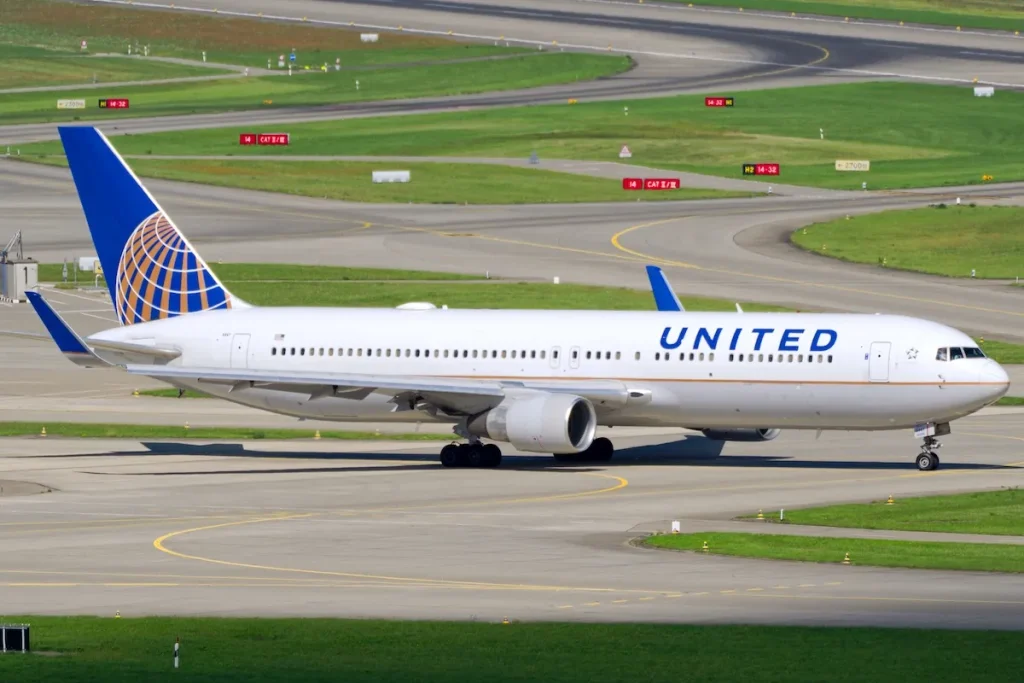
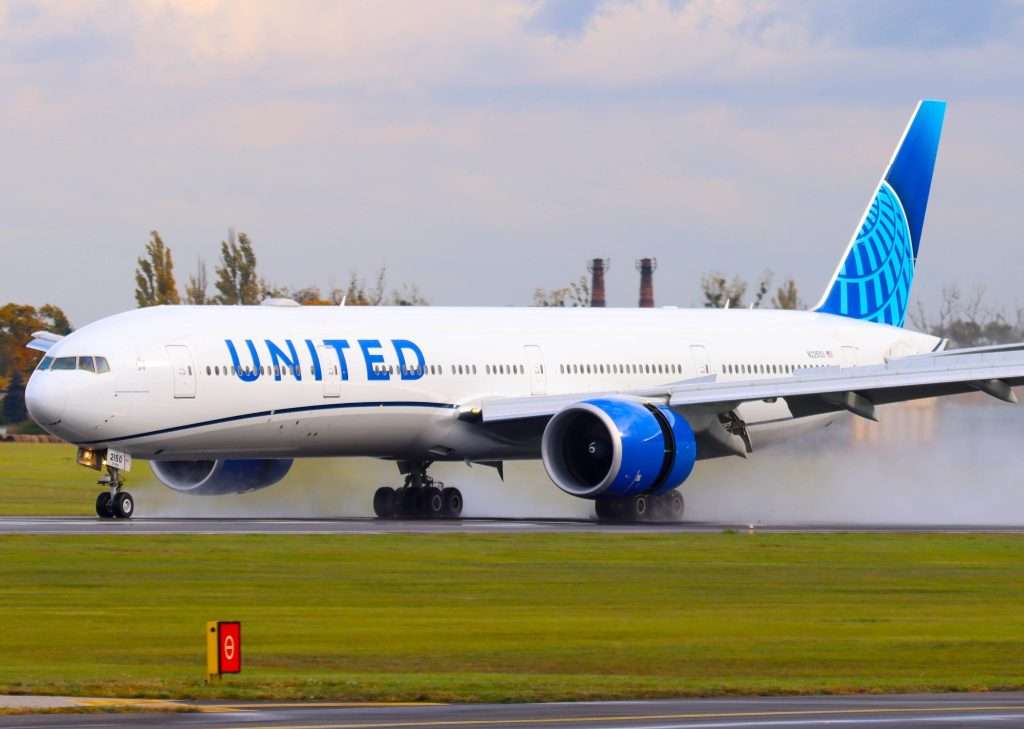
United Airlines operates hubs at Chicago O’Hare, Denver, Houston, Los Angeles, Newark, San Francisco, and Washington Dulles. It’s the largest airline in the world by fleet size, with 1,135 mainline aircraft, and serves more than 400 destinations. United’s calling card is reach. It flies to more corners of Asia, Africa and the Pacific than most of its US rivals, and its Polaris business class and expanding satellite Wi-Fi are central to its pitch to premium and international travellers.
What Does Delta Airlines Offer?
Delta Airlines operates from hubs including Atlanta, Detroit, Minneapolis–St Paul, Salt Lake City, Seattle, Boston and both New York airports. Its fleet sits at just over 1,000 mainline aircraft, flying to more than 300 destinations across roughly 60 countries. Delta’s pitch is consistency: strong operational reliability, a widely admired cabin crew culture, and premium products like Delta One and Delta Premium Select that consistently rank near the top of US airline surveys.
How Do the Route Networks of United Airlines and Delta Compare?
United’s network is bigger on paper, and it shows in the numbers. But size isn’t everything. Where each airline’s hubs sit relative to your home airport usually matters more than the overall total.
Which Airline Has More Domestic Destinations?
United’s domestic footprint edges out Delta’s, largely thanks to its seven hubs spread across the Midwest, Mountain West and both coasts. Delta’s domestic network is dense but slightly more concentrated around Atlanta, its busiest hub and one of the world’s busiest airports.
Which Airline Has the Stronger International Network?
United markets itself as running the largest international network of any US carrier, with unique routes across the Pacific and into secondary European and African cities that Delta doesn’t touch directly. Delta counters with deep Latin American coverage from Atlanta and an expanding transatlantic and transpacific build-out, including new 2026 routes to destinations like Hong Kong and Riyadh.
Which Airline Has the Better Fleet, United or Delta?
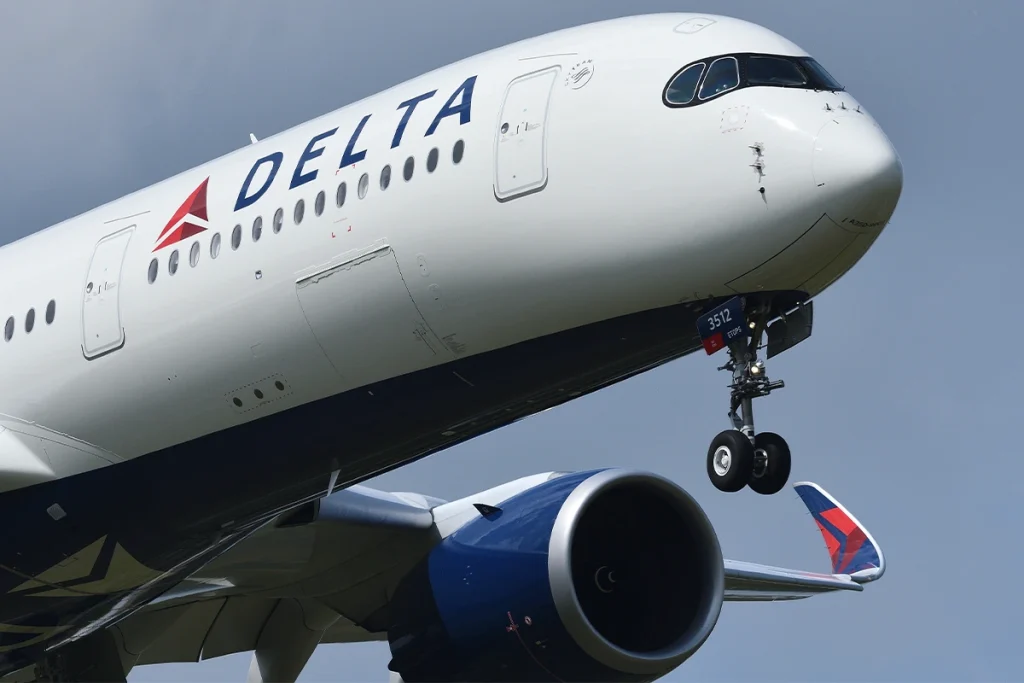
Fleet size is one of the clearest data points in the Delta vs United Airlines comparison. United operates the larger fleet by aircraft count, with more wide-body jets than any other North American carrier, giving it flexibility on long-haul international routes. Delta’s fleet is smaller but skews younger in key wide-body categories, and its in-house Delta TechOps maintenance division is often credited with keeping dispatch reliability high.
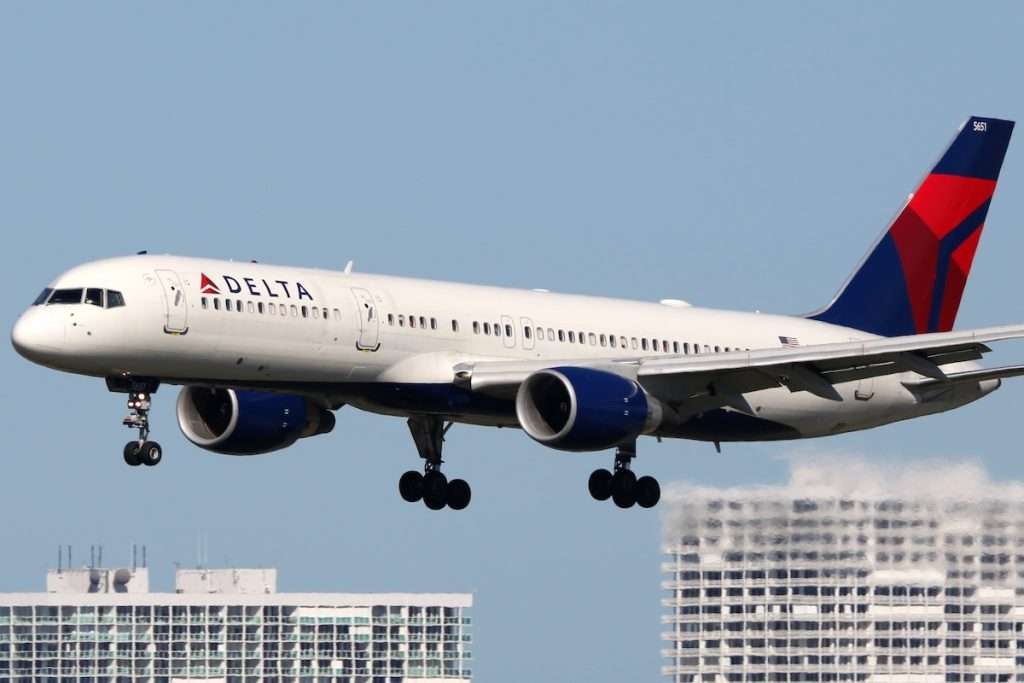
Both airlines have sizeable orders in place for new Airbus and Boeing aircraft through the rest of the decade, so the fleet gap is more about mix than raw age.
How Do the Cabin Classes of United Airlines and Delta Compare?
How Does Economy Compare?
Standard economy is broadly similar on both. featuring tight seat pitch on domestic narrow-bodies, with extra-legroom sections (Delta Comfort+ and United Economy Plus) available for a fee or through elite status. Delta’s Basic Economy still includes a full-size carry-on on most routes; United’s Basic Economy is more restrictive on bag and seating flexibility.
How Do Premium and Business Class Compare?
This is where the United Airlines vs Delta gap narrows to a matter of taste. Delta One generally wins on service consistency and cabin atmosphere, while United’s Polaris seats and refreshed Polaris lounges are considered a genuine step up on long-haul international routes. Comfort+/Economy Plus, the premium economy tier, tends to feel slightly more refined on Delta, though United has closed the gap on newer aircraft.
Which Loyalty Program Is Better?
Delta SkyMiles has more than 120 million members and no published award chart, so pricing is dynamic and can be hit-or-miss depending on demand. United MileagePlus uses a more structured Premier Qualifying Points system across four published elite tiers (Silver, Gold, Platinum and 1K), which frequent flyers tend to find easier to plan around for both status and partner redemptions. Neither program raised elite-status thresholds for 2026, so existing members aren’t facing a fresh hurdle this year.
The honest answer is that the home airport decides more than program quality: SkyMiles delivers more value to someone based near Atlanta, Detroit or JFK, while MileagePlus works better for flyers anchored around Chicago, Denver, Houston or San Francisco.
How Do the Airline Alliances Compare?
Delta anchors the SkyTeam alliance alongside Air France-KLM, Korean Air and Virgin Atlantic. United is the sole major US member of Star Alliance, which includes Lufthansa, ANA, Singapore Airlines and Air Canada. Star Alliance is generally viewed as the broader network of the two globally, which is a meaningful factor for travellers chasing elite status through international partner flights rather than United or Delta metal alone.
How Do Baggage Policies and Fees Compare?
Both airlines raised checked-bag fees in 2026. As of April 2026, Delta charges $45 for a first checked bag and $55 for a second on most domestic and short-haul international routes, up from $35 and $45 previously. United made a comparable move around the same time, also landing at roughly $45 for a first bag and $55 for a second on many domestic routes. A third bag costs $200 on both airlines. Elite status, premium cabin tickets and co-branded credit cards waive the first-bag fee on either carrier, so frequent flyers on both sides are largely shielded from the increase.
Which Airline Is More Reliable for On-Time Flights?
On reliability, the Delta vs United Airlines gap is Delta’s strongest card. Cirium’s 2025 On-Time Performance Review named Delta the most punctual airline in North America for the fifth consecutive year, with 80.9% of roughly 1.8 million flights arriving within 15 minutes of schedule, and Delta was the only US carrier to crack Cirium’s global top ten.
United didn’t feature in Cirium’s North American podium for 2025, though it had ranked second domestically the year before, at 80.93%, and Cirium’s data shows United’s punctuality improving by roughly one to two percentage points annually. For travellers who prioritise dependable connections over network breadth, Delta currently has the edge.
Which Airline Delivers a Better In-Flight Experience?
Delta generally scores higher for cabin crew warmth and cabin atmosphere, and it was rated highly by J.D. Power for satisfaction with premium cabin and premium economy. United has invested heavily in expanding satellite-based Wi-Fi across its mainline fleet, including complimentary access for MileagePlus members on some aircraft, which is quickly becoming a genuine differentiator for connectivity-focused flyers.
Entertainment and meal service are broadly comparable across both airlines in economy, with larger gaps in the premium cabins.
How Do Ticket Prices Compare Between United and Delta?
On the pricing side of the Delta vs United Airlines question, overlapping routes are usually price-competitive, with fares moving on demand and hub dominance rather than a consistent gap between the two brands. Delta tends to price slightly higher on routes that touch its dominant hubs, such as Atlanta or Detroit, where it faces less direct competition.
There’s no reliable rule that one airline is cheaper across the board. The better strategy is to compare live fares for your specific route and travel dates rather than assuming either carrier undercuts the other.
Which Airline Is Better for Australian Travellers Flying to the United States?
For Australians, Delta flies direct from Sydney and connects via SkyTeam partner networks into most major North American cities, while also offering deep onward connectivity into Latin America and Europe from its US hubs. United doesn’t operate direct Australia–US metal at the same scale, so Star Alliance partner flights (typically via Auckland, Los Angeles or Asian gateways) are usually the practical option.
If your itinerary needs a single-carrier or SkyTeam-aligned booking with strong loyalty-status recognition, Delta is generally the simpler choice; if you’re already building Star Alliance status through Singapore Airlines, ANA or Air New Zealand, United’s network integrates more naturally.
United Airlines vs Delta: Side-by-Side Comparison
| Category | Delta Air Lines | United Airlines |
| Hubs | Atlanta, Detroit, Minneapolis–St Paul, Salt Lake City, Seattle, Boston, JFK, LaGuardia | Chicago O’Hare, Denver, Houston, LAX, Newark, San Francisco, Washington Dulles |
| Fleet size | ~1,004 mainline aircraft | ~1,135 mainline aircraft |
| Destinations | 300+ | 400+ |
| Alliance | SkyTeam | Star Alliance |
| Loyalty program | SkyMiles | MileagePlus |
| 2025 North America on-time rank (Cirium) | 1st (80.9%) | Outside top 3 |
| First checked bag (domestic) | $45 | ~$45 |
| Business class | Delta One | Polaris |
The Bottom Line
Neither airline is the outright best choice for every traveller in the Delta vs United airlines comparison. Delta’s operational reliability and cabin experience make it the safer default for most domestic and transatlantic trips, while United’s larger network and Star Alliance ties suit travellers chasing specific international routes or partner-airline status.
Keep following our aviation news for the latest route launches, fleet updates and loyalty program changes from both carriers as 2026 progresses.

ABOUT THE AUTHOR
Daniel Fowkes is a Melbourne-based aviation analyst and journalist with over a decade of industry experience. As founder of Dj’s Aviation, he delivers trusted analysis on aircraft, airline strategy and global aviation trends for djsaviation.net
Related Articles




Stay Informed
Get the latest aviation news, analysis and route updates delivered to your inbox.
We respect your privacy. Unsubscribe at any time.
Enjoyed this story?
Make us your go-to for aviation news
Add us as a preferred source on Google and see our latest stories first in Top Stories.
Add Us On Your News FeedRelated articles
· Airlines
Allegiant Air Buys Six More 737-8s From Boeing
Daniel Fowkes
26/10/2026
· Airlines
Emirates vs Qatar Airways: The Gulf Superhub Rivalry Compared
Bryan Shelmon
26/10/2026
· Airlines
Riyadh Air Is Moving Away From Riyadh
Daniel Fowkes
26/10/2026
· Airlines
Emirates Isn’t Worried At All
Daniel Fowkes
25/10/2026