
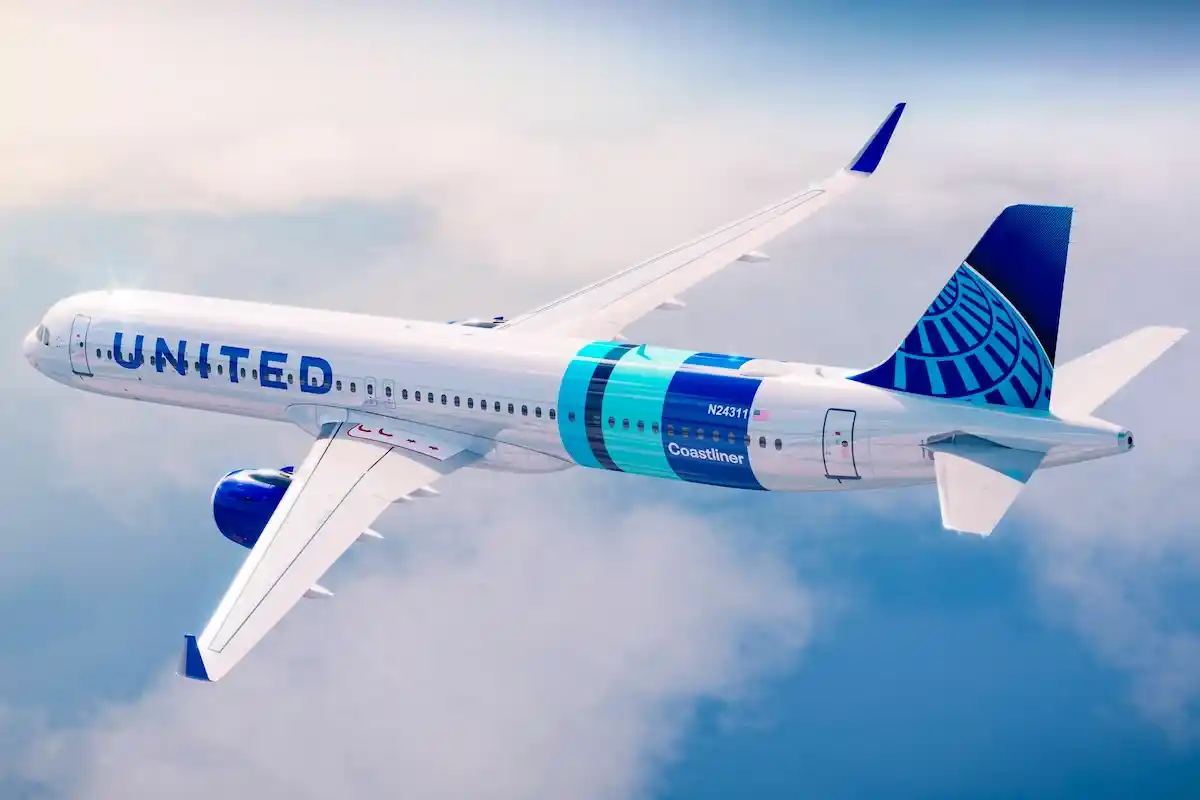
United Airlines’ overhaul of its single-aisle operations continues with the first delivery of its A321neo Coastliner from Airbus, but not without hiccups.
The first delivery doesn’t immediately pave the way for a planned entry into service, which won’t come until early 2027 after a delay pushes the jet well past the original summer 2026 season target.
United Airlines took delivery of the first aircraft, registered as N74751, on 5 November 2026, with a delivery flight from Hamburg Finkenwerder Airport (XFW) to the United States, where testing and crew training will now commence before scheduled operations are cleared.
A 2027 debut for the United Airlines Coastliner
United Airlines, when announcing the delivery on 5 November 2026, also revised the entry-into-service timeframe to early 2027, as Airbus delivery delays have hampered previously announced plans.
The U.S. carrier originally outlined a timetable in March that expected the first Coastliner to enter service during the peak Northern Summer schedule this year. Instead, it will be delivered only a week into the Northern Winter 2026/27 season and won’t enter service until midseason, more than six months later.
Initial operations are planned between Newark Liberty International Airport (EWR) and both Los Angeles International Airport (LAX) and San Francisco International Airport (SFO), helping give the airline its name as the Coastliner within the network.
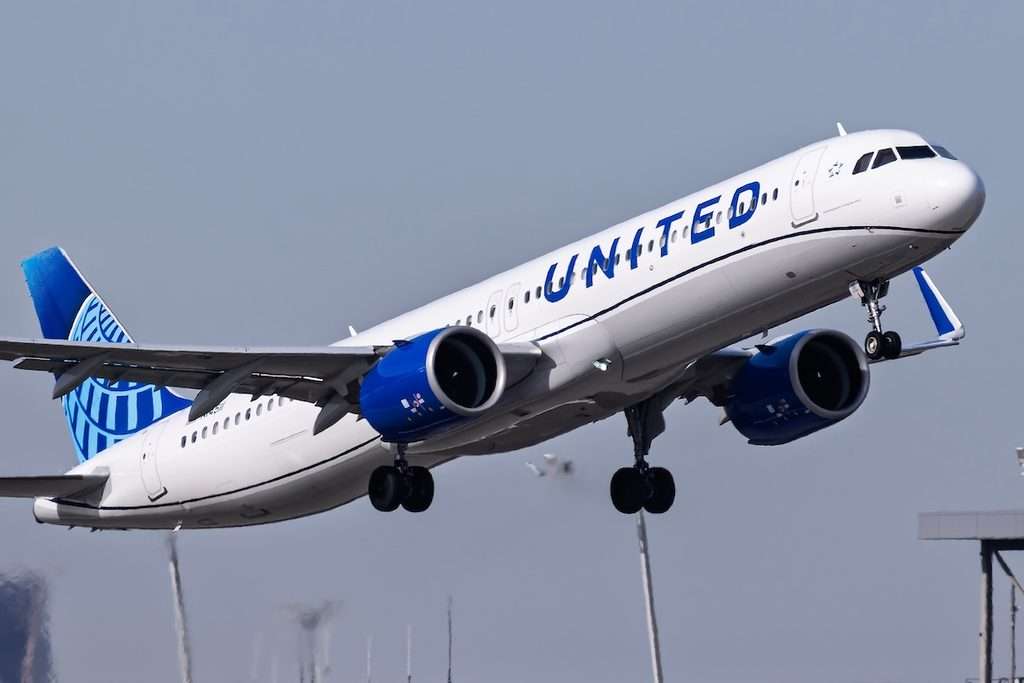
The A321neo has been specifically designed by United Airlines for these premium transcontinental markets, where the chosen configuration that differs from a traditional A321neo is expected to thrive and be highly focused on these cities rather than an expansive network.
United Airlines gets the dedicated aircraft it needs
Even with delays to its planned entry into service, the Coastliner has been configured as an A321neo, not only on the outside but, importantly, on the inside, highlighting a higher-end domestic offering.
The significance, therefore, lies in its size, thanks to the stretched A321 fuselage, complemented by the seating and service inside, which can make the Coastliner different from the traditional single-aisle experience across the country.
The aircraft has 161 seats: 20 lie-flat Polaris Business Class seats, 12 Premium Blue seats, and 129 economy seats, with every Polaris passenger getting direct aisle access and Premium Blue introducing a premium-economy cabin to the narrowbody operation.
Reducing economy seats on a standard A321neo to make way for more upper-class options creates the exact product United Airlines wants on the Coastliner, which will be vital to achieving the commercial benefits outlined at the time of the first announcement.
With this cabin makeup, United Airlines can offer an option between lie-flat and economy across the route map, with upper-class passengers also receiving amenities similar to those on an international flight, targeting not just leisure but, crucially, business travellers.
Where the A321neo Coastliner fits for United
The Coastliner programme sits alongside a broader renewal of United Airlines’ single-aisle network, as the Boeing 757 and 767s’ role diminishes in favour of more efficient options.
These Coastliners are separate from the airline’s fleet of A321XLR jets, also from Airbus, with 100 combined aircraft in March to help replace the older Boeing 757s over the coming years.
United Airlines says the Coastliner will be intended for deployment on premium domestic transcontinental flights, but the A321XLR will differ, being more optimised to replace the 757s, which were found on smaller cities in either Europe or South America and can benefit from the highly optimised single-aisle range capabilities.
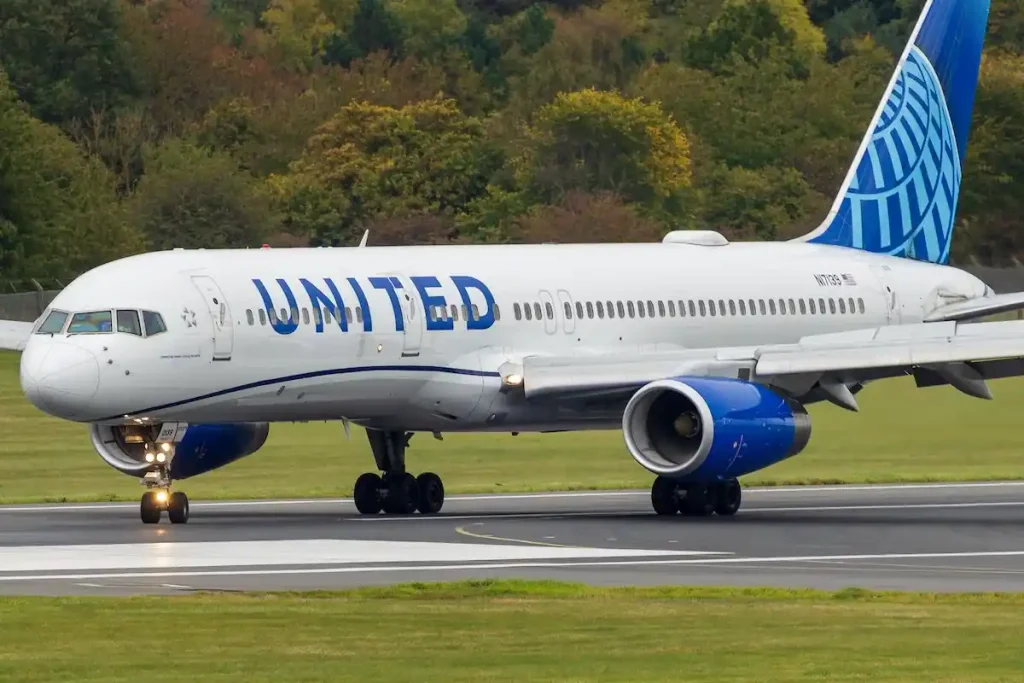
Beyond lower costs and revenue opportunities, the Coastliner will also, arguably most vitally, help pivot widebody jets away from high-demand domestic services and toward international markets where the U.S. carrier wants to scale frequencies or introduce new cities.
As premium revenue becomes more crucial than ever to offset rising operating costs, these Coastliner-type aircraft are expected to transform some of the busiest, more premium route segments in the United States and create a clear, distinct option that puts United Airlines in a class above its competitors.

ABOUT THE AUTHOR
Daniel Fowkes is a Melbourne-based aviation analyst and journalist with over a decade of industry experience. As founder of Dj’s Aviation, he delivers trusted analysis on aircraft, airline strategy and global aviation trends for djsaviation.net
Related Articles
Stay Informed
Get the latest aviation news, analysis and route updates delivered to your inbox.
We respect your privacy. Unsubscribe at any time.
Enjoyed this story?
Make us your go-to for aviation news
Add us as a preferred source on Google and see our latest stories first in Top Stories.
Add Us On Your News Feed