

United Airlines has confirmed ongoing retirement plans for its workhorse Boeing 757 family set to occur in the coming years.
In the airline’s recently confirmed next phase of growth, aimed at winning brand-loyal customers and differentiating itself from competitors, fleet renewal was at the centre of the focus.
As part of ongoing efforts to take delivery of more than 250 new aircraft by April 2028, the most by any airline in two years, the view is for aircraft like the Boeing 757 to continue to be phased out in favour of more efficient models.
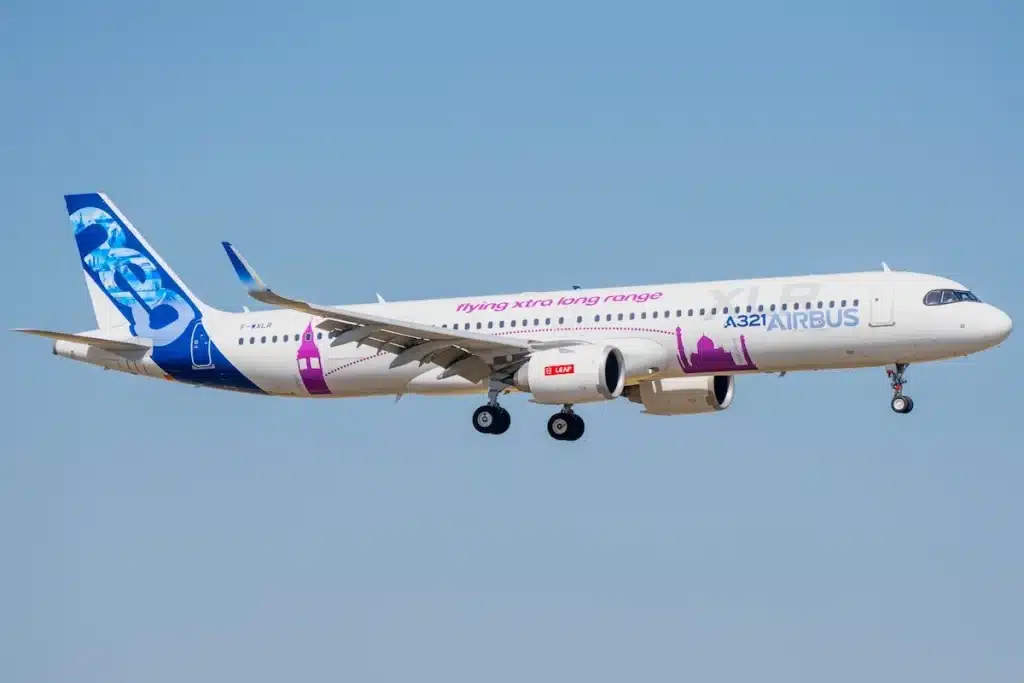
Dubbed the Coastliner, the A321 subfleet and especially the Airbus A321XLR, which will be joining the airline’s network soon, is part of the replacement, with 100 new aeroplanes coming into the fleet from this family. The airline says it will replace 40 older, less efficient Boeing 757s.
The aircraft will feature an elevated interior and a new all-aisle-access leather flat seat in United Polaris, with a design that offers more elbow and shoulder room and lower suite walls that still protect privacy, all while maintaining an open feel.
The Coastliner jets will fly exclusively between United Airlines’ West Coast hubs in San Francisco and Los Angeles, alongside Newark Liberty and New York, with the A321XLRs having 32 premium seats, which is 16 more than the 757, which it’ll replace, with an expected debut to come later this year based on delivery guidance.
United Airlines’ Love For The 757
United inherited much of its Boeing 757 love from Continental, which built a transatlantic network from Newark on the type, with long, thin routes at its core operating on markets that couldn’t justify a widebody.
The combination of strong runway performance, paired with the economics of a narrowbody, meant that the 757’s base was perfect for United as its go-to tool for niche European services, alongside high-yielding US transcontinental operations and even domestic missions when required.
United Airlines has just over 60 Boeing 757s to its name, with 49 listed as active. Based on available fleet data, 17 of the airlines’ Boeing 757-300s remain active, followed by 32 of the 757-200s, the latter significantly older, with an average age of 29.2 years.

United configured even part of the fleet with a more premium heavy cabin to meet growing passenger demand and offer greater options when serving premium markets.
Even as the aircraft began to age and some models entered their third decade of service, compared to other jets that would typically be long retired, United Airlines has continued to operate them. Now the final retirement is directly linked to the Airbus A321XLR product and other inbound jets.
Why The Boeing 757 Is Hard To Replace
The Boeing 757’s unique blend of capacity and performance, with additional runway and airport flexibility, has meant it sits squarely in a market gap that next-generation aircraft cannot fill, despite their best efforts.
While United’s solution has been to lean on the emerging Airbus A321XLR and, at times, even the smaller Boeing 787-8, it’s not alone in the struggle to replace the 757, with neither Airbus nor Boeing putting forward a dedicated, direct replacement.
At competitor Delta, the ambition has long been to find something similar to the Boeing 757, which the A321neo family has filled the void for, and even to leverage the 767 where possible. However, this is an aging type in its own right. The business openly admits there’s no perfect replacement.

This stems from Boeing’s decision to shelve the new mid-market aeroplane known as the NMA, formerly dubbed the 797, a key talking point across the 2010s as a model intended to fill the gap between the MAX and the 787, which was emerging but was shelved for a plethora of reasons.
Both carriers now look to continue to deploy their 757s on mission-critical routes where these newer jets may be perceived as not as ideal; however, nonetheless, with the aircraft aging, replacement is still on the cards, for United Airlines it knows the jet has been relevant far longer than it and Boeing would’ve expected; its life far exceeding any expectations that were set out for it.

ABOUT THE AUTHOR
Daniel Fowkes is a Melbourne-based aviation analyst and journalist with over a decade of industry experience. As founder of Dj’s Aviation, he delivers trusted analysis on aircraft, airline strategy and global aviation trends for djsaviation.net
Related Articles




Stay Informed
Get the latest aviation news, analysis and route updates delivered to your inbox.
We respect your privacy. Unsubscribe at any time.
Enjoyed this story?
Make us your go-to for aviation news
Add us as a preferred source on Google and see our latest stories first in Top Stories.
Add Us On Your News Feed