
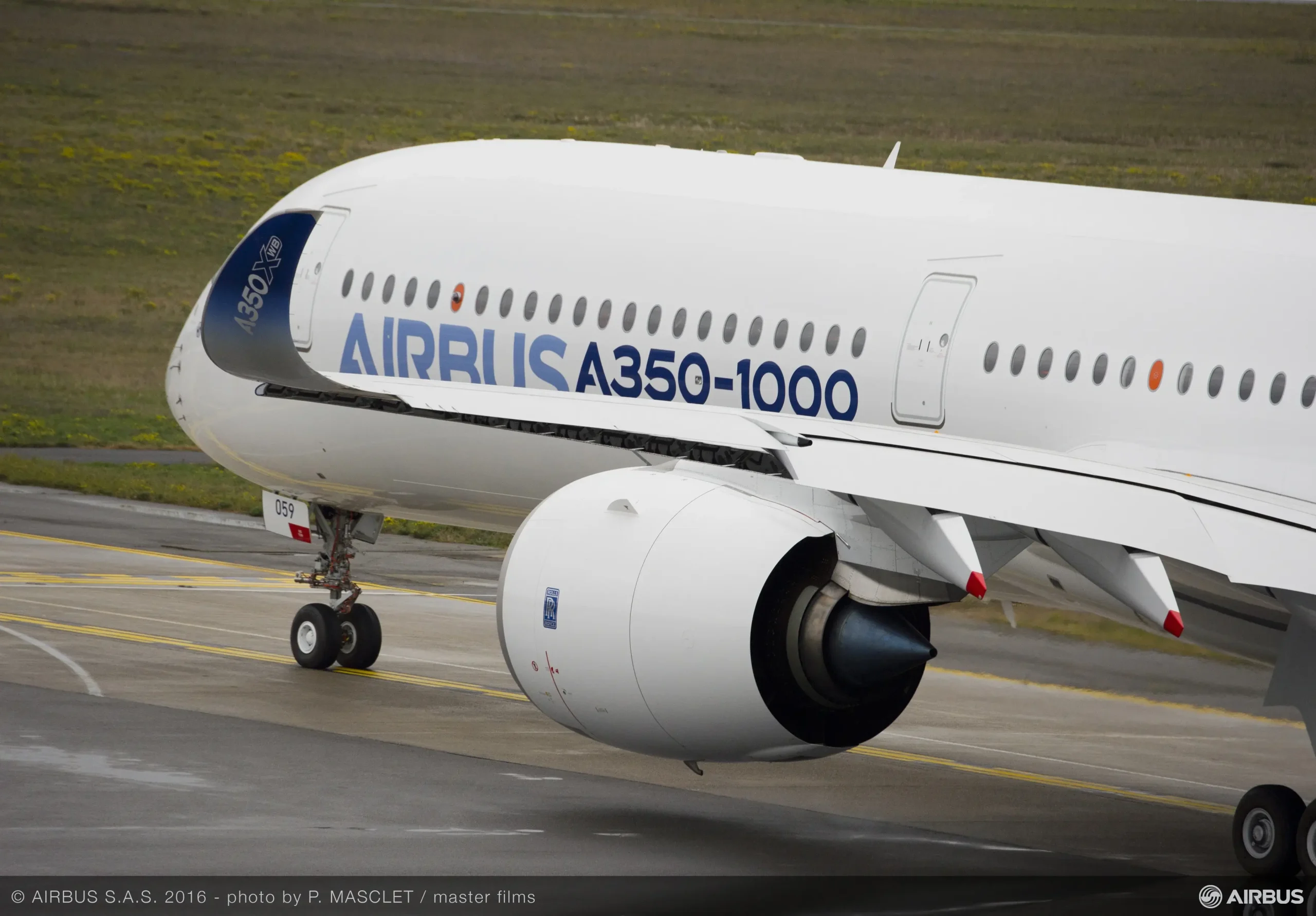
Airbus is continuing to work behind the scenes on its prospective larger A350 dubbed the A350 Stretch or A350-2000, according to chief executive Guillaume Faury.
In fresh updates following the quarterly earnings call on 28 October 2026, Faury said assessments are ongoing, with discussions being held with customers, engine manufacturers, and other suppliers to understand the case for a launch.
The jet, firmly in the pre-launch phase, hasn’t been greenlit or shelved, with vital studies now determining the direction the planemaker chooses and whether airline customers like Emirates, eagerly awaiting a larger-capacity widebody, get their wish.
Caution, however, remains at the forefront of any comments from Faury and his executives at Airbus, as work toward a decision does not guarantee a launch.
Airbus is currently studying the A350 Stretch alongside a stretch of the A220, which would evolve two existing passenger products to meet growing demand for more seats on longer journeys without risking commonality and a clean-sheet investment.
A350 Stretch remains a focus at Airbus
Faury said the assessment currently covers the proposed aircraft configuration, if it proceeds, alongside what airlines would need inside and outside the plane to make it a suitable choice for their operations if launched.
Furthermore, after more than half a decade of supplier challenges, the priority is to work closely with the suppliers providing parts to Airbus and its factories for the existing certified widebodies to determine whether a new stretch could be managed.
Airbus already struggled with output on its A350 family, and these variants have been certified for some time. Adding another model on top of the upcoming A350F and A350-1000ULR would complicate the production line, but that wouldn’t be an issue if suppliers could manage the workload.
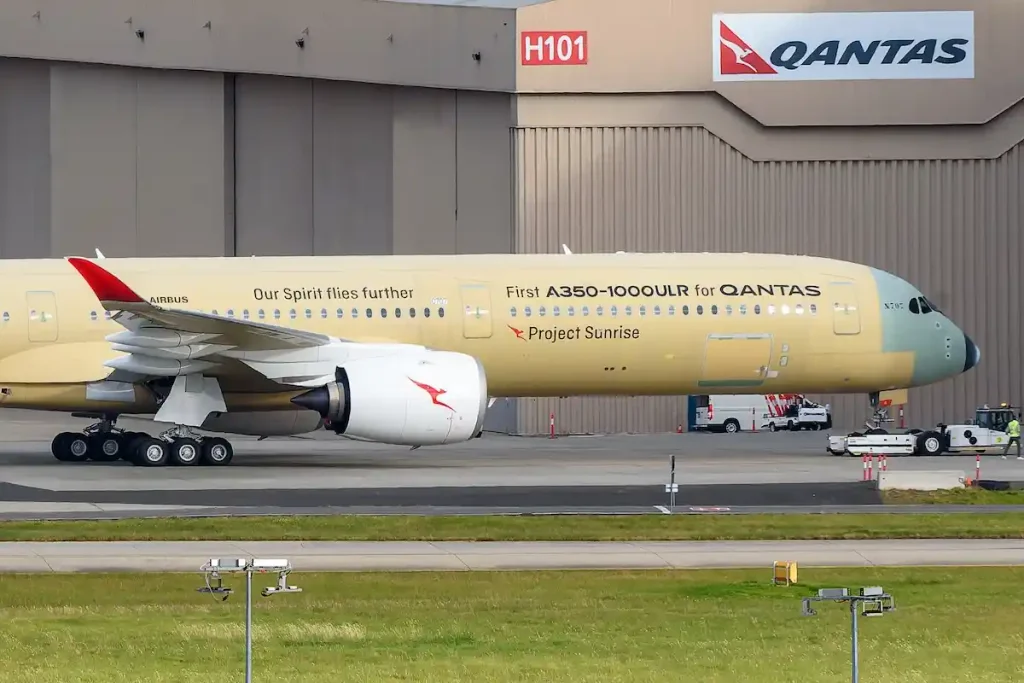
Therefore, Airbus hasn’t committed to the A350-2000, which it says still doesn’t have a designation. Customer discussions are vital to supporting one of the many pillars needed to launch this type of aircraft.
Airbus also knows propulsion is a strong focus for the A350; without confirmation on how the type would be powered, the manufacturer and engine providers are still discussing the preferred solution.
The choice of engine, something that Faury says drives a lot of the assumptions and has a lot of implications, then depends not just on what the aircraft and its performance will look like but, vitally, on the business case being studied today that would enable a launch to take place.
Airbus must establish the propulsion system and find a platform that not only delivers capacity and performance but also supports the wishes of airlines that have shown interest in the type, with several speculated based on executives commenting on the feasibility studies and backing.
A350 production is still an issue for Airbus
Despite the focus on the A350, Airbus also recognises that producing several existing commercial families, including the now-leading widebody, is complicated.
Alongside the Stretch studies, Airbus is also trying to determine how to support production of the A350 family beyond 12 units a month. Faury says that strong demand exists for the family and there’s a natural means to increase output, but first they must determine whether the opportunity can be realised.
The current commitment is to reach beyond 12 units, but that commitment may not be realised if suppliers cannot support the rate increase in the medium term; if that were to pan out, there would then be concern for an A350 Stretch.
Airbus is committed to building production to a stable 12 units a month by 2028, but earlier this year it told customers of the family to expect delays in handing over the type for the remainder of the decade.
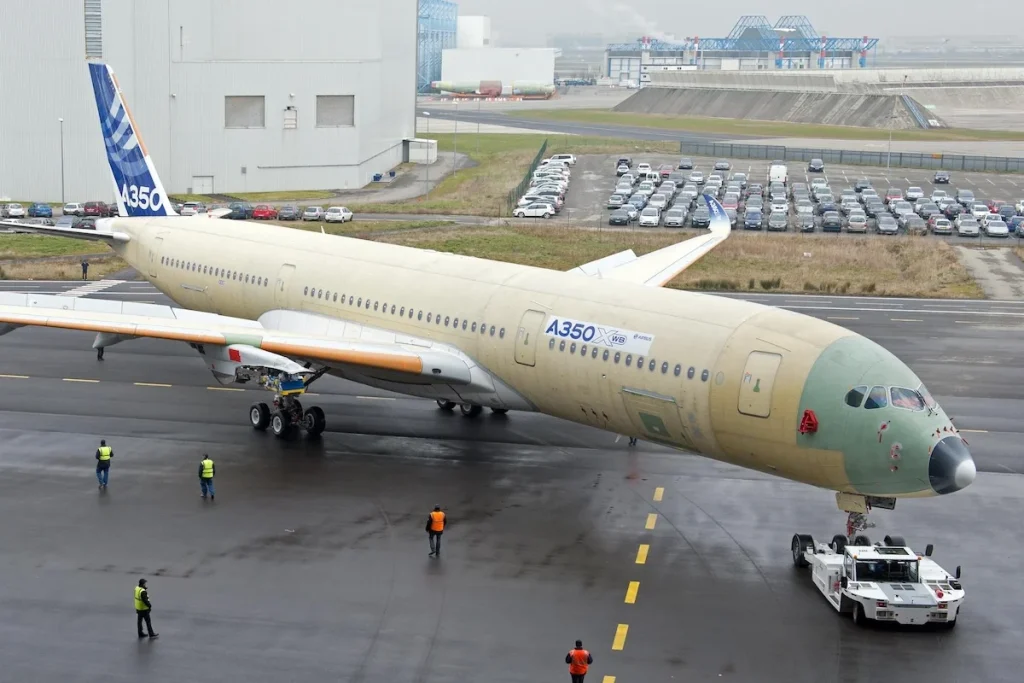
Supplier constraints have been a huge problem for Airbus this decade, and Faury has linked those struggles directly to decisions made during the pandemic, which in hindsight proved to be the wrong ones.
During the pandemic, suppliers massively downsized to cut costs and cope with reduced demand and uncertain economic conditions. When demand surged back, though, slashing workers and output proved costly and nearly impossible to reverse, constraining Airbus’s growth.

ABOUT THE AUTHOR
Daniel Fowkes is a Melbourne-based aviation analyst and journalist with over a decade of industry experience. As founder of Dj’s Aviation, he delivers trusted analysis on aircraft, airline strategy and global aviation trends for djsaviation.net
Related Articles




Stay Informed
Get the latest aviation news, analysis and route updates delivered to your inbox.
We respect your privacy. Unsubscribe at any time.
Enjoyed this story?
Make us your go-to for aviation news
Add us as a preferred source on Google and see our latest stories first in Top Stories.
Add Us On Your News Feed