
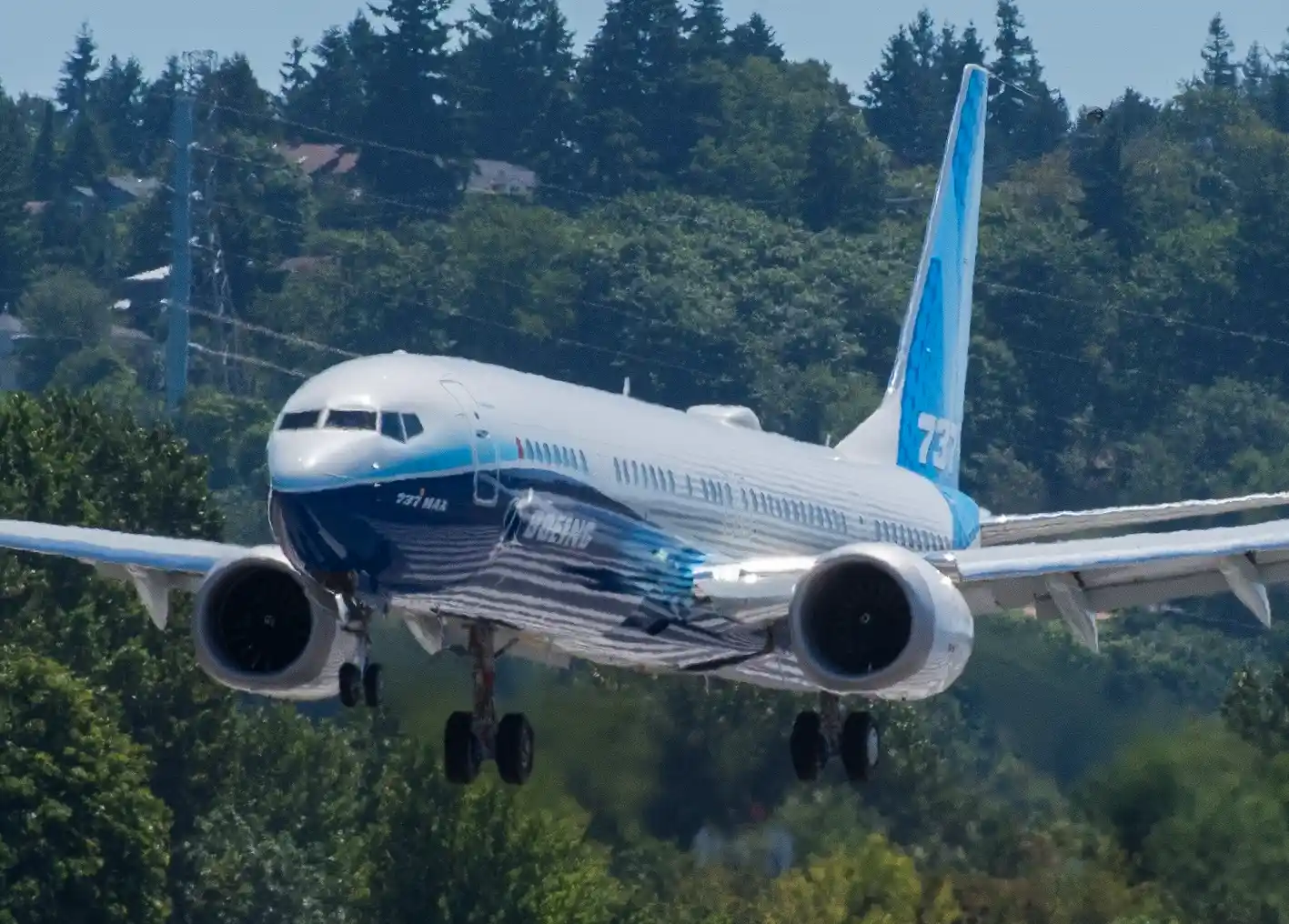
Boeing’s last 737 MAX variant awaiting approval, the 737 MAX 10, is reportedly days away from the Federal Aviation Administration’s green light, according to new reports.
The planemaker, after positive discussions with the FAA’s Type Certification Board on Friday 16 October 2026, is expected to receive the decision imminently.
The 737 MAX 10, now rebranded and more widely marketed as the 737-10, would, once approved, end a MAX family saga that has stretched through the 2020s after years of technical and regulatory difficulties that have caused several sustained delays.
Once approved and handed down, Boeing can clear the final hurdle that has prevented delivery and begin preparing the first units for handover to airlines that have battled six years of delays.
FAA gets closer to approving the Boeing 737 MAX 10
The Air Current, supported by further industry reporting, confirmed that the FAA met with Boeing and the Type Certification Board, completed the final work on the 737 MAX 10, and held positive discussions.
The management teams’ meeting was positive and led to vital discussions suggesting approval was imminent and could come as soon as next week. However, sources say Boeing and the FAA did not confirm that timeframe, and it remains subject to change.
A prospective approval next week wouldn’t be the first time the 737-10 was expected to get the FAA nod, only to fall through. The closest the jet got was in late September 2026, when Alaska Airlines said it expected approval within days, but by the end of the month, it fell through.
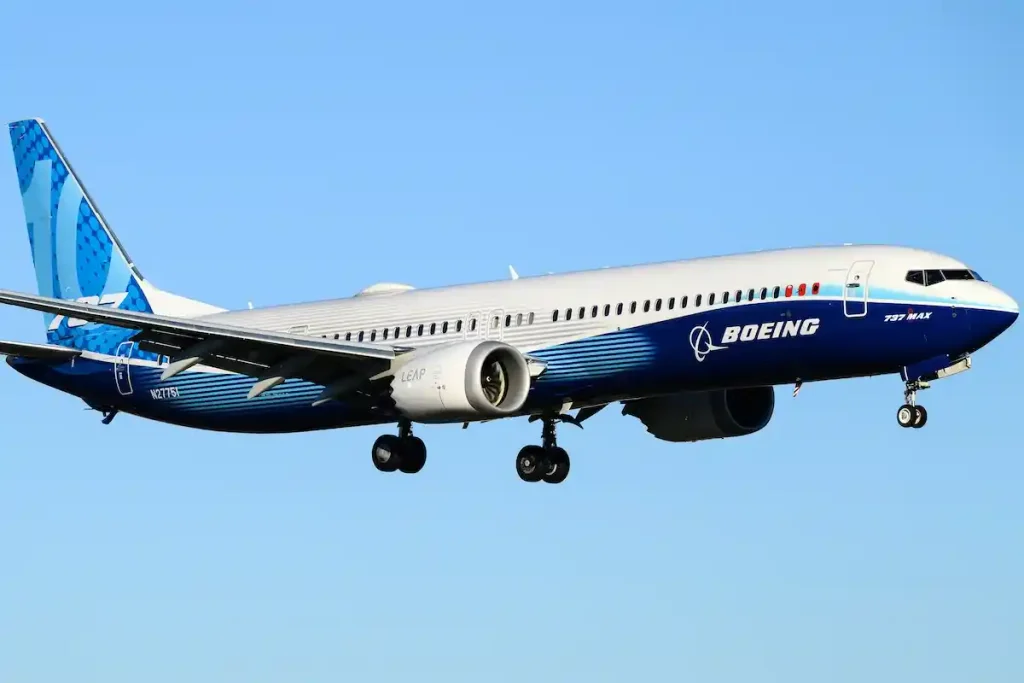
Boeing chief executive Kelly Ortberg said completing final flight testing in recent months was a positive step toward the final documentation, which, while grueling in its own right, wasn’t the same as putting the jet through its paces in the air.
Expectations of a September certification slipped after a software problem was identified and the FAA began investigating it to ensure it posed no flight-safety risk, meaning Alaska Airlines’ predictions were quickly thrown out the window.
Software halts the 737 MAX 10 approval
The development of a software concern on the MAX family represents the latest, and what Boeing hopes is the last, obstacle to approval for the last remaining and largest variant.
Involving the flight management system’s vertical navigation function, or VNAV, the concern was that, in certain circumstances, it could disable as pilots prepare for another approach after a go-around.
If VNAV disables at that crucial last minute during a go-around-and-re-approach scenario, when pilots are more alert and workload unexpectedly increases, they would not only have to take additional steps to restore the function but also operate more manually, increasing workload.
As part of the latest delay in the 737-10s certification program, the FAA, per its administrator Bryan Bedford, needed to review the MAX software and determine that it posed no safety anomalies before proceeding with the final airframe documentation on 28 September 2026.
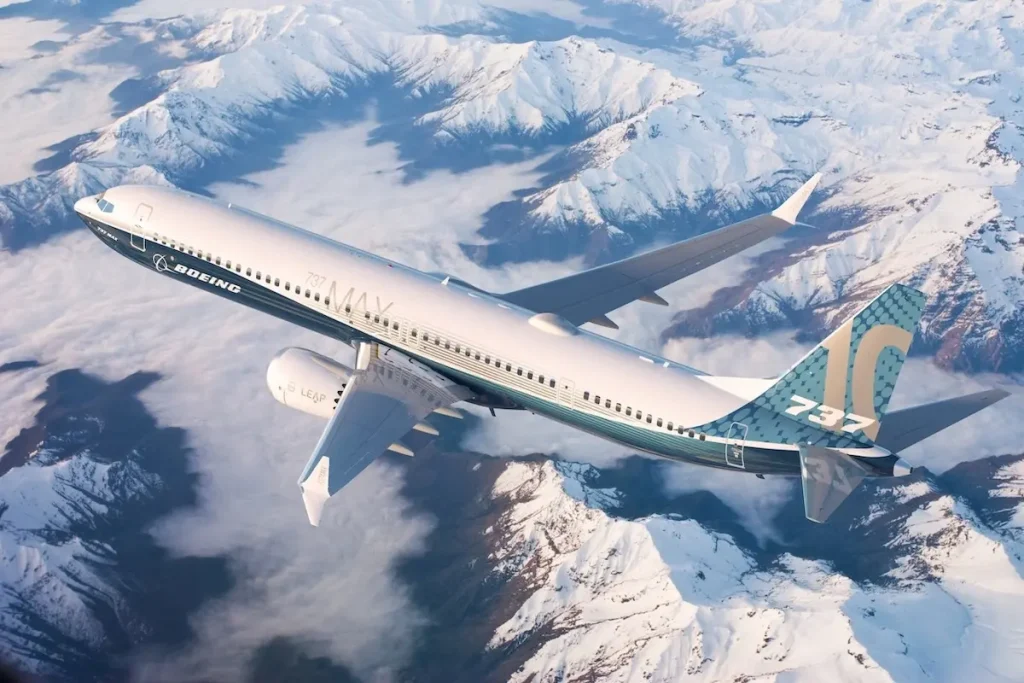
By October, after Ryanair said it expected the delays to be days rather than weeks or months, the FAA determined the software posed no safety risk to the aircraft or pilots. The FAA issued the decision because pilots still appeared able to retain control of the aircraft, and it provided clear indications.
FAA test pilots reviewed the issue in a simulator. They also worked in the field with airlines such as WestJet, which brought it to Boeing’s attention, to determine the outcome and whether a directive was needed.
While the finding was positive for the 737-10s certification campaign, it still ultimately requires a software update and remediation, which the planemaker is working toward through a new, installable software update. The result is good news for the manufacturer, which avoided another prolonged delay to certification if the FAA had determined the software issue was a safety concern and thus forced a complete rework of systems and halted final documentation on the jet.
Airlines can begin preparing for the 737-10
FAA approval for the 737-10 will mark the end of a chapter for Boeing, one to forget so much as learn from, but for airlines that have been patient for over half a decade, the green light is a huge weight off their shoulders.
Certification and entry into service are two separate barriers that go hand in hand, with certification paving the way for preparations to enter the jet into service and, while not immediate, sending the clearest signal to airlines that they can begin planning for the type’s introduction.
The 737-10 has quickly risen Boeing’s commercial-airplane ladder for performance, with nearly a third of outstanding orders for the highest-capacity model awaiting approval. In an era when capacity is crucial for airlines, this single-aisle platform, similar to the A321neo’s success, aims to increase seat capacity without forcing airlines to commit to a larger product like the 787 Dreamliner.
The prolonged delays have given Airbus ample time to size this lucrative market, with its A321neo extending to derivatives such as the A321XLR and becoming the industry’s best-selling series year after year. Despite Airbus’s sustained success, the 737-10 has carved out a crucial customer base that has remained patient, even as frustrations are evident.

ABOUT THE AUTHOR
Daniel Fowkes is a Melbourne-based aviation analyst and journalist with over a decade of industry experience. As founder of Dj’s Aviation, he delivers trusted analysis on aircraft, airline strategy and global aviation trends for djsaviation.net
Related Articles



Stay Informed
Get the latest aviation news, analysis and route updates delivered to your inbox.
We respect your privacy. Unsubscribe at any time.
Enjoyed this story?
Make us your go-to for aviation news
Add us as a preferred source on Google and see our latest stories first in Top Stories.
Add Us On Your News Feed