
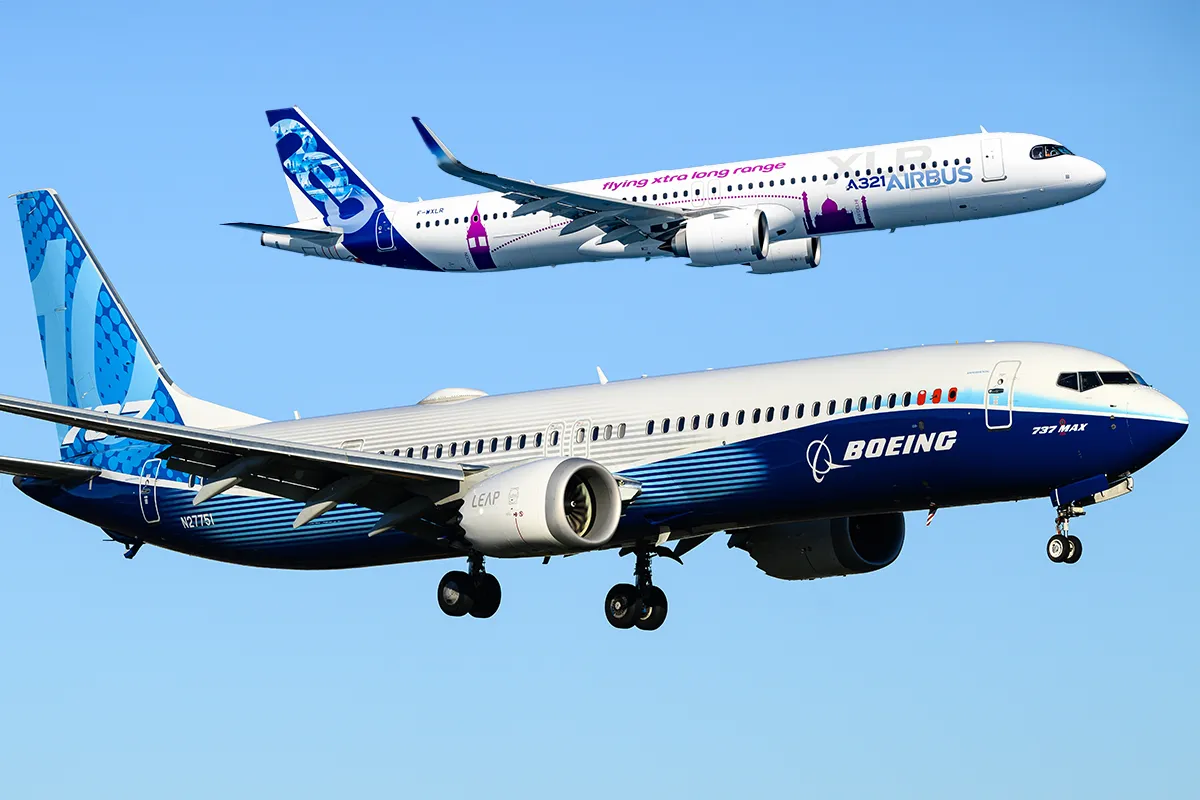
The Boeing 737 MAX 10 and Airbus A321neo are the most advanced narrowbody aircraft in the sky.
Airbus has dominated the next-gen middle market for a decade with the A321neo. But Boeing is preparing to capture market share with its competing 737 MAX 10, which is set to launch after years of delays.
Boeing’s launch will give airlines a chance to review their strategies and decide which aircraft offers better value.
An Overview of the Boeing 737 MAX 10 and the Airbus A321neo
The middle market segment for short- to medium-haul routes is a popular category for airlines. For years, the A321neo was in a class of its own. With the arrival of the 737 MAX 10, two similar aircraft now meet airlines’ needs to upgrade their narrowbody fleets.
Both aircraft feature a single aisle and are designed to withstand high-density routes thanks to increased seating capacity. Both are next-generation aircraft featuring the most advanced technology from their respective manufacturers to ensure strong performance over the next decades of flying.
Airbus first delivered the A321neo in 2017. It’s the “new engine option” of the original A321, improving fuel burn and range. The A321neo is 15-20% more fuel-efficient than the CEO model and can travel nearly 2,500km further. It also offers a quieter cabin experience for passengers, which is beneficial on longer routes.
The A321neo measures 44.5 metres long and accommodates 180-220 seats. It has a range of 7,400km (4,000nm).
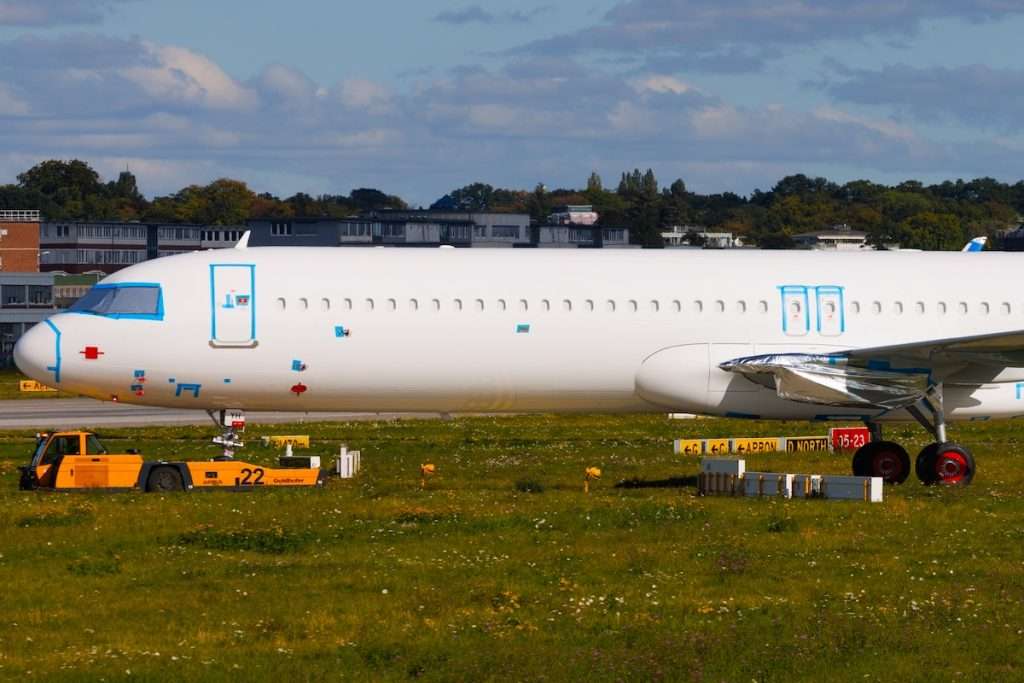
The Boeing 737 MAX 10 is the longest variant in the 737 MAX family. Compared to the original 737 family, the MAX variant features more advanced engines, redesigned split-tip winglets, and 20% less fuel burn. The programme was announced in 2017, the same time the A321 was first delivered. However, certification delays have pushed the delivery date to 2027, before it enters commercial service.
The 737 MAX 10 measures 43.8 meters long and seats 185-210 passengers. It has a range of 5,740km (3,100nm).
Biggest Customers for the Latest Narrowbody Aircraft
The A321neo has a head start on the 737 MAX 10. Its large backlog of orders shows airlines value it in their fleets.
The A321neo began receiving firm orders in 2010, when the programme launched, and began delivering in 2017. As of August 2026, the A321neo has more than 7,800 orders and 2,200 deliveries. Its biggest customers are IndiGo (700 orders), AirAsia (364 orders), Wizz Air (284 orders), and Frontier Airlines (176 orders).
Beyond these budget carriers, even legacy airlines are adding them to their fleets. American Airlines ordered 169, Delta Air Lines ordered 155, and United Airlines ordered 130. Demand remains strong, as Saudi Arabian low-cost carrier Flynas placed a large order for the A321neo in Summer 2026.
The 737 MAX 10 is expected to begin deliveries in 2027. However, it’s already amassed a large order backlog before it’s even certified. The first orders came in when it was announced in 2017, and it has since reached approximately 1,500 firm orders as of Summer 2026.
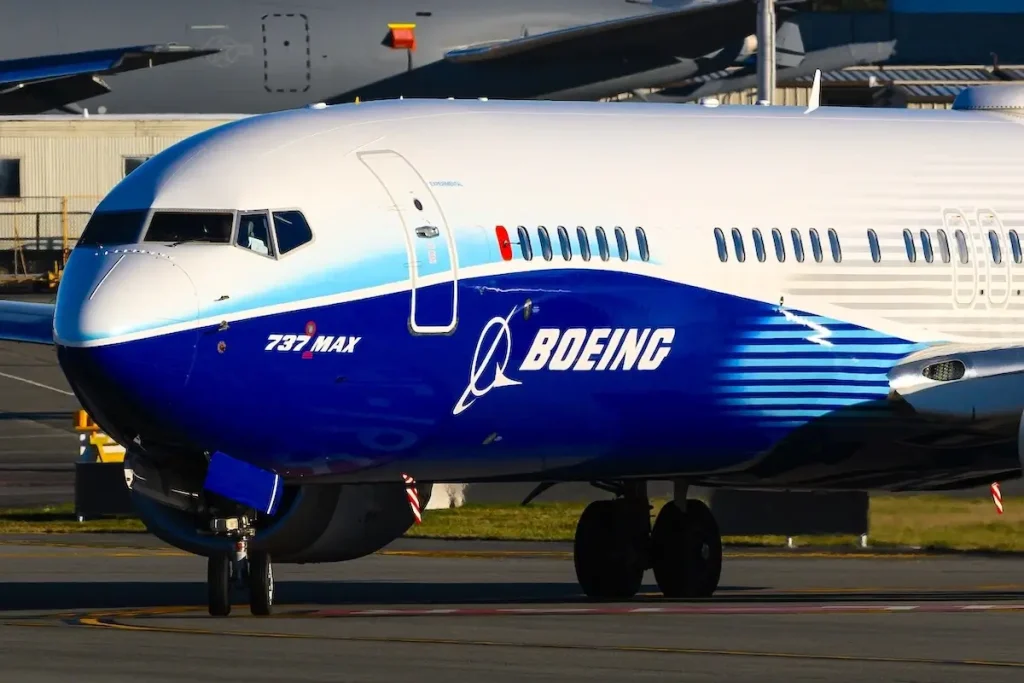
United Airlines is the largest customer by a large margin, with more than 250 firm orders. Delta Air Lines is also a big customer with a firm order for 100 and an option for 30 more. Other airlines that have placed orders include Alaska Airlines, Lion Air, Malaysia Airlines, Ryanair, Virgin Australia, WestJet, and more.
Some of the same customers appear on the order logs for both aircraft. This signals that the aircraft aren’t always competing. Instead, airlines are finding ways to make them work together.
Competing or Complementary Aircraft
At first glance, the A321neo and 737 MAX 10 are very similar. The advanced engines on both aircraft make them viable for transatlantic and transcontinental routes. They’re also useful for budget carriers, which can use their high-density seating arrangement to maximise revenue on each flight. But slight differences in design and functionality can make a big difference in how airlines use them.
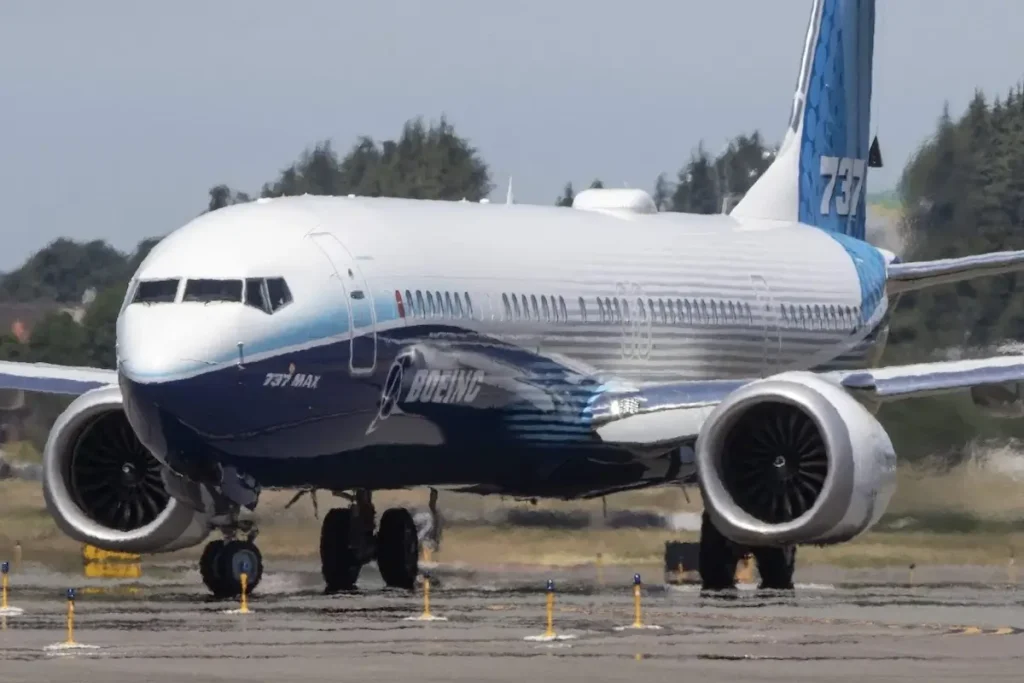
The 737 MAX 10 is shorter and lighter than the A321neo. Its fuel efficiency will make it a better revenue generator on high-demand routes, such as coast-to-coast flights in the US or inter-European routes. It’s flexible enough to do short-haul routes profitably, but it falls short on longer transatlantic flights that may require filling fewer seats to reach its furthest range.
The A321neo supports a higher maximum takeoff weight, allowing it to carry more fuel. These features make it better suited to long, thin transatlantic routes while still offering flexibility on medium-haul routes thanks to its narrowbody size. The cabin is also slightly wider than the 737 MAX 10, which makes a big difference in seat size. Larger seats give passengers more comfort on the longer flights.
The flexibility of each aircraft lets airlines use either one on many routes. The ability to interchange them benefits airlines because each has large backlogs. Airlines planning large fleet renewals, such as Delta Air Lines and United, have ordered both and can fulfil their orders much faster than if they relied on only one model.
Growing Demand for High-Capacity, Single-Aisle Aircraft
Airbus’ monopoly on a middle-market next-gen aircraft is coming to an end as Boeing’s 737 MAX 10 gets closer to delivery. The A321neo and 737 MAX 10 both let airlines increase seat capacity to meet growing demand without upgrading to a widebody aircraft.
Many of the airlines that have already placed orders operate with a point-to-point model. Both aircraft appeal to airports facing growing constraints on gate slots. Their size lets them operate in smaller airports, and their fuel efficiency makes them viable options for increasing flight frequency while remaining profitable.
The A321neo is the perfect upgrade to replace aging A321ceo and A320 fleets. The 737 MAX 10 delivers the same benefits, replacing the 757-200 and 737. Having two comparable models allows airlines that prioritise fleet commonality to stay with the same manufacturer and achieve the same efficiency with either aircraft.

ABOUT THE AUTHOR
Bryan Shelmon is an aviation journalist with 10 years of experience covering commercial aviation, private aviation, airports, aircraft and wider industry news. Based in the Detroit metropolitan area, he has contributed to publications including Lonely Planet, Matador Network and Visit Detroit.
Related Articles




Stay Informed
Get the latest aviation news, analysis and route updates delivered to your inbox.
We respect your privacy. Unsubscribe at any time.
Enjoyed this story?
Make us your go-to for aviation news
Add us as a preferred source on Google and see our latest stories first in Top Stories.
Add Us On Your News Feed