
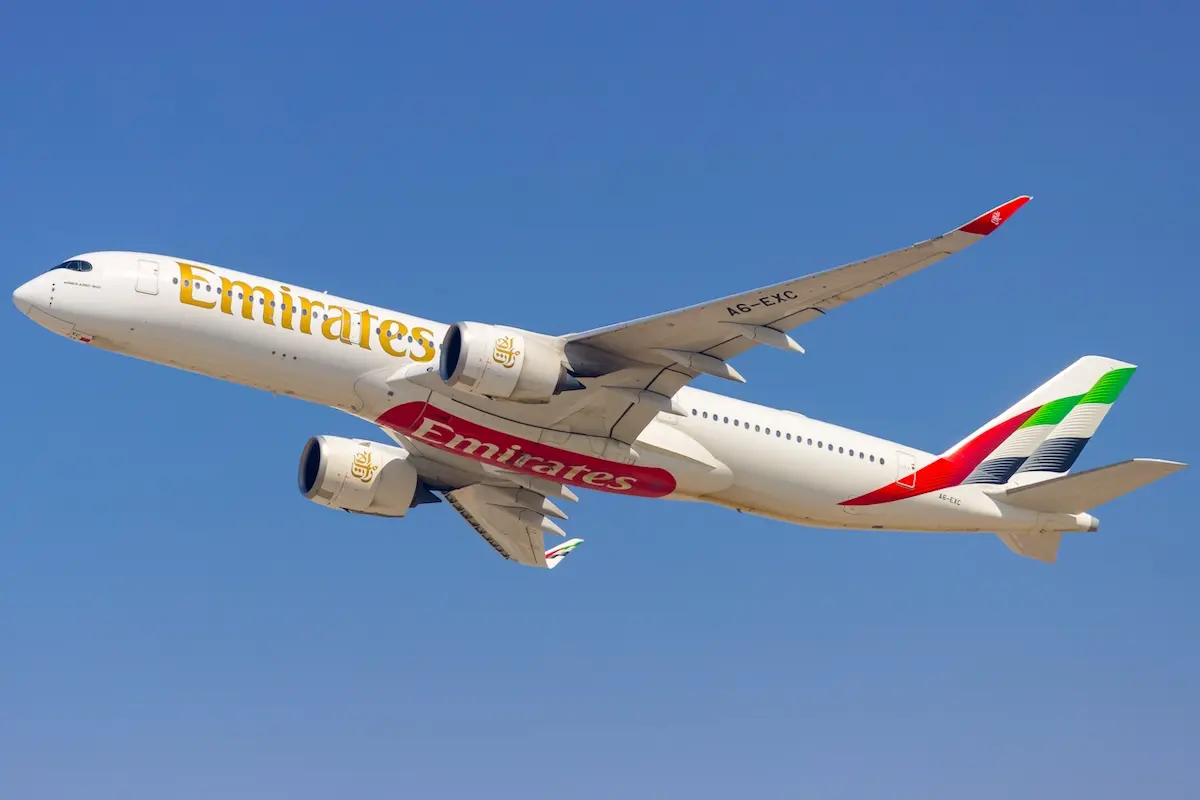
Emirates has brought forward the debut of its Airbus A350-900 to Kuala Lumpur, with the aircraft set to begin serving the city from 1 September 2026.
The Dubai-based carrier’s change comes three months earlier than expected, with the jet replacing a higher-capacity Boeing 777-300ER on one daily flight; EK344/345 will initially operate the service.
By deploying the Airbus A350-900 to Kuala Lumpur, Malaysia also welcomes its first scheduled A350 service from Emirates, marking a changing of the guard as the airline leverages its mid-sized widebody on city pairs, freeing up larger models.
Previously, Emirates had intended to begin serving Kuala Lumpur with the A350-900 on one daily flight from 1 December 2026, but will instead bring the debut forward by three months, with a slight configuration adjustment.
Instead of the larger 312-seat configuration, the airline will initially deploy the 298-seat version; one month later, on 1 October 2026, it will deploy the 312-seat model.
Emirates Dubai To Kuala Lumpur Schedule Revealed
As part of the A350’s debut, Emirates’ frequencies will remain unchanged, with three daily flights between Dubai International Airport and Kuala Lumpur International Airport. From 1 September, EK344/345 will transition to the A350-900, but the other two daily flights will continue to be operated by the Boeing 777-300ER.
EK344 is scheduled to depart Dubai at 2115 with an 0835 following-day arrival in Kuala Lumpur. The return flight EK345 departs Malaysia at 1020 and arrives at the airline’s hub, Dubai International, at 1310.
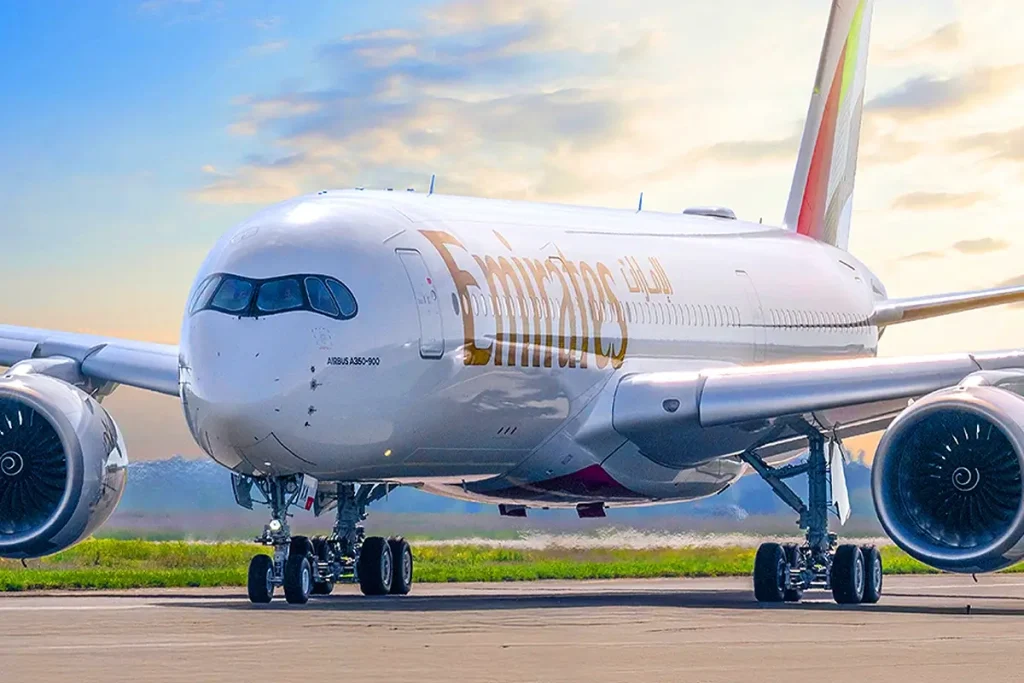
The other two daily flights depart Dubai at staggered times, ensuring arrivals in Kuala Lumpur in the morning, afternoon, and evening.
How The Airbus A350 Will Change The Emirates Experience
The Airbus A350 is the newest aircraft family Emirates has taken delivery of as it awaits the Boeing 777-9, but it also better matches the capacity needs of specific cities than the 777-300ER or A380.
Retaining a three- or four-class cabin layout, depending on the configuration and rollout of premium economy, has also ensured the Dubai-based carrier can cater to higher-paying passengers, driving stronger yields and margins.
The A350s feature the latest cabin design from front to back, but the premium economy product is the headline. This cabin, a step up from economy but below the upper business class product, has received positive reviews.
As airlines face volatility, the need to drive revenue and offset rising costs has never been more important. Many airlines, like Emirates, have responded by offering stronger premium products and increasing the share of premium seats on their aircraft, as these seats generate stronger returns.
While premium economy is a step above economy, it isn’t a radical shift that leaves more than half the cabin fitted with lie-flat seats, leaving most customers unable to purchase tickets. Instead, it’s a modest upgrade that unlocks additional revenue potential and meets passengers’ evolving preferences.

ABOUT THE AUTHOR
Daniel Fowkes is a Melbourne-based aviation analyst and journalist with over a decade of industry experience. As founder of Dj’s Aviation, he delivers trusted analysis on aircraft, airline strategy and global aviation trends for djsaviation.net
Related Articles




Stay Informed
Get the latest aviation news, analysis and route updates delivered to your inbox.
We respect your privacy. Unsubscribe at any time.
Enjoyed this story?
Make us your go-to for aviation news
Add us as a preferred source on Google and see our latest stories first in Top Stories.
Add Us On Your News Feed