

United Airlines is circling an early batch of 777-9s, part of the 777X, according to fresh reports following other customers rejecting these models.
Labelled by Leeham News as the “Terrible Teens’ saga that stretches on from the 787 programme, the fate of early-build 777-9s has been put up in the air after regulatory changes have forced heavy reworks to these earlier models.
United Airlines has yet to order the 777X, and no U.S carrier has committed to Boeing’s newest and largest flagship, but that may be about to change if reports turn out to be accurate.
Boeing Experiencing The Terrible Teens With 777X
The early build 777-9s are a problem, but this isn’t a first; back to the pre-737 MAX crisis days of Boeing, there were many 777-9s built in advance and ahead of a planned certification. Those builds came as the planemaker was confident the 777-9 would enter service in 2020 and these jets would therefore be delivered.
When two 737 MAXs crashed, the series was grounded, and intense scrutiny of Boeing’s relationship with the Federal Aviation Administration (FAA), particularly around delegated authority and the MCAS system, was put into the spotlight; question marks arose about other jets.
With the findings, the 777X was uncertified and put under deep scrutiny of its certification process to date. New approaches were taken after repeated delays, and the launch was repeatedly postponed.

Boeing, having admitted that it had added around $15 billion in charges to the program before it had even launched, took from customers whose jets were delayed and from the many other costs associated with the reworks.
While the delays mounted for the program. Boeing was also still grappling with the early-build 777-9s remaining in limbo without engines and with no progress on delivering them to customers. Closing the gap between the early builds and the final-certification 777-9 model became increasingly challenging and costly.
Emirates Rejects 777Xs: Opens The Door For United Airlines?
Emirates has headlined the story around the early-build 777-9s with an outright rejection of the first 10 or so 777-9s built for them, according to comments from President Tim Clark.
Clark says the jets are effectively half-life by Emirates’ standards before they are entered into service. Given the many modifications required to make them certifiable, they are of no use to anybody. The President compared their usability to that of a can of baked beans.
The comments should follow the confirmed scrapping of an Emirates-bound 777-9 known as WH007 and the seventh model built. The jet sat unflown in Everett for half a decade before it was scrapped in 2025 because the economics of the repair and rework made little to no sense. The costs associated with the scrapping added to the write-off in charges published on the programme.
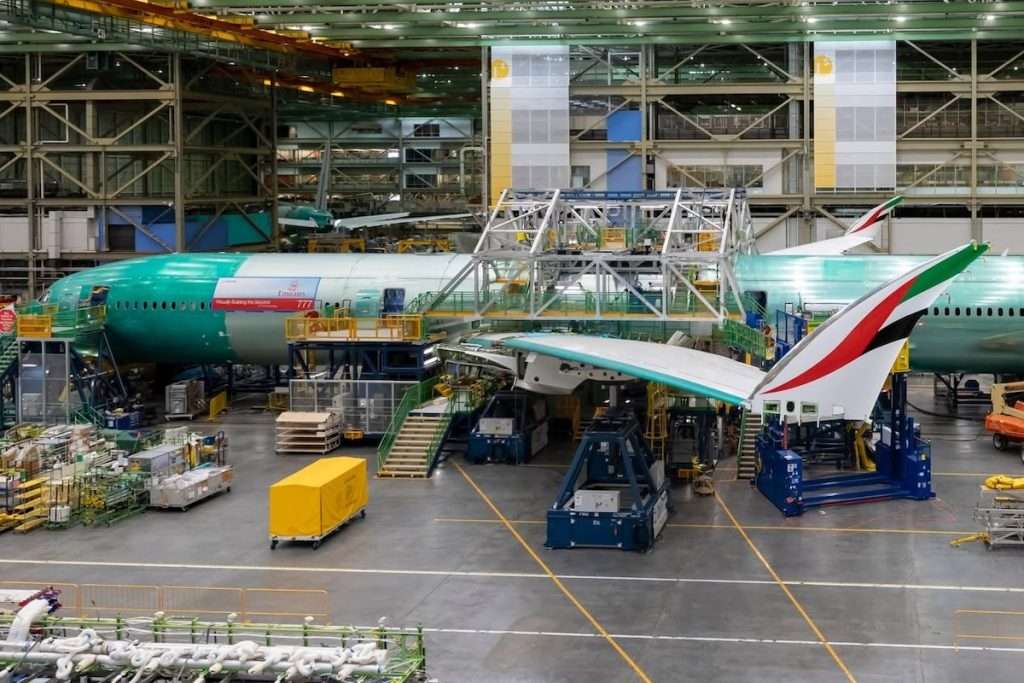
All of these comments from Emirates, the rejection of jets and such, mean that the Terrible Teens saga of the Boeing 787 Dreamliners has come back in a new jet. Leeham News is flagging the comparison piece and how early-build 787s experienced something similar because of the associated rework at the time, pushing airlines to reject them as well.
That rejection, now with the 777-9, has allowed United Airlines to enter, with market sources quoted by Leeham News suggesting the U.S carrier may be eyeing 20 of these early-build 777-9s as an opportunity to pounce and evolve its widebody flying and exploit weakness to secure a bargain.
United strongly relies on the 777-300ER for its operations but has yet to commit to the 777X, and has gone big on the 787 Dreamliner as the future of its long-haul operations. The largest fleet renewal and expansion has seen hundreds of widebodies on order in a push to premium travel; absent has been a true high-capacity jet.
With marquee Gulf customers rejecting the early-build models, Boeing is stuck in a predicament where rework costs are high, but if the market isn’t there, why spend the money? Instead, offloading them may make more sense and thus cut the losses sooner.
Boeing 777-9: A Fit For United Airlines?
If United were to proceed with the reported interest in the early build 777-9s, they would become the top capacity long-haul product in their fleet overnight and sit above the 787-10s and certainly the remaining 777-300ERs.
While adding another model to the fleet mix, they would help serve some of the core trunk routes where United is competing directly with the likes of British Airways, Lufthansa and Air France-KLM, such as through to London, Frankfurt, and other regions where capacity is strong enough to require a larger plane.
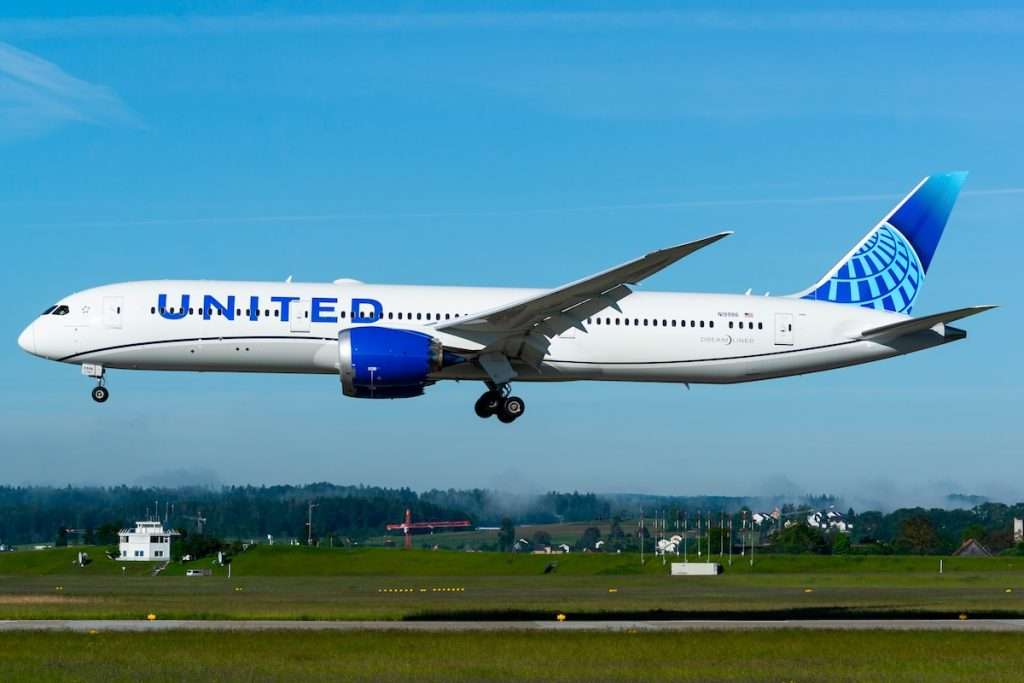
The space available to the business on the 777-9 means it’s not just for transatlantic or other high-demand routes, but also for high-yielding markets where premium and cargo volumes justify the use of a bigger twin and the opportunity to configure the units in a more premium-heavy layout.
United Airlines has been pushing for renewal and has thus far been heavily reliant on the 787 for the next generation of its fleet, as a long-standing A350 order remains dormant following several deferrals. The carrier has admitted that decisions need to be made on what’s next for the widebody makeup, but the 777X has often been left out of the conversations until now.

ABOUT THE AUTHOR
Daniel Fowkes is a Melbourne-based aviation analyst and journalist with over a decade of industry experience. As founder of Dj’s Aviation, he delivers trusted analysis on aircraft, airline strategy and global aviation trends for djsaviation.net
Leave a Reply
Related Articles




Stay Informed
Get the latest aviation news, analysis and route updates delivered to your inbox.
We respect your privacy. Unsubscribe at any time.
Enjoyed this story?
Make us your go-to for aviation news
Add us as a preferred source on Google and see our latest stories first in Top Stories.
Add Us On Your News Feed
Makes sense, I always thought the United would get the 777x but the -8 model instead. Getting the -9 at a great price could move the needle and help expand flights where the current 777’s can’t support. It would be interesting to see what cost would United get these planes for and how long would it take for them to get into production