
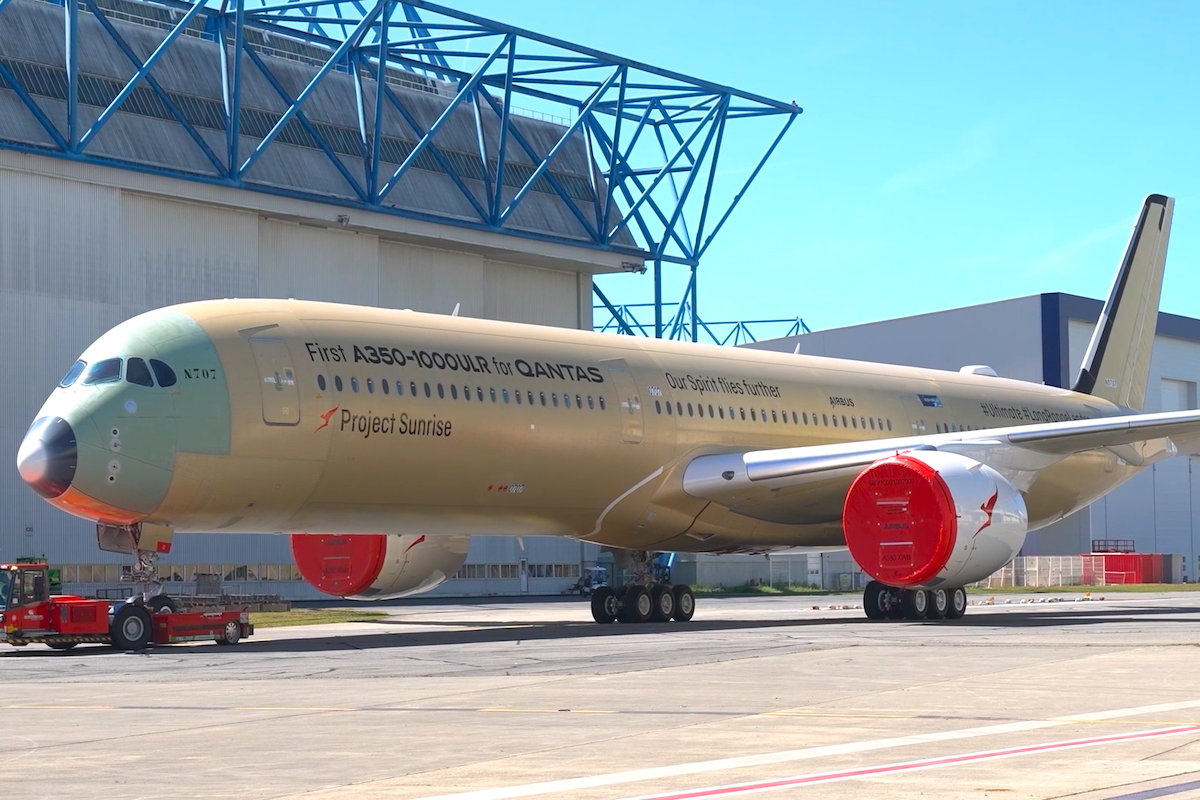
Qantas’ dream of flying nonstop from Sydney to London and New York has taken a further slip and now won’t debut until April 2027 at the earliest.
The A350-1000ULR, produced by Airbus, is integral to Qantas’s Project Sunrise initiative. However, its first model, as it progresses through production and rollout, cannot avoid delays.
Now, almost half a decade after the vision was first unveiled, the jet still isn’t in the airline’s fleet, and considerable patience is required, as the ambitious endeavour has yet to take off.
Another Slip In The Project Sunrise Launch
Qantas had been expecting to take delivery of its first A350-1000ULR this year, with the entry into service next year on these marathon flights. Now, that’s not happening; instead, the airline is expecting the first delivery in April 2027.
Project Sunrise will consist of 12 specifically modified A350-1000 jets, designated ULR (Ultra Long Range), enabling the 20-hour+ services the airline intends to deploy these jets on in the future.
For the moment, the reasons these exact Qantas aircraft have been delayed remain unclear; the more generic answer being put forward is supply chain issues, without detail, which has been a persistent reason for all prior delays.
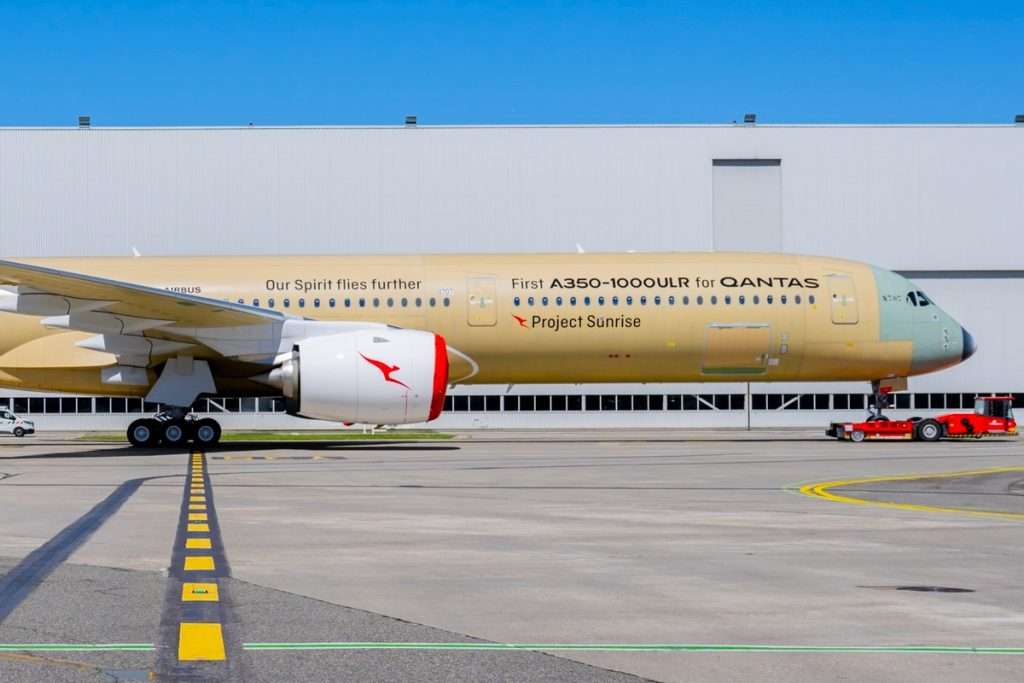
These A350s are central to the Project Sunrise plan; without them, the flights cannot begin. They will, once delivered and after completing familiarisation periods, shave more than four hours off one-stop itineraries to destinations such as New York and London Heathrow, but not just these cities; more will follow in due course.
Now, with the latest delay, if an April 2027 delivery is achieved, followed by months of familiarisation efforts across more short- to medium-haul operations, such as Auckland and domestic routes, a more realistic launch is late-2027 rather than the previous mid-2027 expectation.
How This Timeline Keeps Unravelling
While on-paper expectations can be a great overview of plans, the reality is that many on-paper forecasts rarely pan out as intended, and Project Sunrise has certainly felt like it was 18 months away for years and years.
The timeline, which has shifted similarly to the certification of, say, the Boeing 777X, dates back to before the 2020s, when the A350-1000ULR was the favoured option, but an order wasn’t placed as COVID-19 paused progress on the programme.
The final decision came in 2022, when 12 A350-1000ULRs were ordered. The hope was that the jets, despite their required production, modification, and certification, would be in their hands promptly. However, from the order onward, continued delays would become a problem.
Years after the purchase, it was acknowledged that the redesign of the extra centre fuel tank would be required for this modified A350-1000 jet, adding at least six months to the approval process, and that the delivery would be facilitated by mid-2026.
Then, one year later, in March 2025, Qantas revised its guidance again, stating that the first delivery would be more likely in late 2026 after yet another delay, with a debut scheduled for mid-2027. Now, in May 2026, another delay has emerged: Airbus informed the airline that the jet won’t arrive until April 2027, and the Project Sunrise launch will now be later next year.
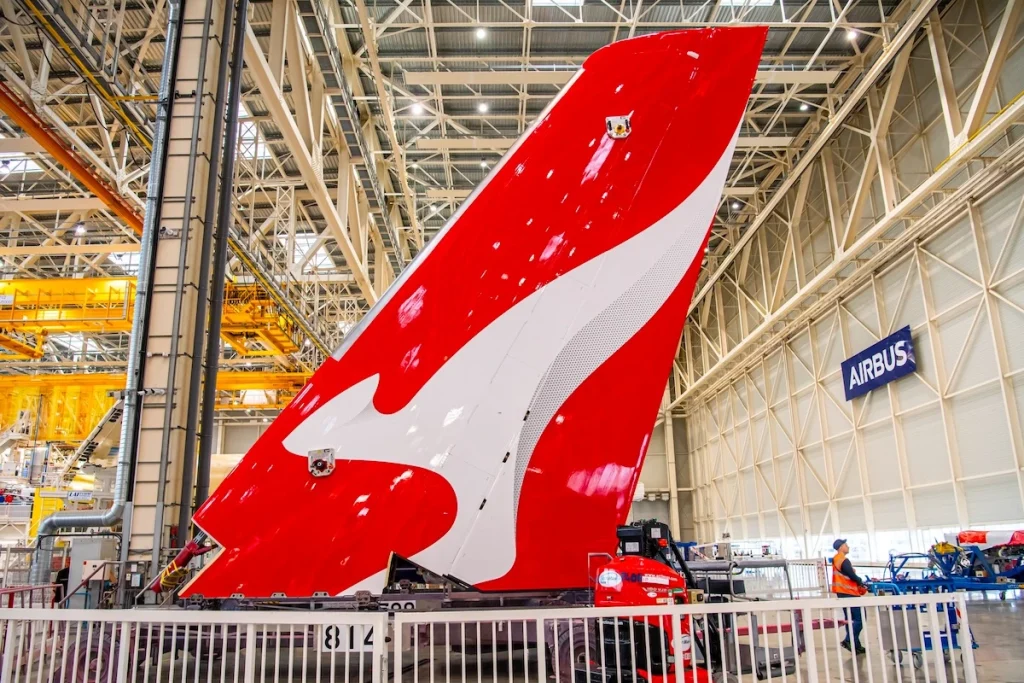
That said, progress continues to be made on the aircraft itself, with by late-2025 the key components of the aircraft coming together, then in April, the aircraft in the paint shop, test flights occurring, a rollout and much more with engines attached, even the second A350-1000ULR entered assembly earlier this year too.
What Is Happening At Airbus Then?
The delays affecting Qantas’ Project Sunrise A350-1000ULR jets are frustrating, and it’s not strictly about the airline, or even just the modifications to this widebody; it’s a combination of factors, both related and unrelated to the order and adjustments.
At the very least, it must be considered a Sunrise-specific model. The A350-1000ULR builds on the existing stock model, with the two being very different planes. The primary change is the addition of a rear-central fuel tank with around 20,000 litres of extra capacity, along with further structural and system tweaks.
These changes have been implemented to support the 20-hour+ hub missions that Qantas intends to offer. The EASA, which has been tight on certification, has pushed redesigns; this, in part, has contributed to some of the delays and can therefore be directly attributed to the fact that this isn’t a stock jet.

However, separately, what has played a bigger role industry-wide has been the long-standing supply chain issues at Airbus, and thus felt in the A350 programme. Just last week, the planemaker further informed customers of the passenger and freighter models that they should expect delivery delays later into this decade due to critical fuselage components being hard to source.
beyond that, staffing issues, slowed production of fuselage panels, a fractured in-house output plan, and more have all prevented the planemaker from shipping planes at the intended rate and matching airlines’ requirements for when they were set to take delivery of the jets per their contracts.
In 2025, deliveries did not match orders for the A350 family, with the manufacturer consistently selling more stock than it was sending off. Then, when you’ve got a specialised variant like the ULR slipping too, it’s a mess for the manufacturer, and those awaiting the type.
What Does This All Mean For Qantas?
Ultimately, there are many ways to view what these delays mean for Qantas; however, in the simplest terms, they mean Project Sunrise cannot launch. This is a highly touted, multi-hundred-million-dollar profit initiative, and, as such, the delays affect its market position, brand image, and plans.
No other aircraft can complete the airline’s Project Sunrise flights, meaning these nonstop journeys cannot proceed if delays continue. For the moment, the airline continues to leverage the 787 and A380 for long-haul flights.
Delays also complicate fleet planning. Now, multiple orders are still being juggled for domestic and international use, and retirements are also being delayed due to the delivery of new aircraft. Much of that reliance is also on Airbus jets, single-aisle and widebody, which are grappling with their own production constraints.
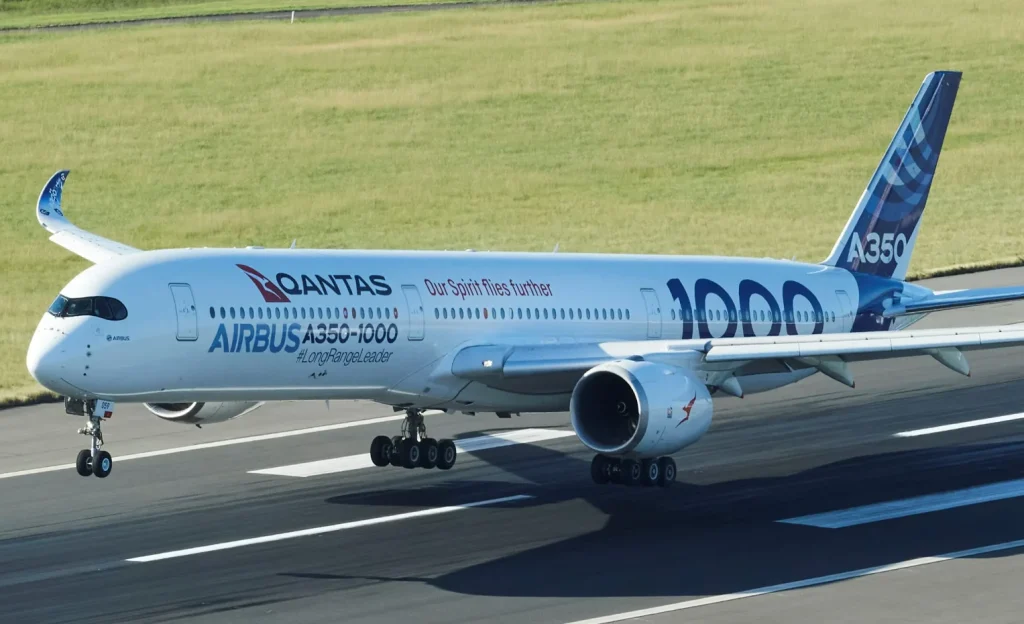
Frustrating for the business, each delay damages the excitement and reputation of this initiative, even if outside Qantas’ control, as it has to continue delaying upcoming plans, route launches, aircraft shifts, and more to account for it.
Ultimately, the deals are far from ideal. While it cannot be avoided, at the persistent rate the airline has been experiencing, this latest confirmed pushback isn’t the first, but the flag carrier would hope it will be the last, after years’ worth of complications that mean the launch of these marathon flights is still 15+ months away.

ABOUT THE AUTHOR
Daniel Fowkes is a Melbourne-based aviation analyst and journalist with over a decade of industry experience. As founder of Dj’s Aviation, he delivers trusted analysis on aircraft, airline strategy and global aviation trends for djsaviation.net
Related Articles




Stay Informed
Get the latest aviation news, analysis and route updates delivered to your inbox.
We respect your privacy. Unsubscribe at any time.
Enjoyed this story?
Make us your go-to for aviation news
Add us as a preferred source on Google and see our latest stories first in Top Stories.
Add Us On Your News Feed