

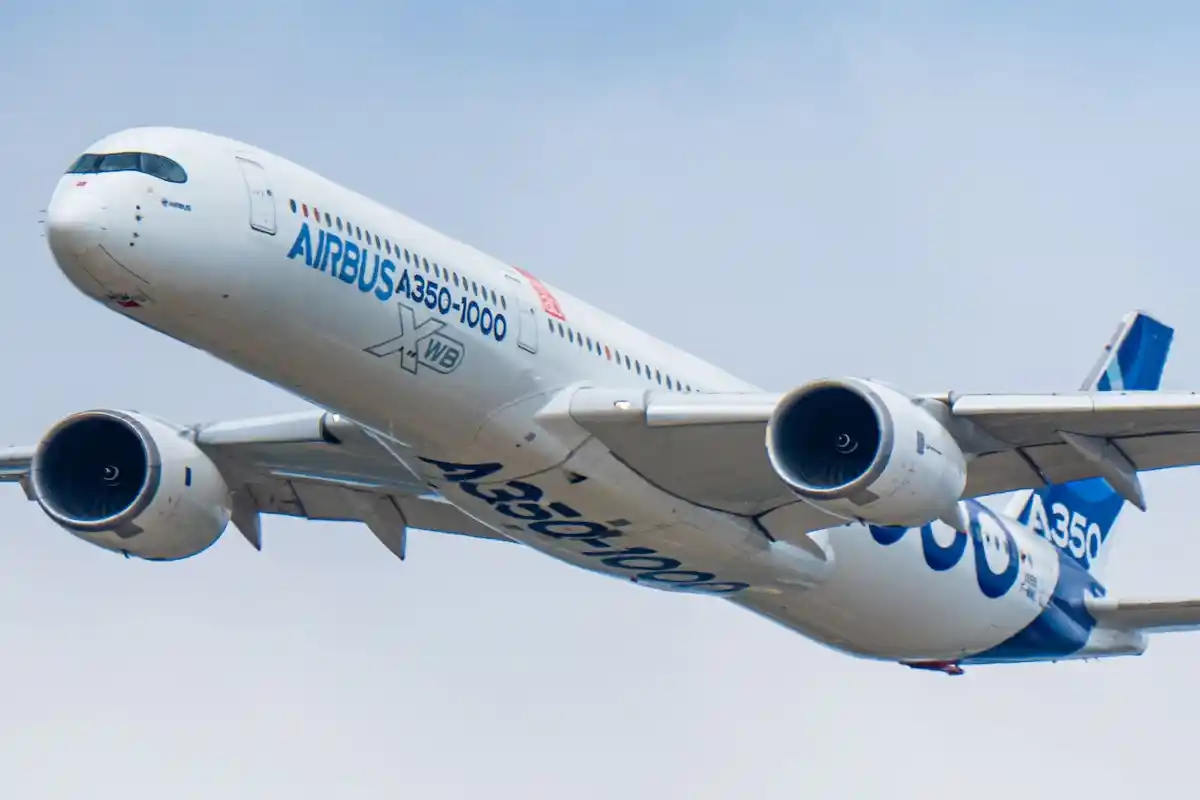
Qantas aims to lead aviation with nonstop Airbus A350-1000ULR flights between Sydney and London, considered the final frontier of travel.
Labelled Project Sunrise, its planning has been over a decade in the making and aims to leverage the capabilities of the A350 platform and push the boundaries further for marathon 20+ hour flights.
But how will the aircraft reshape the airline? What will it do for customers, and more importantly, will it change how airlines respond?
Project Sunrise Origins
Qantas launched Project Sunrise in 2017, a bold bid to conquer aviation and was labelled the “final frontier,” with direct nonstop flights from Australia’s east coast to destinations such as London and New York.
The concept takes its name from Qantas’ endurance, notably the Double Sunrise flights across the Indian Ocean, which spanned 27-33 hours and offered the opportunity to witness two sunrises.

Much of the interest surrounding the Project Sunrise launch followed the requirement for greater connectivity from Australia, its kangaroo routes all one-stop services via Dubai, Singapore or Los Angeles.
While a cornerstone of the Qantas network is stopovers that add hours to journeys, the airline is investigating ways to offer a nonstop, more efficient option.
Qantas launched Project Sunrise, with ambitions to change aviation forever, nearly a decade ago, and, in doing so, challenged Airbus and Boeing to deliver an ultra-long-haul jet that would make these routes a reality.
Qantas’ Record-Breaking Order
Qantas placed its record-breaking order for the aircraft that would fly Project Sunrise missions in 2022, selecting Airbus’ A350-1000ULR offer. This newly designed derivative would enable these longer flights while maintaining a base that could still accommodate suitable passenger capacity.
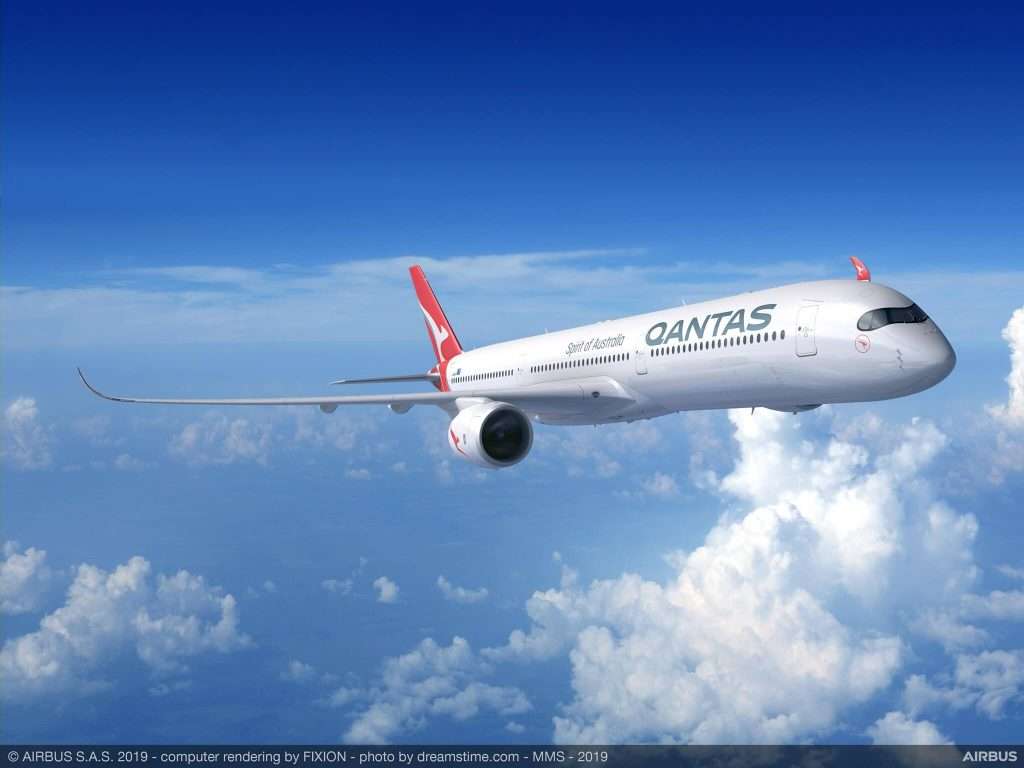
In the lead-up to this deal, Qantas had been studying the two options put forward to it in the A350 family from Airbus and the 777X family from Boeing, and had also conducted relevant ultra-long-haul flights aboard its 787 to collect passenger data and demonstrate the viability of the endeavour.
Although the COVID-19 pandemic delayed the order, which halted international growth plans like these, the Airbus A350 was consistently viewed externally as the more favoured solution and less risky.
Boeing put forward its 777X, however, with great uncertainty of the delays, from engine woes to certification stalls, which would only worsen after Qantas’ A350-1000ULR order, it became a clear choice for the business.
Airbus offered the airline not only a more optimised model specced specifically to the flag-carrier’s liking, but also the platform of an aircraft already certified and proven in the industry, thereby reducing the associated purchase risk.

At the time, CEO Alan Joyce said the Airbus A350 was a fantastic aircraft, combining fuel efficiency, operating costs, and passenger comfort, with deliveries expected later in the decade and a total of 12 A350-1000ULRs.
The Strategic Gains For Qantas
Project Sunrise for Qantas is expected to deliver a transformative experience, with strategic gains enabled by the A350-1000ULR.
The airline will be able to offer nonstop connectivity to some of the world’s most premium markets, such as New York and London, reducing travel time and other inefficiencies while capturing strong premium demand.
Additionally, the A350 platform sees fuel burn considerably improve over older, less efficient widebodies, boosting margins on these mammoth flights and providing solid belly cargo space to monetise e-commerce where required.

Network-wise, the A350-1000ULR will enable the airline to transform Sydney into a true global hub further and break the boundaries previously set, given the country’s geographic positioning and the range of these planes.
Qantas has gone so big on the A350-1000 experience that it has also selected the base model to replace the world’s largest passenger plane, the Airbus A380, going forward.
Passenger Experience To Be Transformed
Qantas’ A350-1000ULR and Project Sunrise are also expected to transform the passenger experience through new long-haul endurance flights.
The airline will implement larger panoramic windows to flood the cabin with natural light, as part of an ongoing effort to combat fatigue on ultra-long-haul flights. LED lighting, which will mimic day-night cycles, aims to slash jetlag symptoms among other iniaitives.
Qantas wanted to ensure its A350-1000ULR experience was available to all, which is why it has included Economy class; however, the cabin will still be weighted more heavily towards premium seating to prioritise space and naturally drive revenue across these services.

The airline has also liaised with top-tier chefs and conducted studies to ensure the menu on these flights is carefully curated to reduce illness.
The wellness zone, which includes a stretching area designed to get passengers up and about, reduces the risks associated with limited mobility at this altitude during extended periods.
Aviation Set To Change Forever
Ultimately, Qantas will seek to reshape aviation with its Project Sunrise initiative, demonstrating that twin-engine jets can operate 20-hour-plus nonstop flights, enabling premium configurations and fuel savings.
For other airlines, there’s increased pressure to serve premium travellers, who will now have a more direct option by eliminating stopovers, prompting competitors to respond or risk losing market share.
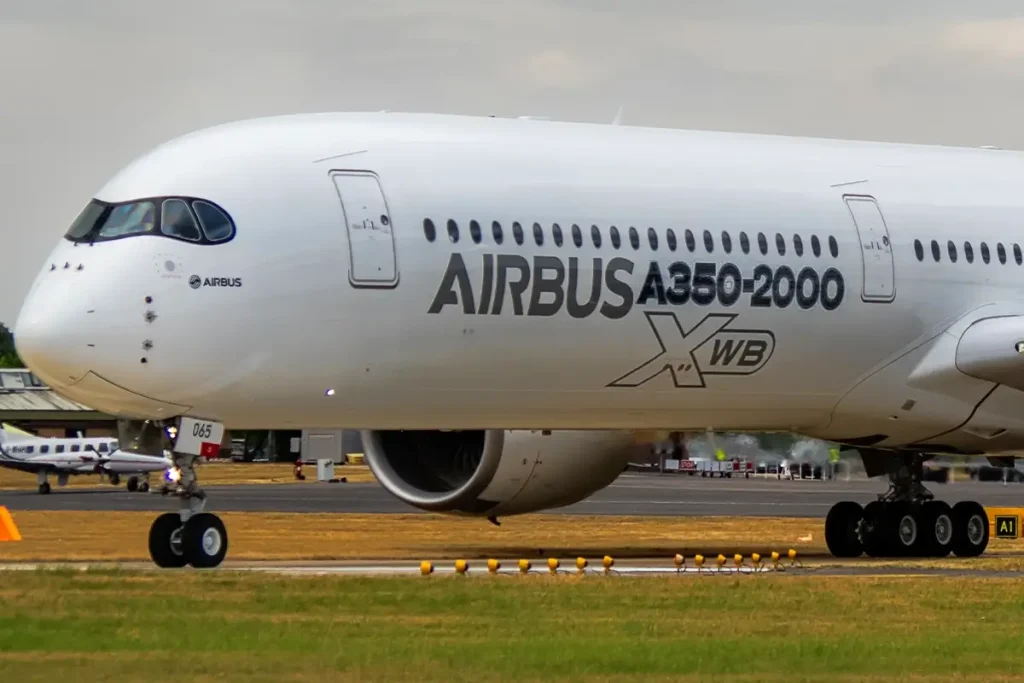
While not all passengers prefer marathon flights, airlines should take notice of the Australian carrier’s strong ambitions when factoring them into future orders, network planning, and even interior configurations.
Qantas A350-1000ULR Frequently Asked Questions
When will Qantas take delivery of the A350-1000ULR?
The first A350-1000ULR is expected to be delivered in late 2026, and once familiarisation flights to New Zealand begin, Project Sunrise flights are expected to commence in 2027.
Where will the A350-1000ULR fly?
Qantas intends to deploy the Airbus A350-1000ULR on flights exceeding 20 hours, operating from cities such as Melbourne and Sydney to New York, London, and beyond.
How many A350-1000ULRs has Qantas ordered?
The Australian flag carrier has ordered 12 Airbus A350-1000ULRs.

ABOUT THE AUTHOR
Daniel Fowkes is a Melbourne-based aviation analyst and journalist with over a decade of industry experience. As founder of Dj’s Aviation, he delivers trusted analysis on aircraft, airline strategy and global aviation trends for djsaviation.net
Related Articles

Stay Informed
Get the latest aviation news, analysis and route updates delivered to your inbox.
We respect your privacy. Unsubscribe at any time.
Enjoyed this story?
Make us your go-to for aviation news
Add us as a preferred source on Google and see our latest stories first in Top Stories.
Add Us On Your News Feed