
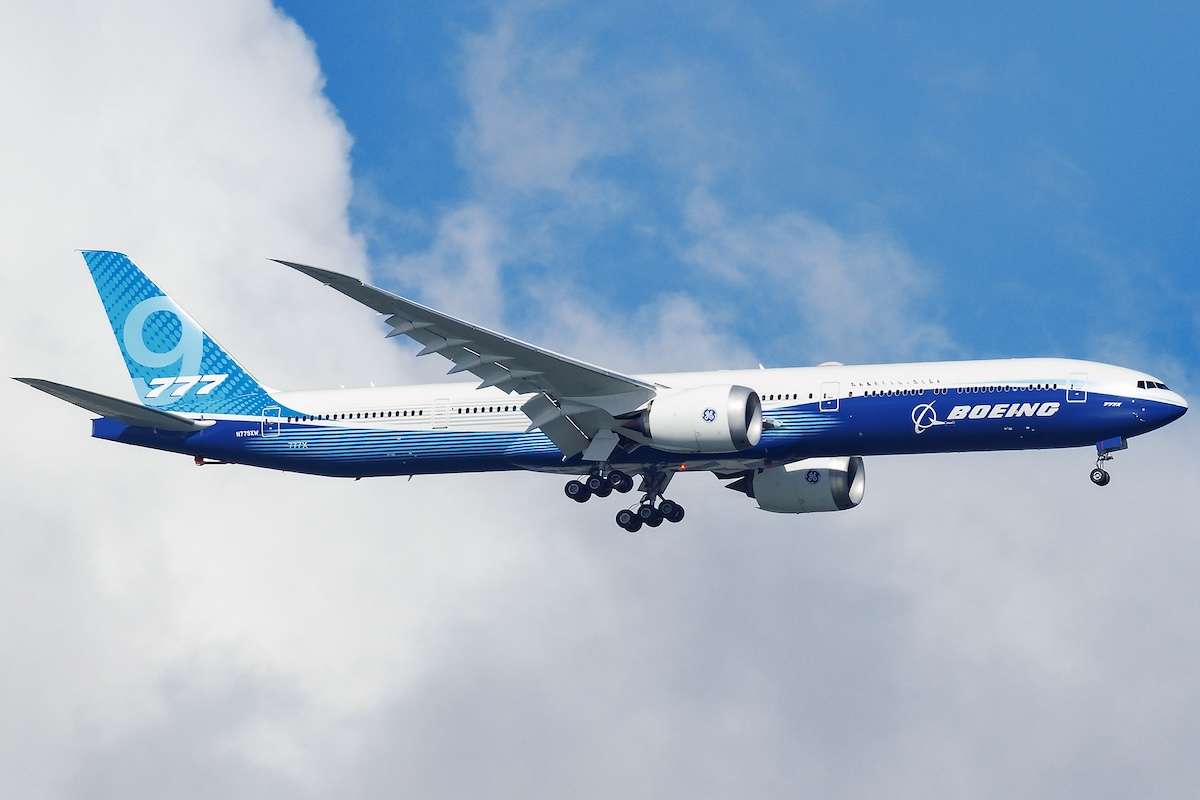
Boeing has confirmed that its flagship 777X will begin deliveries in 2027, reaffirming that its new widebody will mark a seven-year delay from its original 2020 target for first delivery to an airline.
The delay, driven by certification hurdles and programme overruns exceeding $15 billion, has highlighted the struggles of the 2020s for the American planemaker, a period marked by regulatory challenges.
A Story Of Persistent Delays
Launched in 2013, the 777X has since conception promised fuel savings via its GE9X engines and folding wingtips, with a first flight slated for 2019. This slipped to 2020, at the top of the decade and amid the emergence of the COVID-19 pandemic, engine durability concerns, and a lingering 737 MAX crisis.
When COVID-19 froze supply chains, and scrutiny increased across the Boeing commercial airplanes division following 737 MAX crashes in 2018 and 2019, followed up by further quality snags that indicated a focus on profit over quality, the 777X in its uncertified state became an example for the Federal Aviation Administration (FAA) to gain greater control again oiver approval processes.

With cracked engine thrust links, flight control issues, and cargo door failures during testing, compounded by durability problems on the GE9X, the 777X has faced an uphill battle in its certification program to clear key steps toward a formal green light.
In Q3 2025, Boeing reported a $4.9 billion charge to the program, ensuring cost overruns totaled $15 billion, with its CEO Kelly Ortbeg admitting that the jet had fallen behind expectations and a 2026 first delivery was not likely, this when 2027 was first floated as a possible option.
Mounting Impacts On Boeing and Airlines
The failure to meet previously outlined deadlines for the 777X has had a negative impact not just on Boeing but also on its airline customers who have committed to the jet, or could’ve but were forced to look elsewhere for a more readily available solution to their requirements.
The financial bleeding has hit airlines too, with revenue delayed and customers forced to seek compensation for losses stemming from missed deadlines and reliance on older, less efficient aircraft, among other issues.
Boeing’s quality crisis has eroded trust with many, and airlines have suffered as a result. Lufthansa’s A340 and 747 fleets were forced to remain in service six years longer than expected; only last week did confirmation arrive that the A340-600 will be axed in October 2026.
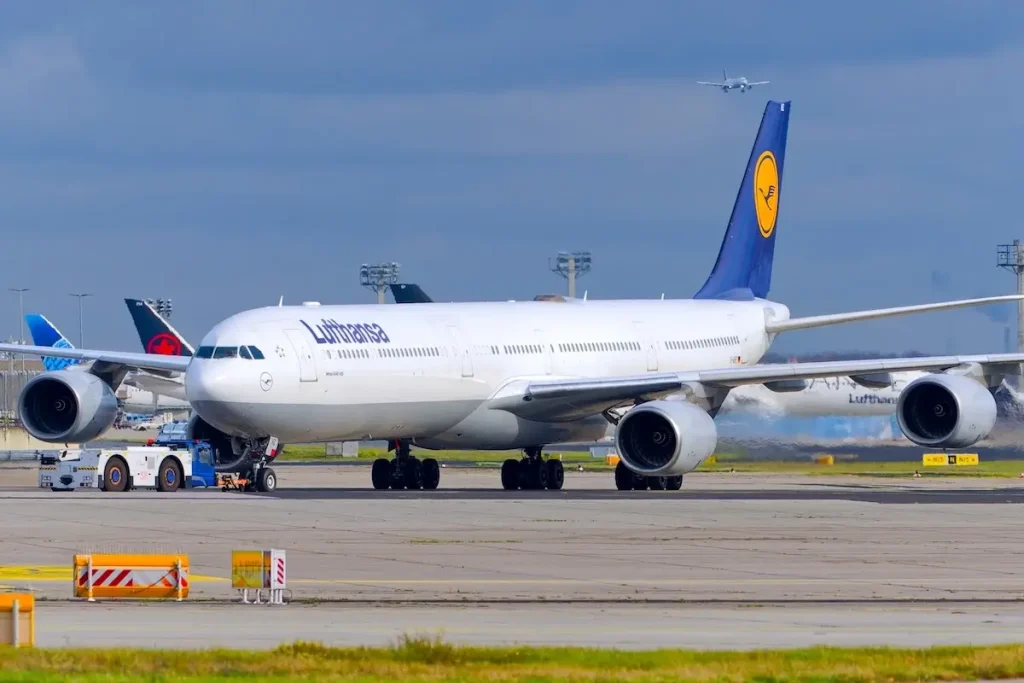
The retention of these older aircraft is damaging the business’s customer satisfaction and increasing outgoings, but being retained to protect capacity while awaiting jets like the 777X.
Qantas’ Project Sunrise saw a pitch to Airbus and Boeing on the need for a new ultra-long-haul jet, with the A350 and 777X put against each other, the latter easily beaten by the A350-1000ULR, with Airbus positioned to innovate and offer something soon. The Australian flag carrier cited the 777X’s reliability and availability as one of the many reasons for its final decision.
These lost deals and certification delays are hurting airlines, which in turn hurt Boeing, which is forced to report hefty cost overruns as it finds itself already in a strained position following the 737 MAX crisis, slowed production, and the COVID-19 pandemic.
A Crucial Certification Looms
Now, with Boeing shooting for an approval of its 777-9, the first iteration in the 777X family this year with a first delivery in 2027, the FAA’s greenlight will unlock important first deliveries, a jump in revenue and valuable market share in a sector screaming out for more choice amid ageing quad-engined widebodies being axed.
The 777X’s 426-seat base capacity in a two-class layout, paired with 7,285nm, delivers a strong efficiency jump over the outgoing 777-300ER and targets the A350-1000’s market share. Despite competition, high-density markets are where the 777-9 is expected to thrive, but without certification, Boeing continues to cede ground to Airbus, and airlines await the jet’s arrival.

A certification of the 777-9 gets more crucial when understanding its approval is reliant on new models, such as the dedicated 777-8F, which are waiting for the 777-9’s approval before they can progress into the key testing phase; thus, the 8F’s fate is reliant on its big passenger brother entering service.
Furthermore, if Boeing wants to respond to Emirates’ call for a new ultra-high-capacity yet efficient aircraft to replace its Airbus A380, seen as the 777-10, the American planemaker must sort out its first variant, which has been delayed for 7 years.

ABOUT THE AUTHOR
Daniel Fowkes is a Melbourne-based aviation analyst and journalist with over a decade of industry experience. As founder of Dj’s Aviation, he delivers trusted analysis on aircraft, airline strategy and global aviation trends for djsaviation.net
Related Articles




Stay Informed
Get the latest aviation news, analysis and route updates delivered to your inbox.
We respect your privacy. Unsubscribe at any time.
Enjoyed this story?
Make us your go-to for aviation news
Add us as a preferred source on Google and see our latest stories first in Top Stories.
Add Us On Your News Feed