

The Airbus A380neo stands uniquely as one of the few conceptual aircraft models driven by airlines, rather than directly by the planemaker.
This jet, which has been a topic of conversation for a decade and driven primarily by a major global airline, would’ve been the answer to the A380-800 and its dedicated replacement.
But now, in the back half of the 2020s, the jet no longer exists, despite efforts by airline executives. Why is that, and was it the right decision?
What Would An A380neo Be?
The Airbus A380neo is a conceptually different design, driven not by the planemaker but by airline customers who put forward the prospects of the type.
In essence, the difference between the A380neo and its predecessor, the A380-800, would be precisely like other NEO models: new engines providing a more efficient platform, with other changes to address key concerns outlined in the first iteration of the series.

Airline executives believe that several fundamental changes to the base model would allow for a 12 to 14% fuel burn reduction with the new engines and thus make the model more attractive in an era where airport infrastructure is not keeping up with demand increases, and therefore providing limited room for growth at airlines, in stepping up the requirement for larger planes.
Given that Airbus only briefly recognised the minimal demand, it said it had begun discussions with Rolls-Royce about a possible re-engine of the base model, as reported by Aviation Week.
While there appeared to be some appeal over the possible re-engine, which would bring efficiency upgrades for operators seeking a superjumbo, not all airlines were keen on a model driven mainly by airlines.
Airlines Drive The A380neo Discussions
The drive from airlines for an A380neo is exactly what made the A380neo so unique; it wasn’t something Airbus itself pitched to airlines, like what could come with the A380plus, which would ultimately fail as well.
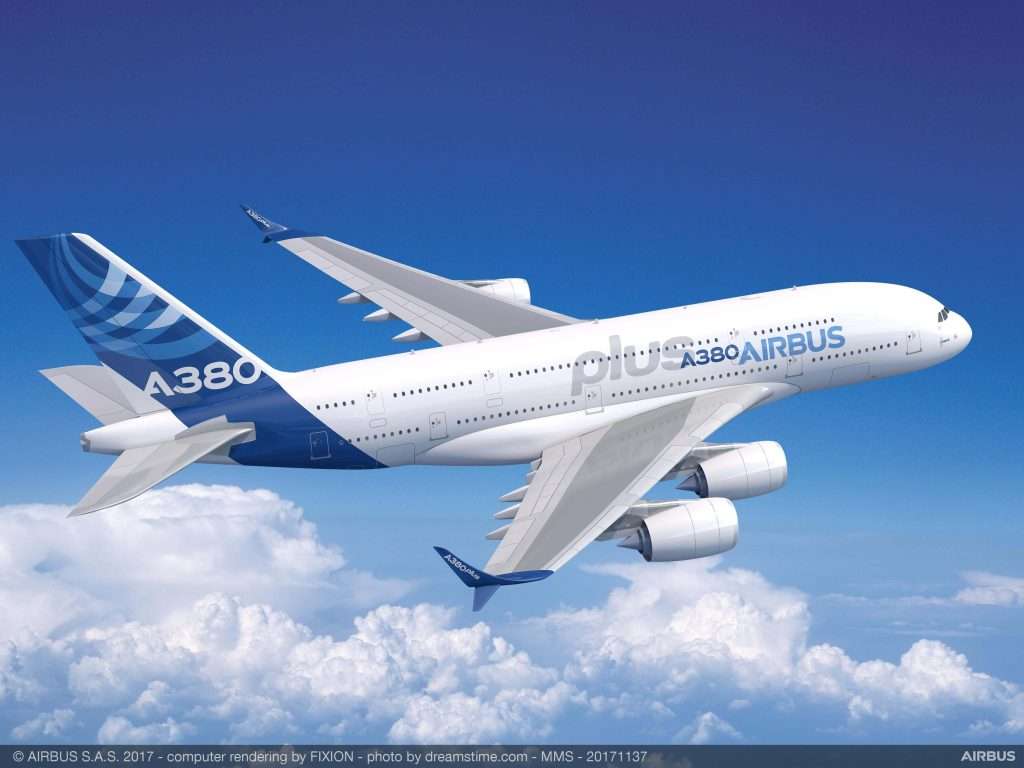
Three airlines publicly expressed interest in the possible acquisition of an A380neo; one of them showed substantially greater interest than the others, with its push for such a model continuing even into the mid-2020s without success.
Qatar Airways, a large Middle Eastern carrier based in Doha, was among the airlines that briefly expressed interest in an A380neo-type aircraft. Chief Executive Officer at the time, Akbar Al Baker, said that the prospect of the jet would be something worth considering if perfromance metrics were truly better.
When speaking with reporters in 2015, Akbar said that if Airbus were to go on to produce the jet, it would be worth considering when replacing its A380-800s at some point down the line, aligning with efforts to keep the fleet youthful.
Qatar Airways pushed for three key areas to be addressed: improved range, increased capacity, and reduced fuel burn compared to the A380-800. Only if these three pillars were met would it then consider purchasing the plane.

Turkish Airlines also surprisingly showed interest in the model. This is an airline that never committed to the A380-800 itself, but in the mid-2010s spoke with Gulf News about the new iteration and labelled the jet as something that could be integral to the then-upcoming new airport.
The A380 program, including the possible A380neo, was pitted against the 747-8 as solutions to rising demand. Still, these two equally out-of-favour jets, even more than a decade ago, showed no interest in being fabricated into anything firm.
Emirates’ Push For The Aircraft
Emirates, however, was the airline with the strongest interest in the superjumbo, driving the discussions from the beginning, its push for the jet outweighing the interest of the two other named airlines.
Led by President Sir Tim Clark, the airline has consistently pushed for the release of the model, even presenting designs to Airbus and committing to invest heavily in the product as part of its fleet renewal.

In what has been a consistent theme across the last decade, despite Emirates’ strong push for the jet, and calls from analysts for Airbus to listen to one of its most important customers, the A380neo has yet to be seen, and likely won’t.
Huge Investment But No Demand
To launch a new aircraft program, the funds required are substantial, certainly a clean sheet more than a re-engine, but on the scale of the A380, the resources pooled together exceed other programs tenfold.
For Airbus to have had a reason to move ahead with the A380neo, it would’ve needed to be faced with propositions from airlines it couldn’t refuse; three airlines, with only one really consistently keen, is not enough for the sheer investment required.
Beyond the investment in technologies to bring the aircraft to life, Airbus would need to work closely with supply chains, among others, to make this model happen, a significant investment for just one airline on the world’s largest passenger plane.

By the time the mid-2010s arrived, a changing of the guard in how airlines operated long-haul services was nearing completion, and despite active sales pushes for the predecessor model of the superjumbo, these campaigns came to nothing, indicating that airlines were looking to move ahead.
Gone were the days of the A380 and 747, and in were the days of leveraging next-generation capabilities such as the 777X, A350 and 787, instead of their flexibility across medium- to long-haul route segments, with great perfromance that was sustainable and perfect for growth.
Simply put, while Airus conducted its due diligence to study the demand for the aircraft and the possibility of it becoming a reality, this was simply that, due diligence in addressing airlines’ calls for new planes, not every call will be answered, as evidenced.
What Ended Up Happening?
With the logic behind an Airbus A380neo making little to no sense, the planemaker decided against the aircraft, while it pushed for the A380plus development study. Emirates, the only airline truly wanting a successor, believed this lacked sufficient fundamental improvements to make an investment worthwhile.
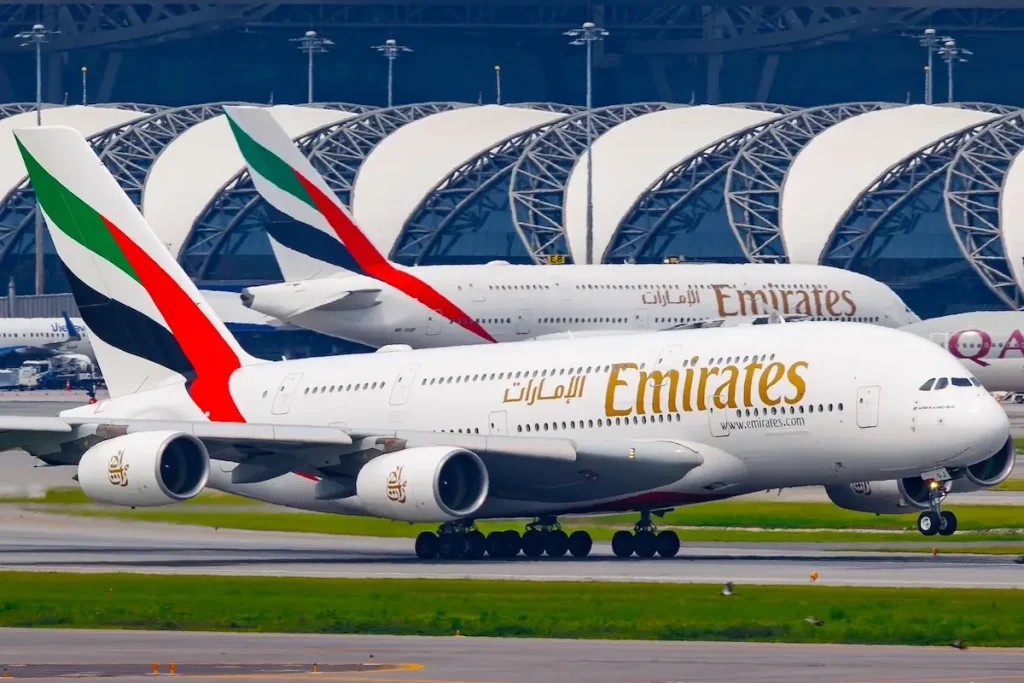
When Airbus wrapped up production of the A380-800 at the beginning of the 2020s, off the back of an Emirates order revision that saw jets cancelled, it put the nail in the coffin for many analysts’ hopes of the A380neo coming to fruition.
Airbus would leverage the sheer space required for the production of the superjumbo towards more in-demand and efficient aircraft; bringing the A380 back through a new engine model would only further complicate matters.
Additionally, with Airbus now committing to further development of the A350 program through a Stretch model, Emirates will be able to decide between this and Boeing’s alternative, the 777-10.
But as for the A380neo, Airbus’ decision not to proceed with its launch today seems to have been the right one, given the lack of demand and the COVID-19 pandemic.

ABOUT THE AUTHOR
Daniel Fowkes is a Melbourne-based aviation analyst and journalist with over a decade of industry experience. As founder of Dj’s Aviation, he delivers trusted analysis on aircraft, airline strategy and global aviation trends for djsaviation.net
Related Articles



Stay Informed
Get the latest aviation news, analysis and route updates delivered to your inbox.
We respect your privacy. Unsubscribe at any time.
Enjoyed this story?
Make us your go-to for aviation news
Add us as a preferred source on Google and see our latest stories first in Top Stories.
Add Us On Your News Feed