

Virgin Atlantic once planned to fly the Airbus A380, an aircraft aimed at redefining and strengthening the U.K.-based airline led by Richard Branson.
However, after much deliberation and public support of the superjumbo, Virgin Atlantic canceled the aircraft, but why?
The Virgin Atlantic Landmark Order
Virgin Atlantic’s order for the Airbus A380 was placed at the beginning of the 2000s when a commitment to the aircraft was revealed in 2001.
Virgin Atlantic, backed by Richard Branson, initially believed a purchase to first delivery could occur within five years. As a result, this would mean the first delivery was expected in 2006.
Furthermore, the purchase came at a time when the U.K.-based carrier was absolutely fixated on expanding its business.
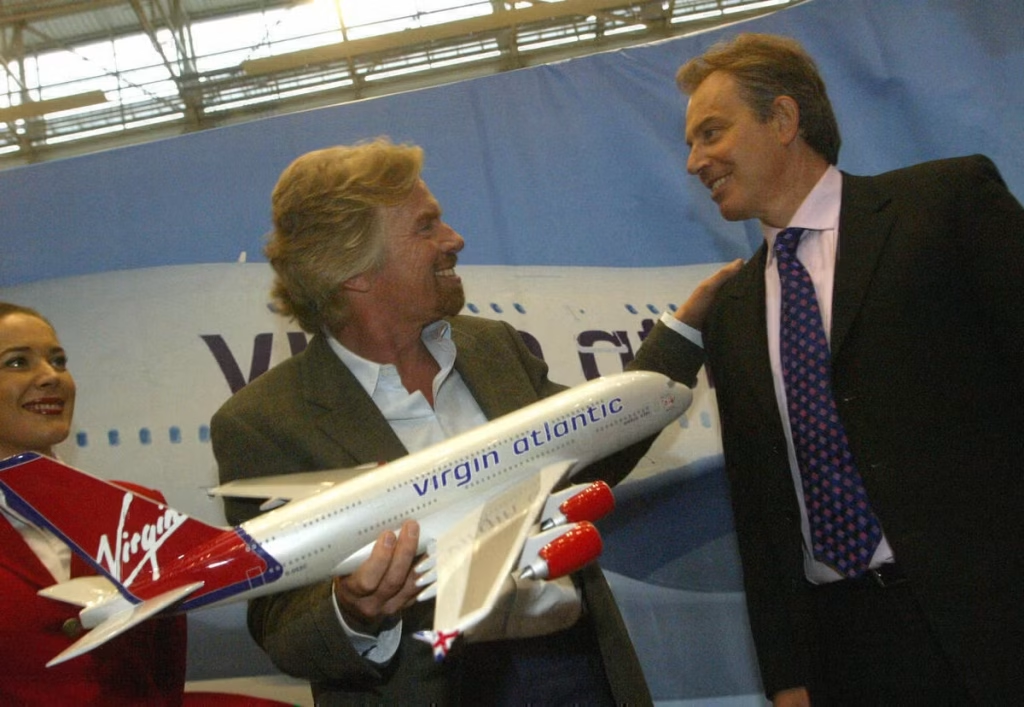
The core focus of expansion was that of its network and fleet, believing there would only be positive implications from expanding its presence worldwide.
Adding to the business, the Airbus A380 was seen as a solution to speed this up considerably. After all, the A380 came with enhanced capabilities viewed internally as more than ideal for starting new routes.
In addition to launching new routes, Virgin Atlantic believed it could increase capacity to more prominent locations by deploying this aircraft.
At the time of the purchase, Virgin faced competition from many other sources and fought to cement its place within the industry. Therefore, the A380’s capacity, alongside general capabilities, seemed like the perfect alternative.
The Industry Moves Away From The A380
Shortly after Virgin Atlantic purchased the A380, one of the initial reasons the carrier would move away from such a variant would begin emerging.
Industry trends shifted almost immediately after Airbus made the A380-800 a public choice for airlines. The days of superjumbo aircraft dominating the long-haul space were quickly beginning to fade.
This shift came as aircraft such as Airbus’ own A350, the Boeing 787, and even the 777 developed on the scene as more efficient alternatives in the long-haul market.
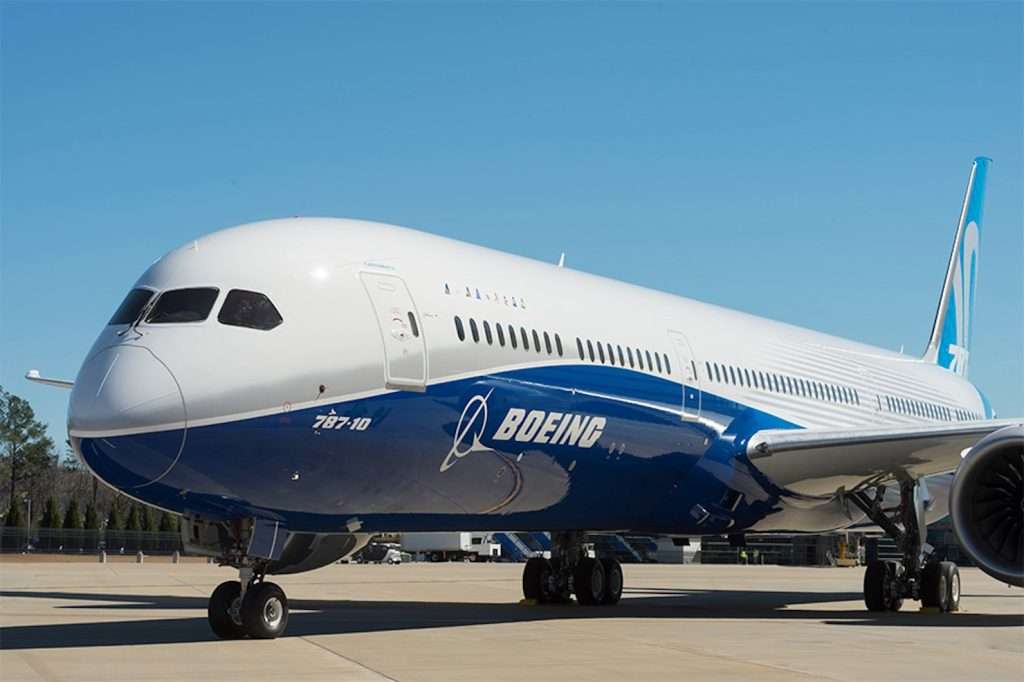
Ultimately, while the aircraft wouldn’t have the capacity of the 747 or A380, these twin-engine alternatives offered far greater financial benefits for an operator.
Virgin Atlantic, which was hellbent on expanding, initially saw the A380 as the solution, but as time passed and the industry moved quickly, Branson began rethinking his decision.
Delta Joins Forces With Virgin Atlantic
Quite possibly, there were a host of reasons why Virgin Atlantic never abandoned the Airbus A380, and yes, the shifting industry trends were a core reason.
However, ultimately, there was also a lot of focus on Delta’s emergence as a key part of the Virgin Atlantic operation, which meant any possible A380 delivery was unlikely to occur.
Delta would formally announce a stake in Virgin Atlantic of 49%, almost a majority that would see it take hefty control over the British carrier.
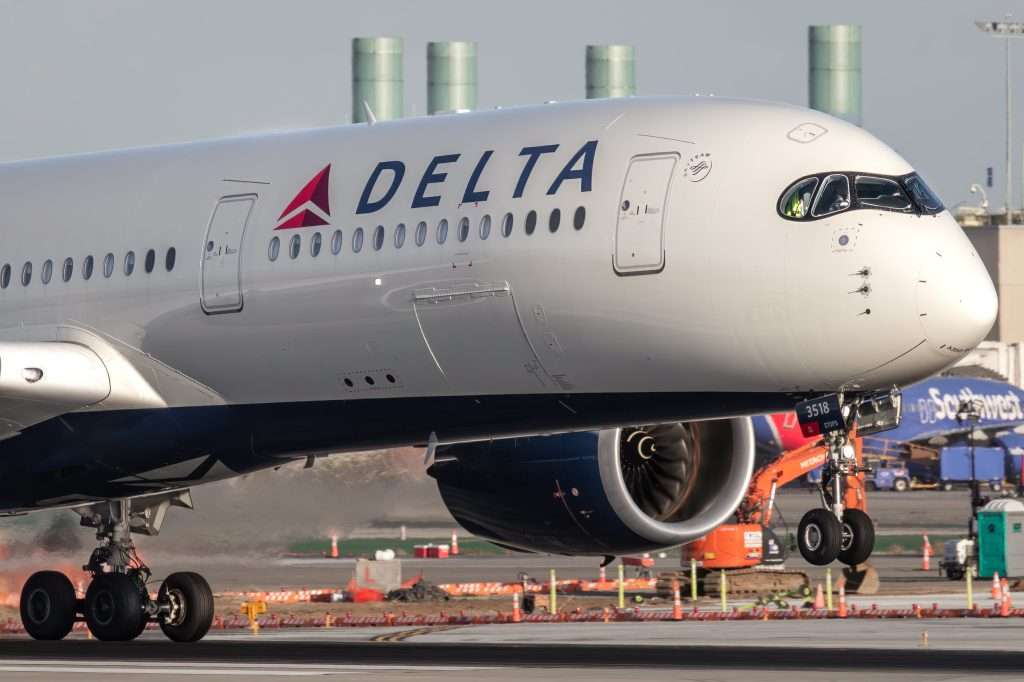
The acquisition would help shape Virgin Atlantic and allow the pair to collaborate for greater access across the Transatlantic market. However, it also meant a prospective A380 delivery was seemingly off.
While the Airbus A380 has worked across markets such as the Middle East, Heathrow, and even Singapore within the United States, it was a jet that didn’t suit these companies’ business models.
Despite Virgin Atlantic being based in the United Kingdom, a U.S. carrier with the backing of Delta would hardly consider taking the aircraft on.
As Delta came on, Richard Branson, who was once very hands-on with the airline, would diminish, his role being instrumental in the A380s purchase as well.
Virgin Atlantic Says Farewell To The A380
After a great deal of uncertainty but equally little hope for aircraft, a cancellation would formally arrive in 2018.
At the time, Virgin Atlantic’s decision to cancel the A380 was seen as the culmination of a comprehensive review of its overall long-term fleet.
This review factored in elements such as Delta’s emergence over the last decade and the move towards twin-engine fuel-efficient aircraft such as the 787 and A350-1000.
If anything, Virgin Atlantic was looking at this point to ship off widebodies with plans to retire or already have said goodbye to the A340 and 747.
The Airbus A380 simply didn’t make sense with the airline’s current direction, and further complexities would have arisen if the aircraft had been added.
While fellow UK counterparts and competitors, such as British Airways, leverage the A380 for its operations and have been successful, each business is different.
Ultimately, Virgin Atlantic’s decision not to take on the Airbus A380 would be considered the right decision.
Nowadays, Virgin Atlantic is moving forward with twin-engine, more modest widebodies that are more efficient and will offer better economics for the operation the airline is attempting to execute.

ABOUT THE AUTHOR
Daniel Fowkes is a Melbourne-based aviation analyst and journalist with over a decade of industry experience. As founder of Dj’s Aviation, he delivers trusted analysis on aircraft, airline strategy and global aviation trends for djsaviation.net
Related Articles



Stay Informed
Get the latest aviation news, analysis and route updates delivered to your inbox.
We respect your privacy. Unsubscribe at any time.
Enjoyed this story?
Make us your go-to for aviation news
Add us as a preferred source on Google and see our latest stories first in Top Stories.
Add Us On Your News Feed