
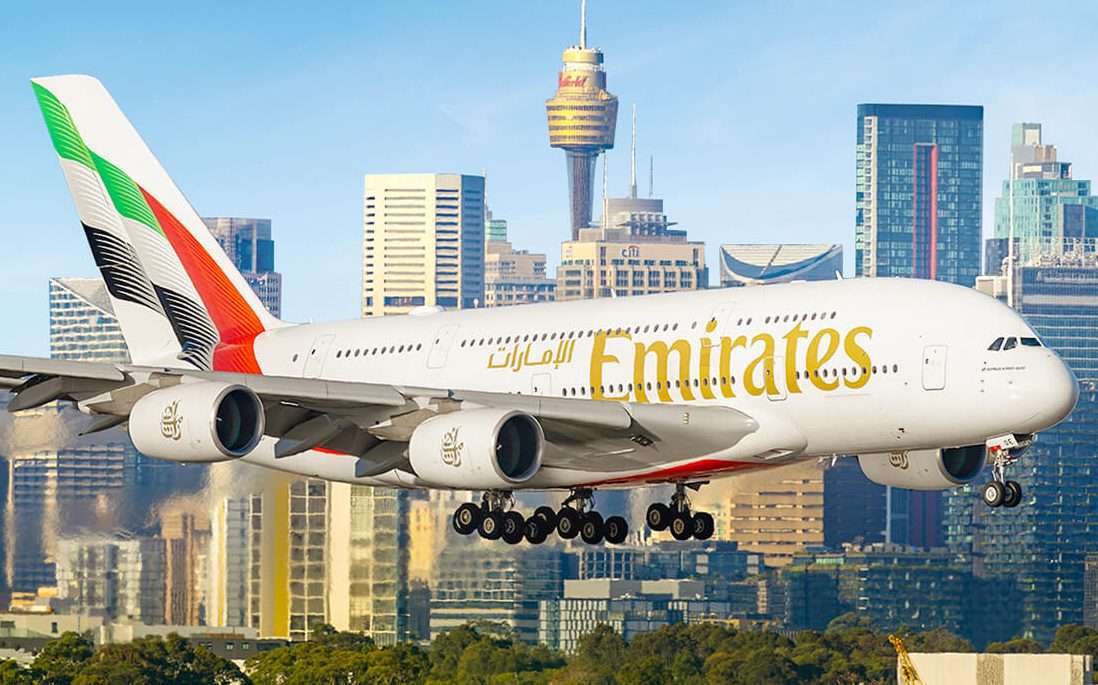
The Airbus A380 remains the world’s largest passenger plane despite the recent cessation of production.
The superjumbo entered service with a mission to redefine long-haul flying. It certainly achieved this, but not at the scale initially imagined.
So, what are the problems with the A380 in 2025, what’s the status and what’s next?
Launching At The Wrong Time
The A380, initially debuting as the A3XX as a development study in the late 1900s aimed at redefining the long-haul widebody space and giving airlines an alternative to the long-standing success of the 747.
However, by the time the A380, as it was eventually named, came to market, a great deal had changed, and airlines required not quad-engined superjumbos but flexible and efficient widebodies.
As a result, despite attaining interest from several high-profile international carriers and driven by commitments from Emirates, the largest customer, the A380’s appeal was low, launching at analysts argue the wrong time.
There were also delays in the program’s launch, which added time onto the release that most felt the type couldn’t afford in a rapidly evolving segment that saw its reliance on such planes shift.
Boeing also aimed to compete with the A380, which aimed to compete with its longstanding 747-400 by releasing the last iteration of the program in the 747-8.
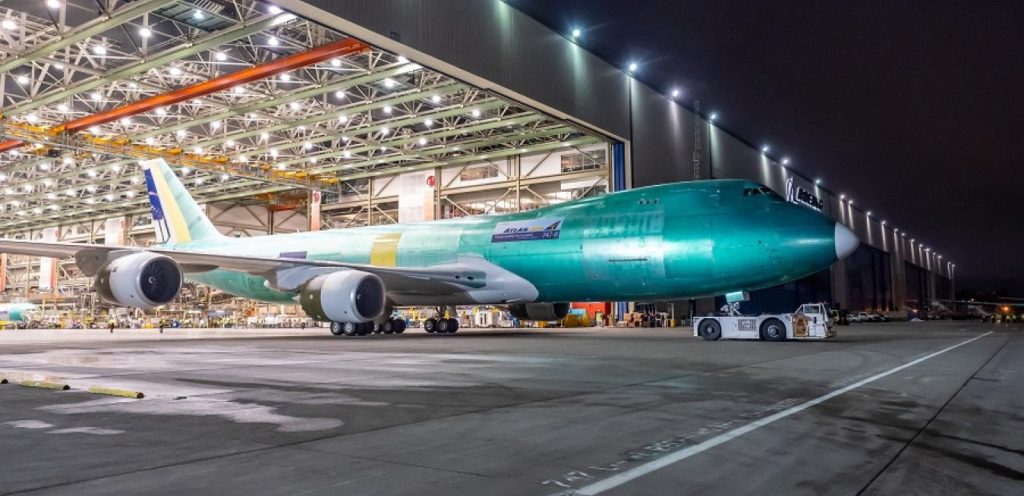
Unfortunately for Boeing, the 747-8 would be a failure from a commercial standpoint, amassing fewer orders than the A380 and never having the backing from a company such as Emirates. Aside from this, it also had limited adoption from the airline customers who purchased it.
When the A380 entered service, emerging widebodies from Airbus and Boeing aimed to redefine the long-haul space, just as the A380 intended. However, the critical difference lay in these widebody jets’ appeal to more airlines.
A Risk For Airlines
A primary factor in the A380’s limited adoption worldwide was its niche. Not all airlines were capable of purchasing and flying such a large aircraft.
Therefore, unlike a 737 or A320, many airlines couldn’t immediately take the plane. That limited figure was further reduced when most airlines analysed the risks of taking the jet.
From complications in maintenance to the costs to get the plane in the skies, in markets that continued to fluctuate from fuel prices to other avenues crucial to an airline’s day-to-day operation, such a superjumbo didn’t make sense.
Ultimately, airlines were unwilling to take on the risk at the rate Airbus may have imagined, causing disappointment in just how widespread its adoption was.
Highlighted by even some airlines that took the type on in smaller numbers, such as Thai Airways, Malaysia Airlines, Air France, and China Southern, it was a plane that couldn’t be justified.
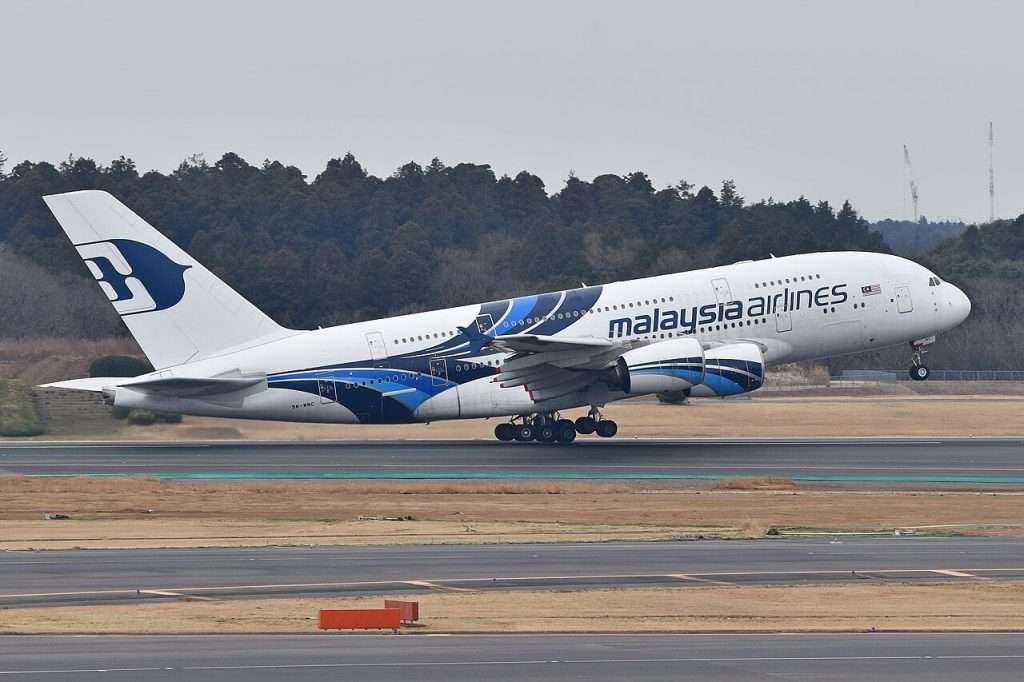
When the COVID-19 pandemic arrived and airlines were looking to solidify their business by removing less efficient planes and cutting costs, most of the A380s were the first on the chopping board, especially for the airlines as mentioned above.
Because of the significant costs, these carriers have long felt the A380 wasn’t the right fit for their business. Furthermore, these airlines also needed to find routes that would make flying the aircraft profitable, in many cases, that provided challenges.
The Airbus A380s Comeback
Despite production ending for the A380 in 2021 and many failed sale pushes in the 2010s, which resulted in production ceasing after the global pandemic, the A380 did defy odds and experienced a resurgence in usage.
Many airlines had either permanently retired the aircraft and sent their units to the scrapyard or parked the jets for the long term without returning them to service.
However, when supply chains collapsed after the industry emerged from the pandemic, and the delivery of new aircraft couldn’t be facilitated, airlines needed to look at available resources as a short-term solution.

Despite its unfavourable nature and the financial problems associated with this for most operators, aircraft such as the A380 remained a choice for reactivation for some companies to cope with the delays in acquiring other next-generation planes.
For many airlines, it presented a fascinating turn of events: the need to temporarily bring back an out-of-favour and inefficient aircraft such as the A380 because of complications in acquiring what many airlines would consider its long-term replacement.
What’s Next For The Program
In 2025, the fate of the A380s remains a fascinating question left unanswered for many airlines. Despite its problems and inefficiency, the jet remains active in fleets worldwide.
However, the A380 is still broadly considered a short-term solution unless you’re a Dubai-based carrier, Emirates. At a peak, Emirates had over 120 active A380s in its fleet. That number has now reduced, but its reliance is still as firm.
Emirates is expected to be the last airline to retire the A380 with the hope to continue flying the type into the 2040s, however, not all airlines are of this same viewpoint and are instead already making plans to farewell the series.
Qantas, for example, has been a long-time backer of the program and will continue flying it into the 2030s, but it has already unveiled its succession plan, which involves the A350-1000.
Other airlines are also looking to part ways with the type at a point where they can consider themselves to have enough next-generation widebodies to cover capacity and not lose out to competitors.
Unfortunately, the airlines’ fleet forecasting has proved complex with the delayed certification of planes such as the 777X and the inability for these new-gen jets to be delivered on time.

While Emirates calls for an A380neo, these have gone unanswered, and the reality of the program is it’ll fade slowly but surely, with the number of active units reducing annually.
Ultimately, while holding much promise, the A380 struggled significantly due to its launch time, sheer size, associated costs, and the limited number of airlines that could take it on.

ABOUT THE AUTHOR
Daniel Fowkes is a Melbourne-based aviation analyst and journalist with over a decade of industry experience. As founder of Dj’s Aviation, he delivers trusted analysis on aircraft, airline strategy and global aviation trends for djsaviation.net
Leave a Reply
Related Articles




Stay Informed
Get the latest aviation news, analysis and route updates delivered to your inbox.
We respect your privacy. Unsubscribe at any time.
Enjoyed this story?
Make us your go-to for aviation news
Add us as a preferred source on Google and see our latest stories first in Top Stories.
Add Us On Your News Feed
Still the best plane flying, especially in Business Class. We only fly the 380 with Emirates on all long haul flights, despite the 4 hour stopovers in Dubai (great duty-free shopping helps). We have found the Boeing ‘ equivalents’ to be both noisy and narrower in their seating configs. “ long live the the 380s !
Agreed!! There’s something special about the A380, similar to the 747 that other aircraft platforms just don’t have.
Some of the Emirates A380 are looking tired and sad inside and frequent cancelations are the biggest headache… What do u do with 800 passengers when it a cancelled flight occurs .its a logical nightmare with ground staff being pressured and pushed …as usual in our world at the moment ..when things go wrong, we are annoyed and in a rush and staff are ill prepared and have little back up….
Thanks for sharing your thoughts on level devil – not a troll game.
Regards
If some one wants expert view concerning blogging afterward i
suggest him/her to pay a visit this web site, Keep up the pleasant work.
If you desire to grow your knowledge just keep visiting this web page and be
updated with the most recent information posted here.
Heya i am for the primary time here. I found this board and I to find It truly helpful & it helped
me out much. I’m hoping to give something again and help others like you
helped me.