
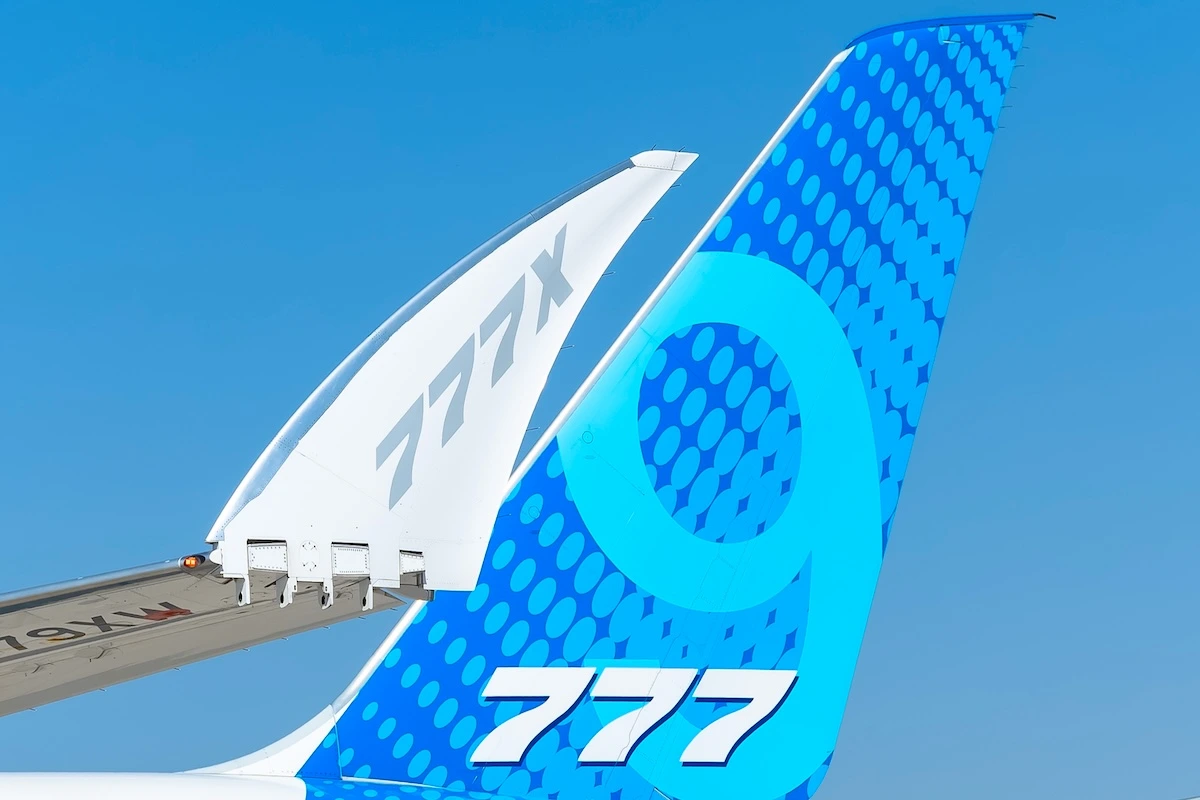
Boeing’s long-delayed 777X jet has hit yet another bump with fresh concerns over the GE9X engines amid years of certification delays.
The issue, flagged in recent inspections, has come to light with additional details at a time when Boeing cannot afford further disruptions.
With airlines like Emirates closely watching amid years of setbacks, Boeing must ensure this hiccup doesn’t result in further delays to the 2027 first delivery target.
GE9X Seal Issue: New Findings
Following the recent concern, a clear picture has emerged: the problem was initially identified as a durability issue with the GE9X engine on the upcoming Boeing long-haul jet.
Flagged by Bloomberg, the planemaker is now studying the neccesary steps to proceed, centred on the engine seal, with the possibility that the seal will need to be redesigned and retrofitted during maintenance overhauls.
Despite the latest findings on the GE9X engine seal, there’s optimism that this will not further delay certification and, in turn, the launch of the 777X, which has already been heavily delayed and cannot afford another setback.

For airline customers, this latest concern about the GE9X engines comes amid heightened scrutiny of the product and growing impatience due to the delays.
Emirates, the largest airline, has gone so far as to state that it will not tolerate anything, even slight niggles when the program launches after years of delays; it wants the plane to be perfect.
Program History and Launch Delays
The Boeing 777X program launched in 2013, targeting a 2020 launch to capture market share from the A350 and replace existing superjumbos and 777 jets from the previous generation.
However, delays began early due to engine development hurdles and certification challenges stemming from the 737 MAX crashes, which pushed back not only entry into service (EIS) but also the first flight.
The launch timeline has been extended multiple times over the 2020s as Boeing has grappled with problems: test flights have been grounded, cracks have halted progress, and more.

Boeing has been forced to inform its customers of program delays on multiple occasions, causing uproar among airline customers, investors, and others whose patience is wearing thin.
In late 2025, Boeing again confirmed a delay to the program’s launch, citing significant remaining work and progress that hadn’t met the required pace to meet a 2026 deadline. The first delivery is expected in 2027, seven years after the first forecast.
Financial Toll: Billions In Charges
Unfortunately, building on the 777X’s chronic delays, there has also been a staggering financial toll on Boeing.
Since its launch, the next-generation long-haul widebody has incurred $15 billion in charges, driven by a range of factors and weighing on the bottom line of a business that has already been struggling financially after 737 MAX production was capped for years.
Most recently, a $4.9 billion charge was recorded in the third quarter of 2025, following a slowdown in progress and wider customer delivery windows, which affected both the program and the business.

With finances so pivotal to the recovery of Boeing, it cannot afford a further delay to the program, not just for the impact on its brand, customers and more, but additionally from a financial standpoint.
Kelly Ortberg, the Boeing CEO, has remained adamant that they will continue to work through the ongoing certification flight test program and strive for a first delivery in 2027 without further delays or significant charges.
Certification Status For Boeing 777X
Now, in the second month of 2026, Boeing is hopeful that its 777X entry into service (EIS) will be no later than 2027, which is already seven years later than expected.
For the first 2027 delivery, some airlines may not begin deploying the aircraft on scheduled passenger flights until early 2028, after crew familiarisation, as with Emirates and Lufthansa.
FAA Type Inspection Authorisation (TIA) continues to progress, enabling final certification flights to take shape throughout 2026. Progress here is critical to moving through the multi-step process to secure formal approval.

However, issues such as the seal on the GE9X engine could lead to further complications over the next 18 months, through certification, which is still some time away. Much can go wrong during that period.
With no specific month set for formal approval, Boeing knows it needs to prioritise flawless testing and ensure no further obstacles arise.

ABOUT THE AUTHOR
Daniel Fowkes is a Melbourne-based aviation analyst and journalist with over a decade of industry experience. As founder of Dj’s Aviation, he delivers trusted analysis on aircraft, airline strategy and global aviation trends for djsaviation.net
Related Articles



Stay Informed
Get the latest aviation news, analysis and route updates delivered to your inbox.
We respect your privacy. Unsubscribe at any time.
Enjoyed this story?
Make us your go-to for aviation news
Add us as a preferred source on Google and see our latest stories first in Top Stories.
Add Us On Your News Feed