

The Airbus A380-800 and the proposed A380neo represent contrasting attempts at innovation, spurred on by the planemaker and the other from a major international customer.
The A380-800 was launched to much fanfare, being the world’s largest passenger plane and attempting to revolutionise how long-haul travel would be operated forever.
Meanwhile, the A380neo, a proposed aircraft, is unique because it wasn’t pitched by the European planemaker but by a major airline customer seeking to develop and renew its fleet.
Airbus would never progress with Emirates’ requests, and its A380-800 would see production cease earlier than ideally liked.
But what are the advantages to the two planes, their stories, how they stack up, overall interest and more?
Introducing The Original A380-800
The A380-800, unveiled following significant studies into what was initially known as an A3XX, was Airbus’ attempt to disrupt the widebody long-haul market.
Furthermore, the planemaker wanted to find ways to provide a solution to airlines looking to operate in slot-restricted airports but had a substantial amount of pent-up demand that needed to be served.
In essence, the double-decker capabilities meant that the type would offer customers great capacity while also heightened flexibility over the 747, for which it was looking to compete for cabin optimisation.
Beyond the sheer size, the aircraft shone, thanks to airlines eventually delivering premium experiences throughout, from the installation of luxurious first-class suites to bars and lounges.
However, the A380-800’s potential was undercut by several factors. While serving a purpose, its four-engine design was increasingly seen as a liability amid an industry favouring more efficient planes.
Additionally, the superjumbo required extensive airport modifications, including reinforced runways and dual jet bridges, limiting its presence worldwide.
While Emirates thrived with the A380-800, building its hub-and-spoke model around the aircraft and helping propel Dubai further, the vast majority of airlines are not in this position.
Emirates Pushes For An A380neo
By the mid-2010s, the limitations of the A380-800 were becoming clear. Emirates, as the largest operator of the A380, knew that the program would eventually come to a close; however, without a desire on Airbus’ part to build a new model, questions arose.
Emirates requested on several occasions for Airbus to develop a new next-generation A380 model, known as the neo or new engine option, following in the footsteps of several other beloved aircraft programs.

This new variant was envisioned to address the A380-800’s inefficiencies with upgraded engines, lighter materials, and improved aerodynamics, making it more attractive to operate and giving Airbus a greater aircraft to push as a secondary model.
For Emirates, the A380neo was seen as a fantastic way for them to build for the future and eventually replace their ageing A380-800s. Emirates likes to keep its fleet young and is continuously looking to evolve.
The Dubai-based carrier depends heavily on high-capacity aircraft to efficiently serve demand through its home hub and sustain its global network.
Despite Emirates’ enthusiasm and repeated calls for the aircraft to help replace the A380-800, Airbus pushed back and never showed any true intention to build the aircraft; instead, it pushed the existing -800 model, attempting to secure sales.
Why The Airbus A380 Saw Its End
To understand the A380neo’s challenges and even that of the A380-800, it remains important to know why the first variant struggled in the market.
By the time production ceased in 2021, Airbus had delivered only 251 A380s, far below what expectations had realistically been laid out for the program at the beginning of its life.
Primarily, the lack of commercial orders was driven by the scope of the aircraft and the persistent adjustments seen in trends and the type of missions and aircraft that were chosen to operate with.
In the 1990s, when the A3XX was being studied, the hub-and-spoke model dominated long-haul aviation. Airlines funnelled passengers through major hubs, making ultra-large aircraft ideal for high-density routes.
However, by the time the A380 entered service, the industry was transitioning to point-to-point networks. This type of flying was only enabled by fuel-efficient twin-engine jets like the 787 and A350.
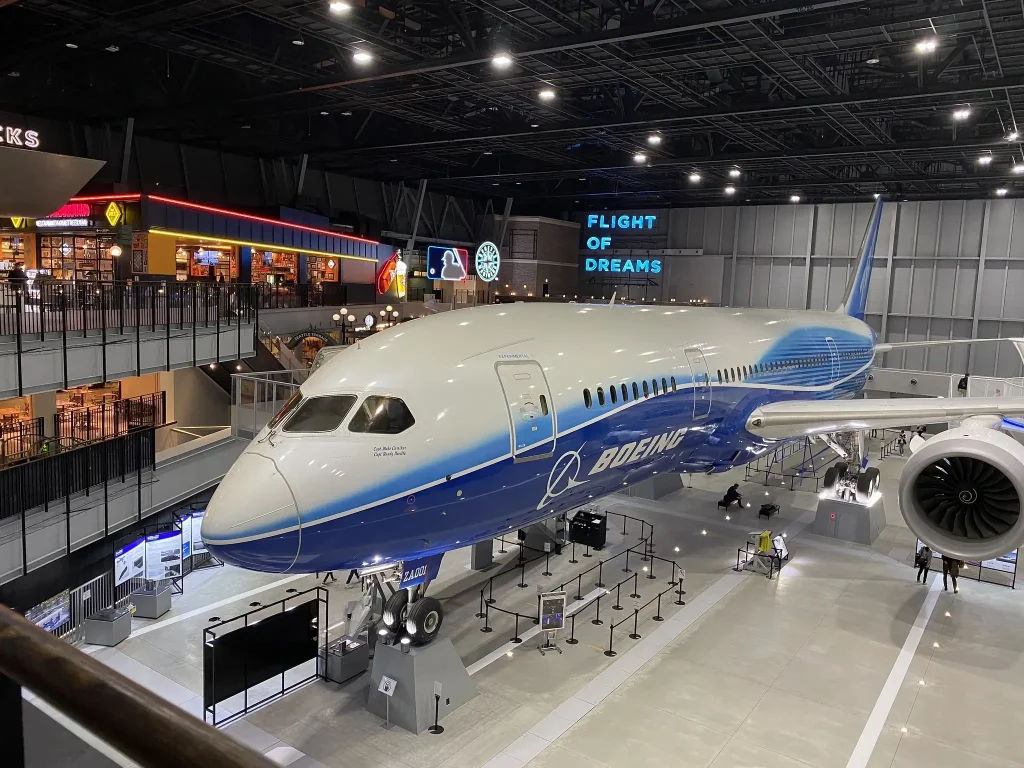
These aircraft allowed airlines to bypass congested hubs and connect secondary cities directly, offering greater flexibility, customer opportunities, and reduced operating costs while fostering new market share abilities.
Moreover, one of the focal points is that the operational complexity and infrastructure demands of the A380-800 deterred many airlines from ever deciding to commit to it.
The size and price tag limited many airlines purchasing the plane and, even more so, the airports it would go onto be able to fly through.
Emirates’ love for the A380 certainly represented one of the few that made the aircraft work, and their voice, while important, did not represent the vast majority of customers.
The Neo Had A Limited Market
Prospects for the successor of the A380-800 were never really there, excluding bleak attempts with the A380plus. Emirates did not speak for the broader industry, and thus, this impacted any possible successor.
The A380neo never attracted widespread interest, and it wasn’t as if Emirates’ comments were supported by other major international companies such as Qantas.

The Dubai-based carrier often found itself on its own. Emirates was essentially the sole customer pushing for the aircraft, with no other major airlines willing to commit.
As a result, while the A380neo, addressed by Emirates, would’ve answered some of the complications seen in the first variation, it still failed to address the core market challenges facing ultra-large aircraft.
Even with improved engines and lighter materials, it was a plane that was not desired. Furthermore, at the time, Airbus was attempting to grasp sales pushes for their A380-800 to ensure production would continue into the 2020s, and even this failed.
A Plane That Forever Remains An Icon
The A380-800 is the world’s largest plane, and this title will not be taken away from it for some time.
Furthermore, the aircraft managed to help redefine what customers came to expect from long-haul flying, and, despite its lack of a presence within the Airbus operation, it remains an important pillar of many airline networks.
However, the commercial struggles were more than present, and despite Emirates’ attempts to put forward their solution in the A380neo, those same struggles would’ve carried over to any endeavour.
Airbus can remain thankful it was able to find an operator that truly admired the aircraft, for the story of the A380 would’ve been very different without the investment of Emirates, who arguably saved the program.
The A380neo remains a what-if and presents a case of an airline pushing forward a suggestion that doesn’t ultimately eventuate.

ABOUT THE AUTHOR
Daniel Fowkes is a Melbourne-based aviation analyst and journalist with over a decade of industry experience. As founder of Dj’s Aviation, he delivers trusted analysis on aircraft, airline strategy and global aviation trends for djsaviation.net
Leave a Reply
Related Articles




Stay Informed
Get the latest aviation news, analysis and route updates delivered to your inbox.
We respect your privacy. Unsubscribe at any time.
Enjoyed this story?
Make us your go-to for aviation news
Add us as a preferred source on Google and see our latest stories first in Top Stories.
Add Us On Your News Feed
The dream future will come true.
The dream future air craft will come true.
A380 is the only loved aircraft worldwide. Hope Airbus continues with it’s program some days.
Konkurerrensen har börjat förstår man då man i media annonserar kraftigt
om Boeings drömflygplan, kanske är det ett försök att komma ifatt sig själva, med problem man haft och som givetvis återspeglar på företagets ekonomi, Boeing som tillverkat passagerarplan långt mycket längre än Airbus som påbörjade sin tillverkning på sjuttiotalet borde ha ledningen,
Kan många tycka, Det har dock visat sig att Airbus har lyckats med sin tillverkning oh kunderna nöjda. Rimligen borde båda tillverkarna enas om
någon slags överenskommelse till fördel för dem båda med tanke på att flera tillverkare inte är så hemskt långt borta och vill vara med i leken.
I agree, maybe the project failed but passengers like it a lot, wide & premium
What is required is a modified XLR A 380 able to a Glasgow to Auckland direct. Extra fuel tanks in the style of xlr. On such long flights passenger comfort is essential. Ideally cut the flight time to 10 hours.