

Southwest is openly expressing its desire to move towards long-haul flights across international markets in the future, and not for the first time.
CEO Bob Jordan has already discussed such initiatives. Still, now, as part of a rebrand that will take shape over the coming 5 years, which has been ongoing before this year, with sweeping changes, these services may become a viable option.
The comments from the executive are another indication that the Southwest napkin business model has been torn up in favour of a more agile, revenue-driving business, which is critical if the airline wants to survive for another 50+ years in the industry.
This new era, which has seen so much change, is built around a core focus on driving higher revenue, with that focus on making changes to price points, add-ons, service offerings, routes, aircraft, and more. This airline has become more complex.
That New Era Takes Shape
With the collapse of Spirit Airlines and talk of consolidation across the U.S. sector as airlines fight to survive and remain viable in the long term, businesses are making harsh decisions to turn a profit. In the case of Southwest, which has come through a redefined business plan.
The airline is branding this as an evolution and its most significant shift in history, with a wholesale package of changes aimed at responding to analysts, auditors, and others who believe more value can be extracted from the business, but to capture that change, it must occur.
Some of the changes have included assigned seats, 24/7 operations, premium seats, more fare types, and a more diverse route map, all of which can justify price increases. This does not even include checked baggage fares, which analysts saw Southwest missing out on billions in annual revenue.
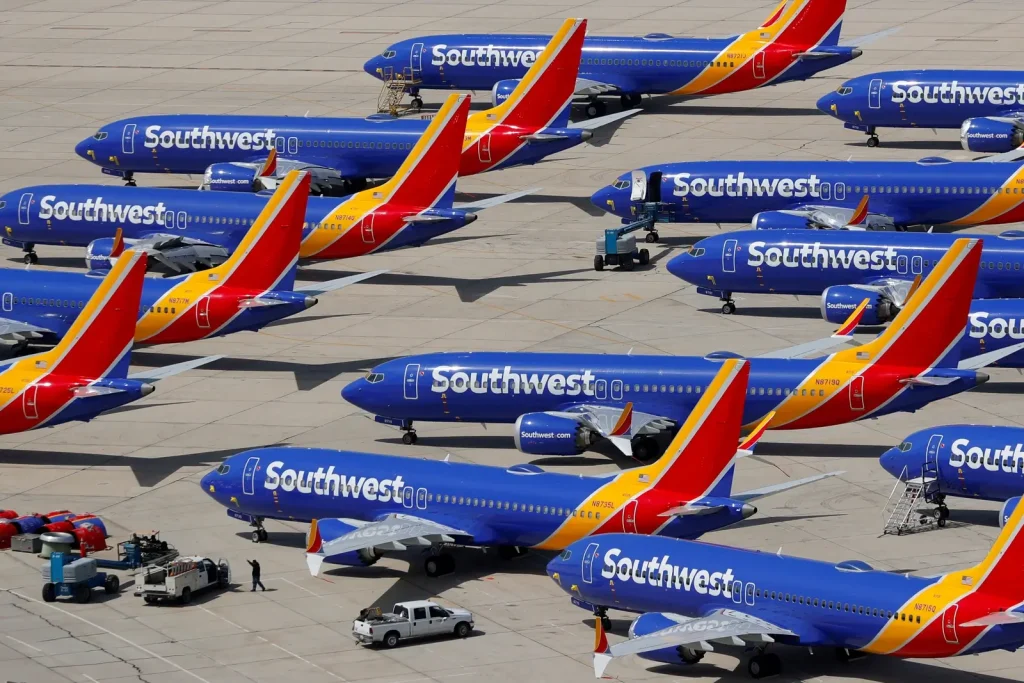
As a result of these changes, stringing long-haul flights onto this is another extension of a much broader transformation effort underway, and the repeated interest from Jordan certainly shows the appetite that’s present to evaluate this possible addition to the model.
If executed, this would be a further departure from the historical all-Boeing 737 North American focus, in which high-frequency service has been offered across the market. This age-old tale has seen Southwest grow into an iconic staple of the U.S. sector; thus, this redefinition of what the business is not just shocking but also requires a period of adjustment.
But Why Long Haul For Southwest?
Southwest is capable of raising revenues and changing its business model with many divisions, but long-haul would be perceived as one of the more extreme levers being pulled in the redesign.
Jordan is aware that his airline doesn’t have access to key long-haul revenue markets such as Europe and Asia; those services are either offered by competitors across the United States or through Southwest’s many interline deals that link customers beyond the Americas.
The ambition to serve long-haul has existed for 12 months now, with Jordan citing transatlantic markets as one possibility. Long-haul routes have simple logic behind them, but the execution is where flaws can begin to show.
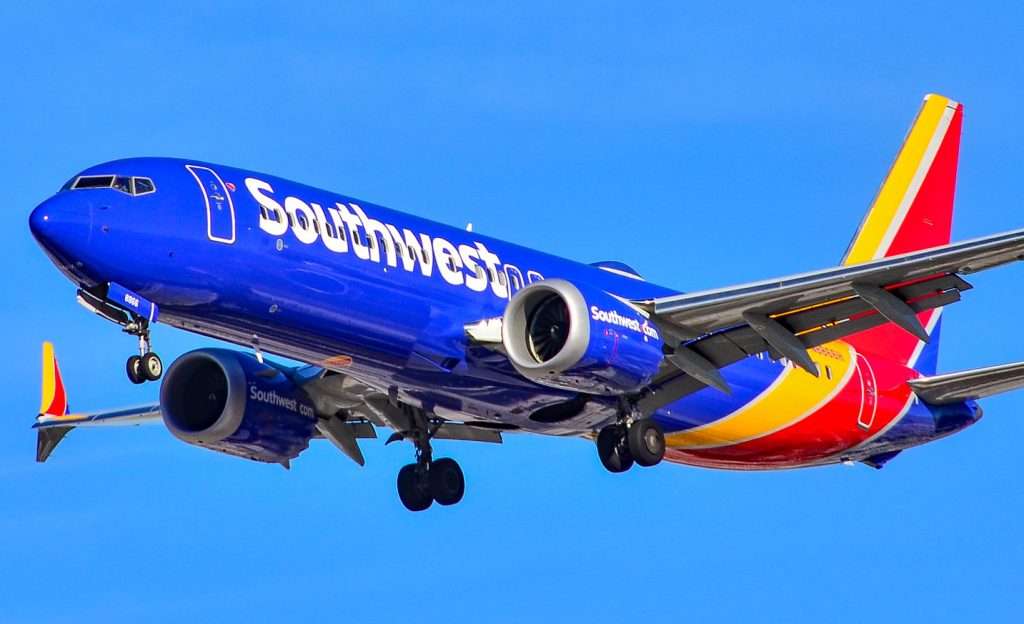
The simple logic is that Southwest would be able to generate higher average fares and tap into stronger loyalty economics, which, coupled with the very high interest in offering lounges at airports and even paired with an onboard product to match long-haul flying, would work.
Jordan’s comments show an interest in footprints that serve U.S. gateways and beyond, with the East Coast of particular interest, but with a view to diversifying this based on how it would eventually perform. The evolution, however, is also reliant on this flying getting off the ground, which is no guarantee.
A Fleet Shift Away From The 737s?
For Southwest to offer international long-haul flights inevitably raises questions about the fleet, given that this is a business that has built its operation around the 737 and hasn’t budgeted for it, even after some reported consideration of the Airbus A220, which was ultimately turned down to stay loyal to Boeing.
As such, Southwest needs to evaluate whether it will offer these long-haul flights. For the moment, the more likely option is sticking with something that is known, that is, narrowbodies, but ones that are capable of flying a longer duration, thus lessening the risk of complexities in the early launch phases.
Naturally, Boeing does not offer what many airlines would deem the perfect single-aisle product for longer-range flights; however, this product does exist, but it would necessitate a switch in allegiances, as seen with Airbus and its recently launched A321LR/XLR family of jets.

The A321XLR has been pivotal to the recent transatlantic launches by JetBlue and Aer Lingus, and it won’t stop here; many other airlines, like Air Canada, will leverage the jet to serve secondary cities across the Atlantic from eastern parts of their home countries.
But with Southwest’s exclusivity with Boeing, a strategic move to Airbus to launch such an endeavour would be significant, messy, and complicated, adding another manufacturer to the mix of its day-to-day operations.
While widebodies had been touted in 2025, internal evaluations considered a jet such as the 787 but, for the moment, viewed it as a step too far. That especially felt during what would be the infant stages of this type of model getting off the ground. Those considerations include the training, infrastructure, maintenance, and other requirements.
A target, however, has been laid out, with a rough view of these journeys being possible in the next 5 years, or in time for the turn of the decade. That said, long-haul hasn’t been confirmed; it’s a mere consideration. Now, 12 months on from the first talks, interest remains as Southwest aims to redefine its business.

ABOUT THE AUTHOR
Daniel Fowkes is a Melbourne-based aviation analyst and journalist with over a decade of industry experience. As founder of Dj’s Aviation, he delivers trusted analysis on aircraft, airline strategy and global aviation trends for djsaviation.net
Related Articles




Stay Informed
Get the latest aviation news, analysis and route updates delivered to your inbox.
We respect your privacy. Unsubscribe at any time.
Enjoyed this story?
Make us your go-to for aviation news
Add us as a preferred source on Google and see our latest stories first in Top Stories.
Add Us On Your News Feed