
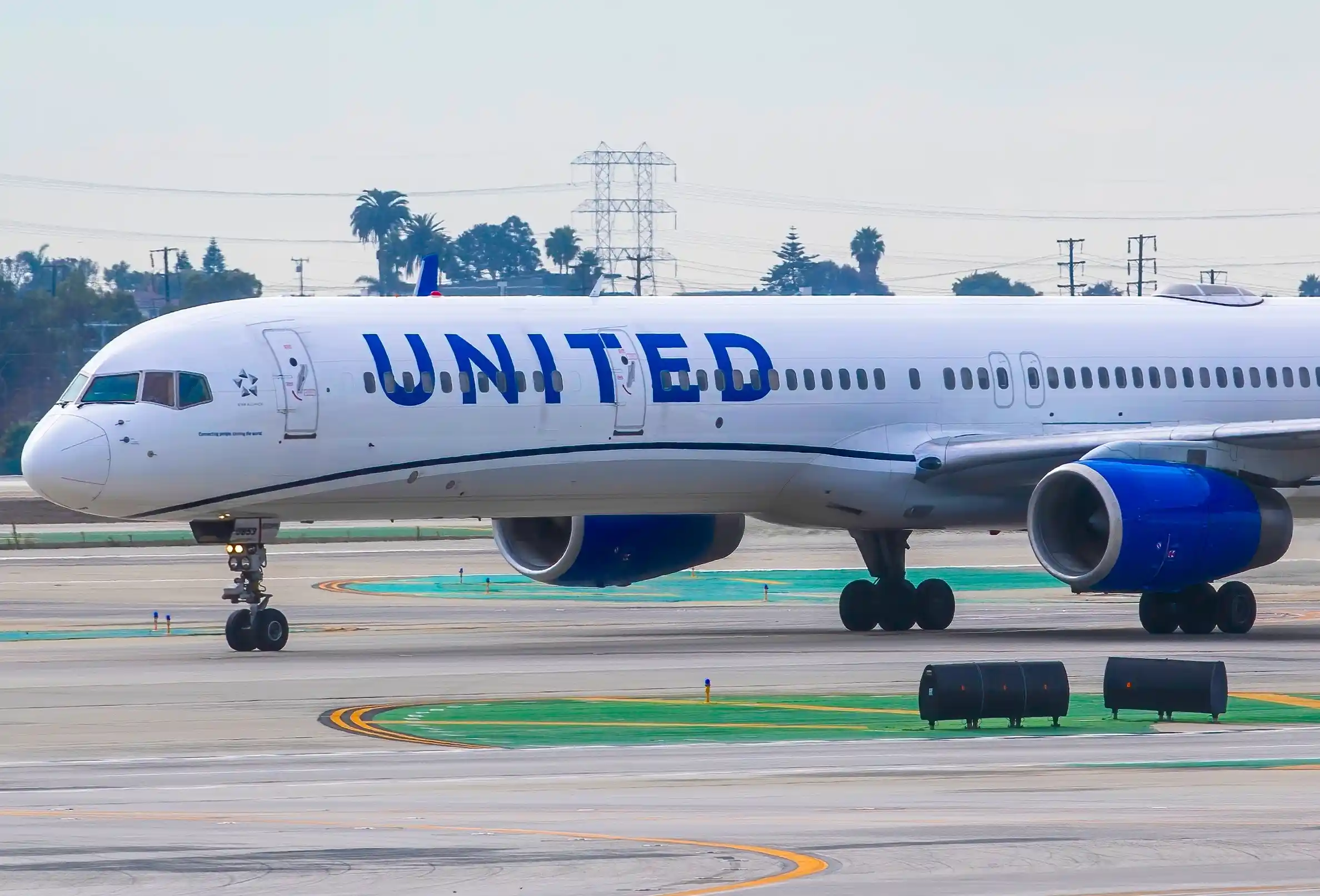
A re-engined 757 is what many airlines have been waiting for, but Boeing’s hesitation on the programme may be too late.
The Boeing 757 transformed commercial flying in the 1980s and 90s. With many airlines retiring their 757 fleets, it’s left an obvious gap in the market.
While airlines are still awaiting the perfect replacement, industry trends may make it obsolete before it arrives.
Why The Boeing 757 Still Matters Today
Boeing delivered the first 757 in 1983, and it quickly became one of the industry’s most popular aircraft over the next decade. It achieved 1,050 deliveries over its 20-year lifespan before the programme finally ended in 2004/.
Now more than two decades later, airlines are slowly retiring the aircraft. Many more are reluctant to remove them from their fleets since they serve a very specific purpose that has yet to be replicated.
The Boeing 757 is the perfect trifecta: capacity, range, and efficiency. It’s a narrowbody, mid-sized aircraft with capacity for approximately 200 seats, easily filling most routes. It was useful for medium- to long-haul flights with a range of up to 7,500km. It was designed with highly efficient twin engines that could take off from short runways, perform exceptionally at high altitudes, and still be small enough to fit at smaller airports.

No other Boeing aircraft has effectively met all three criteria. The 737 MAX is smaller and offers ideal capacity and efficiency, but it doesn’t have the same range as the 757 when full. Alternatively, the larger 787 widebody offers the range and efficiency, but it has too much capacity for most airlines’ needs on routes served by the 757, making it less profitable to operate and too large for smaller airports.
Boeing has left the middle-of-the-market aircraft unfilled ever since ending production of the 757. This is why airlines have demanded a re-engined NMA (new mid-sized airplane) model to replace their retired 757s.
Why A Re-Engine Has Been Talked About
With the last 757 delivered in 2005, the youngest aircraft is already more than 20 years old. Delta Air Lines has been slow to retire its fleet, operating the largest number of commercial 757s in 2026, with 92 aircraft averaging more than 25 years old.
United Airlines maintains the second-largest fleet with 61 aircraft averaging more than 27 years old. With these sizable 757 fleets nearing the end of their service, they are just one example of major airlines demanding a suitable replacement.
No need to start with a clean-sheet design for an aircraft that already has almost everything it needs. A re-engined 757, what many call the 757 MAX, would make this aircraft even better. Upgraded engines would improve range while keeping capacity smaller than widebody aircraft on the market. It would be the optimal aircraft for long, thin routes, including coast-to-coast US routes and transatlantic flights to second-tier cities.
Although airlines including Delta and United wanted a 757 MAX, Boeing chose not to pursue a re-engined 757. Boeing is still recovering financially from billions of dollars in losses due to the 737 MAX crisis and the COVID-19 pandemic, which makes a new programme unfeasible, given its other active projects like the 777X.
Financial constraints also make restarting 757 production expensive, as it would require retooling factories and reallocating resources after decades without producing the aircraft type.
The Collapsed Boeing 797 Left A Gap
Boeing didn’t completely ignore requests for an NMA model. It briefly considered an appropriate replacement for the 757. An aircraft that would fit between the smaller 737 MAX and the larger 787 Dreamliner. Although this study never solidified a name, experts often refer to it as the 797, following Boeing’s naming patterns.
The 797 would be an upgrade to the 757, with capabilities to cover routes too long for a smaller narrowbody aircraft but with capacity appropriate for routes that don’t require a widebody.

Exploring possibilities of a 797 were short-lived. Plans for the aircraft were also affected by the 737 MAX crisis and the COVID-19 pandemic, which ended discussions on the programme in 2020. Once again, financial constraints limited what Boeing could sustain during this challenging period.
Experimental programs like the 757 MAX and 797, which satisfied previous travel trends, were sidelined. At the same time, it focused on an aircraft better suited to the future of flying, which was shifting toward higher-capacity, more efficient aircraft.
Is The Next Boeing Plane The 757 and 737 Replacement?
Boeing’s major fault was not considering a 757 replacement soon enough. It proved itself as a popular aircraft with more than 1,000 orders worldwide. It also filled a clear, underserved market segment. The 757 programme ended in 2004, so Boeing could have proposed a replacement much sooner, rather than having alternatives terminated by the financial constraints that arose by 2020.
But where Boeing left a gap, Airbus stepped in for airlines that still wanted to serve the mid-size market. Airbus updated the original A321 into an A321LR (long-range) and A321XLR (extra-long-range) model. It maintains the single-aisle, narrowbody design that made the 757 popular. It offers a comparable seating capacity of 180-220 passengers.
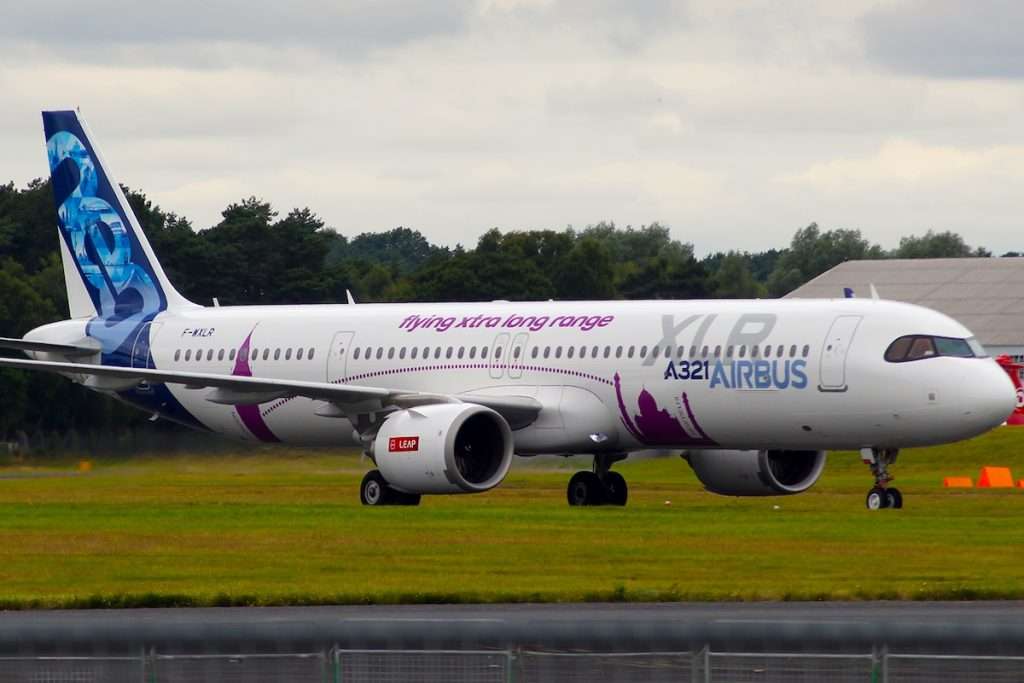
However, it surpasses the 757 in range, with up to 8,700km on the XLR variant. Airbus has already attracted previous 757 customers with the A321XLR, including American Airlines, which operated one of the largest 757 fleets, and United Airlines.
As Boeing regains its financial footing and re-establishes its reputation as a trusted manufacturer, the industry may have already moved past the 757 era. Airlines prefer narrowbody aircraft with higher capacity and longer range. Boeing is already pushing the 737’s capabilities further with the 737 MAX, increasing range on a smaller aircraft to capture middle-market demand. Since it will be costly to revive any version of the 757 programme, Boeing’s next aircraft are likely to look more like models today.

ABOUT THE AUTHOR
Bryan Shelmon is an aviation journalist with 10 years of experience covering commercial aviation, private aviation, airports, aircraft and wider industry news. Based in the Detroit metropolitan area, he has contributed to publications including Lonely Planet, Matador Network and Visit Detroit.
Related Articles




Stay Informed
Get the latest aviation news, analysis and route updates delivered to your inbox.
We respect your privacy. Unsubscribe at any time.
Enjoyed this story?
Make us your go-to for aviation news
Add us as a preferred source on Google and see our latest stories first in Top Stories.
Add Us On Your News Feed