
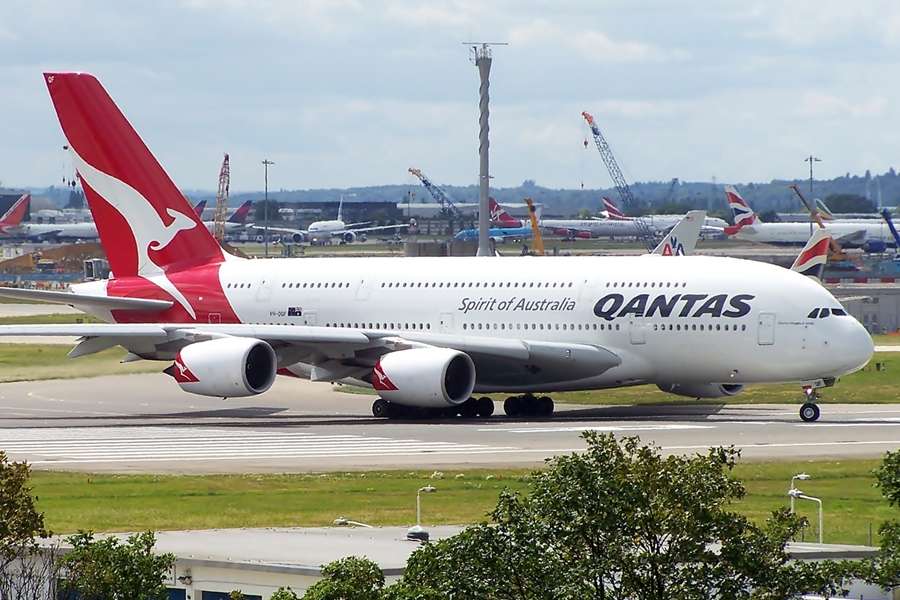
Qantas has published its full-year results and provided updates surrounding its future flying, emphasising the fleet.
Across the entire Group, there has been much focus on revolutionising the fleet and thus bringing great efficiency to the business.
As part of this, the Group is entangled in a multi-year process of retiring and replacing ageing aircraft with some of the newest next-gen aircraft.
This process is expected to continue well into the 2030s, with fantastic repercussions for passengers and the airline’s ability to lead from the front and expand into emerging markets while strengthening its position across existing ones.
Qantas has emphasized recovering its international capacity following the COVID-19 pandemic as part of its attempts to look towards the future.
Under current forecasting, Qantas expects to return to pre-COVID international capacity in May 2025. More aircraft are slated to return from long-term storage, thus increasing availability.
The return will come in the form of the world’s largest passenger in the Airbus A380, with two more units expected to be reactivated.
The reactivation should enable Qantas to fend off competition that has driven up capacity across key markets in the last few years and threatened its position.
In recent years, Qantas’ relationship with the Airbus A380 has mainly been a healthy one, with the Australian flag carrier continuing to back the widebody plane even during some of the darkest times demand-wise in company history.
The Australian flag carrier continued to believe and publicly voice these beliefs that the aircraft, once demand returned, would have a place within the fleet and that while temporarily grounding the type, it would look to return the plane to service.
Ultimately, moving into the mid-2020s with the A380, reactivated onlookers would argue that Qantas’ current position would be far worse without this necessary capacity.
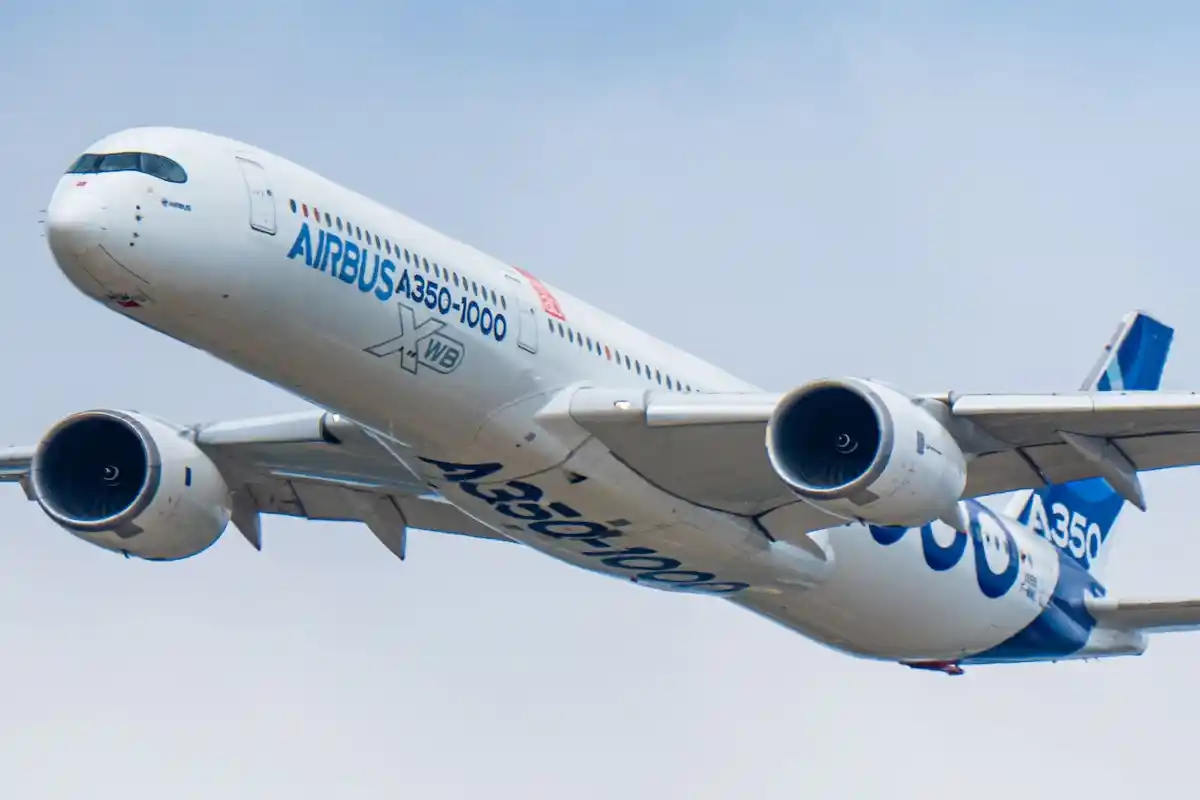
Qantas is also excited about the eventual delivery of the Airbus A350-1000ULR with the first unit for Project Sunrise flights, which is expected in mid-2026.
The carrier says it’s encouraged by the strong performance across international flights to European markets, which gives it confidence in Project Sunrise, which will see nonstop flights from the East Coast of Australia.
Within the freight division, Qantas Freight will focus on the continued need to modernise and grow, with the addition of the A330 and A321 after saying goodbye to the 737F.
Another 20 new aircraft are planned to arrive in the coming year, with a substantial focus on the A220, which has been a resounding success since its first arrival.
These 20 new planes will also arrive at Jetstar with the continued delivery of the A321LR, which has been hugely influential in developing the low-cost division’s network.
For the mainline company, the upcoming delivery of the game-changing A321XLR will also open up fantastic new possibilities, accelerate fleet renewal and boost efficiency across the board.
Despite these ambitions, Qantas is still looking to maneuver through various supply chain issues, impacting aircraft manufacturers’ ability to deliver planes on time and thus hurting plans.

ABOUT THE AUTHOR
Daniel Fowkes is a Melbourne-based aviation analyst and journalist with over a decade of industry experience. As founder of Dj’s Aviation, he delivers trusted analysis on aircraft, airline strategy and global aviation trends for djsaviation.net
Related Articles


Stay Informed
Get the latest aviation news, analysis and route updates delivered to your inbox.
We respect your privacy. Unsubscribe at any time.
Enjoyed this story?
Make us your go-to for aviation news
Add us as a preferred source on Google and see our latest stories first in Top Stories.
Add Us On Your News Feed