
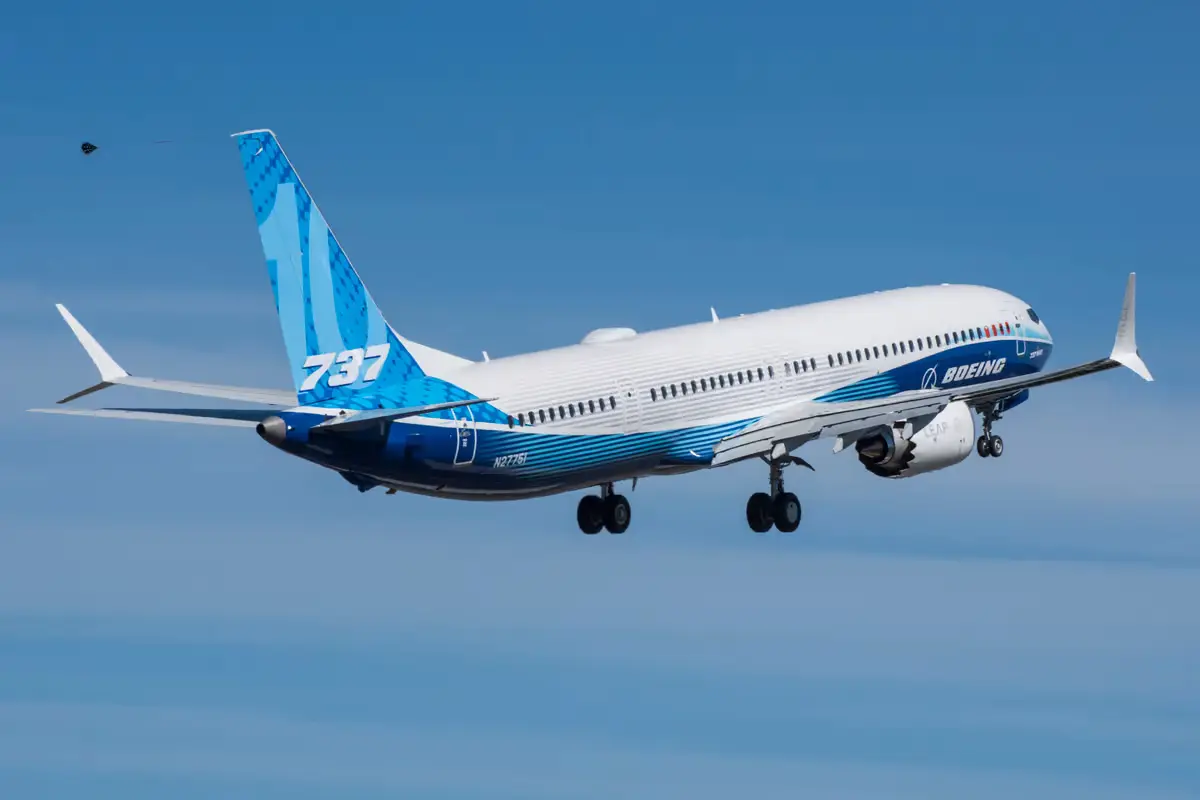
At the beginning of 2024, a door blowout occurred on a 737 MAX jet, shocking the entire industry, especially Boeing.
While the incident was concerning physically, everyone walked away relatively harm-free. While this wouldn’t happen again aboard any other aircraft, it would hardly be isolated.
Subsequent groundings as investigators got to the bottom of the problem would identify further complications and similarities found in other MAX planes that were improperly produced.
The findings revealed that the Federal Aviation Administration, more commonly called the FAA, would step up its oversight of Boeing.
The governing regulator’s tactic of increasing oversight was to assert itself as a continued presence and gain a greater view of Boeing’s day-to-day operations to determine the extent to what quality slips were continuing.
It’s necessary to mention that following several MAX incidents in the latter stages of the 2010s, Boeing witnessed aircraft groundings and sustained pressure to rebuild its business.
Under new leadership, it was presumed that steps had been taken to ensure that persistent quality slips would stop occurring. However, after four years, the door blowout involved the sheer lack of progress that had been made.
As a result, the FAA clamped down on the planemaker, barring production increases and capping production rates. It added that it wanted to see substantial change in the business on all fronts.
Strong emphasis was placed on rebuilding the company’s identity, which should align with the highest production standards and, thus, safety in its day-to-day operations. These core focal points have arguably been missing for a prolonged period.
Boeing Oversight To Continue In 2025
While increased oversight has been deemed necessary, its significance has been unparalleled and has affected Boeing’s day-to-day operations.
The manufacturer has been unable to increase production due to concerns that further quality slips will creep in. As a result, its finances have been put in disarray, thanks to the need to send compensation to airlines.

That compensation is driven by Boeing’s lowered production rate and many internal issues. Due to these and many other difficulties, Boeing has not delivered planes to airlines on time, plunging its customers into disarray.
Easing oversight has also been broadly considered the only way for Boeing to move forward, but that isn’t expected to happen anytime soon.
The Federal Aviation Administration has announced that the 2025 calendar year is underway and that they don’t expect to lessen their oversight into the planemaker despite progress being made.
Boeing has invested hundreds of millions into new initiatives to improve its business. Still, the FAA says it’s in this for the long haul and isn’t easing its grip on the company, which has encountered many issues recently.

ABOUT THE AUTHOR
Daniel Fowkes is a Melbourne-based aviation analyst and journalist with over a decade of industry experience. As founder of Dj’s Aviation, he delivers trusted analysis on aircraft, airline strategy and global aviation trends for djsaviation.net
Related Articles




Stay Informed
Get the latest aviation news, analysis and route updates delivered to your inbox.
We respect your privacy. Unsubscribe at any time.
Enjoyed this story?
Make us your go-to for aviation news
Add us as a preferred source on Google and see our latest stories first in Top Stories.
Add Us On Your News Feed