

Deliveries for the 737 MAX are expected to increase for specific carriers as the light at the end of the tunnel becomes a reality.
One of the industry’s newest airlines and most ambitious, Akasa Air, based in India, wants to rapidly develop its single-aisle fleet and grow its market share tenfold.
Data supports Akasa Air’s bold claims that the country will experience significant demand growth over the upcoming years, but to make this possible, more airlines and additional aircraft will be required.
Akasa Air, upon its launch, heavily committed to Boeing to power its fleet for the long term and specifically selected the 737 MAX, with its operating metrics deemed ideal for the initial phase of growth.
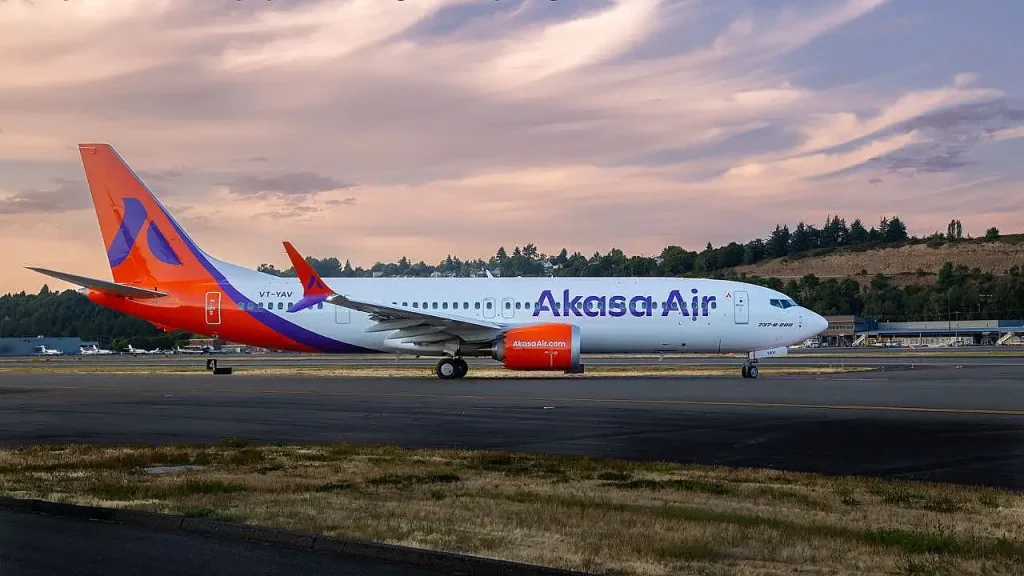
However, while no airline launch is easy, it ultimately does no favours when fresh challenges are experienced, such as those related to delivering the planes to power the company’s launch.
For Akasa Air, the delayed delivery of Boeing planes has been very critical, as it has disrupted recruitment and growth plans, leading to internal frustrations from not just executives but also employees.
Commencing services a handful of years ago, an order for over 200 737 MAX jets has been placed; however, that fleet is now far from the final figure. It is hoped that all units will be delivered by 2032, but this remains subject to change.
What has been holding Akasa Air back is its reliance on Boeing during a challenging period, characterised by considerable delivery delays, forecasting difficulties, and output rates that are not sufficient to work through backlogs.
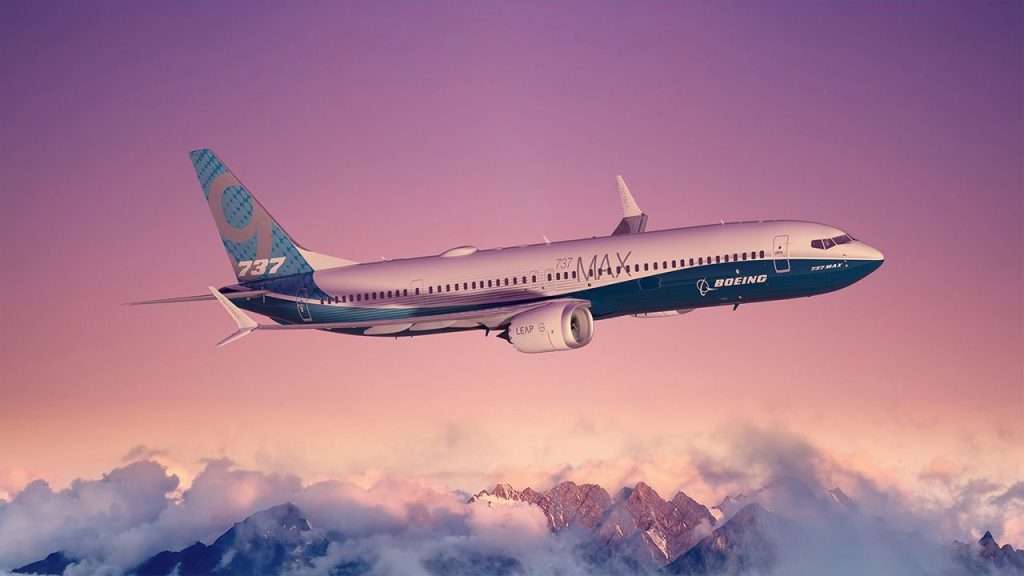
Good News For The 737 MAX
Despite public frustrations emerging from Akasa Air’s bid to grow as a company and increase its reliance on the 737 MAX, there’s renewed optimism.
The Indian carrier now hopes that deliveries of new 737 MAX jets will increase in the coming years above what was expected, as Boeing sees the fruits of its labour over the last 18 months.
The last 18 months have presented challenge after challenge, underpinned mainly by increased oversight from the Federal Aviation Administration (FAA) and a cap on the maximum production rate of the series every month.
With planned deliveries at the time of signing, which did not account for the production caps, quality concerns, and groundings that have emerged across recent years, Boeing has been unable to meet demand and adhere to its previously agreed-upon timelines with airlines.
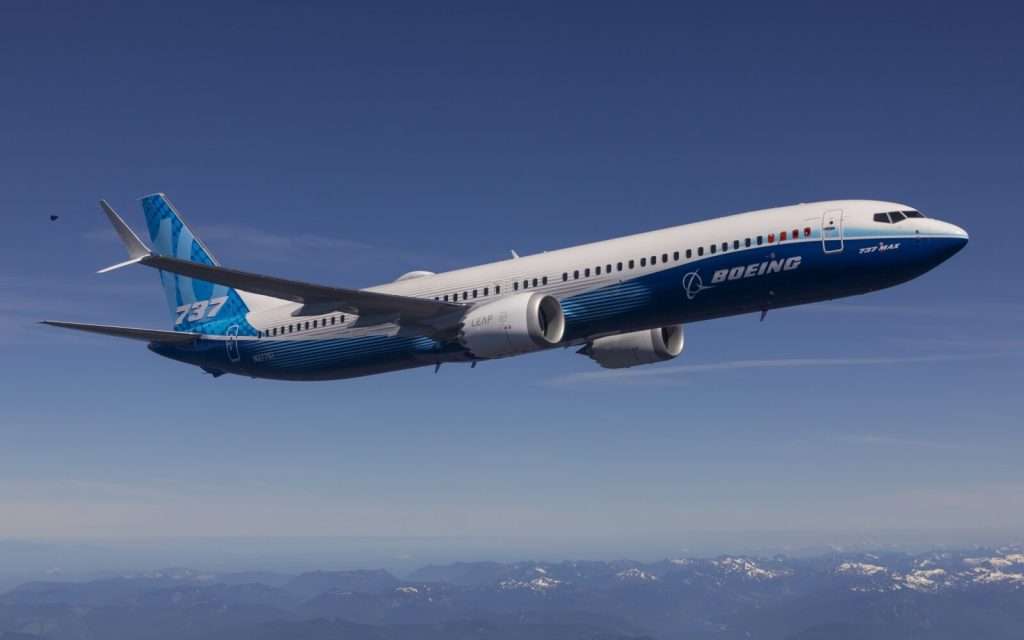
As a result, delays have crept into the delivery of all 737 MAX jets, and Akasa Air has been one of the many to cop the fallout of this.
Renewed optimism that deliveries will improve also follows reporting that currently uncertified 737 MAX variants of the 737-7 and 737-10 are progressing and are expected to see their first deliveries in the next couple of years.
While a challenging period for the popular single-aisle program, there’s renewed confidence among some airlines that the worst is behind them and a recovery is currently underway, positioning Boeing nicely to tackle the 2030s and beyond.

ABOUT THE AUTHOR
Daniel Fowkes is a Melbourne-based aviation analyst and journalist with over a decade of industry experience. As founder of Dj’s Aviation, he delivers trusted analysis on aircraft, airline strategy and global aviation trends for djsaviation.net
Leave a Reply
Related Articles




Stay Informed
Get the latest aviation news, analysis and route updates delivered to your inbox.
We respect your privacy. Unsubscribe at any time.
Enjoyed this story?
Make us your go-to for aviation news
Add us as a preferred source on Google and see our latest stories first in Top Stories.
Add Us On Your News Feed
I think that Boeing will keep on improving their Max production quality, and the Max deliveries will improve, but a rate between the current restricted rate and Boeing’s target rate may be a bridge too far.
As for the 787, I believe that the fuselage assembly methods will continue to plague the program. The complete composite fuselage barrel sections will continue to be difficult, whereas the Airbus 350 composite fuselage assembly method has the capability to be less troublesome.
I believe that the Max production quality will continue to improve under the new CEO, but the 787 may continue to have assembly issues due to the full composite fuselage barrel section joints. The Airbus 350 composite fuselage does not employ the full barrel section design, so it will continue to be less troublesome.
The Max will prove to be a great airplane for Akasa Air. Get those airplanes to Akasa and let the airline thrive Boeing!