

As Boeing faces increased competition from Airbus, could a prospective 767X be the next aircraft they release to combat a loss of market share?
The concept of the 767X acts on building upon the success of the 767, which helped redefine twin-engine flying and is an important pillar of what is seen today with trends.
However, Boeing’s current challenges, the state of the 767 production line, and the potential for new technology in the coming years, such as the 767X, are unlikely to be the next aircraft Boeing launches.
So, does the 767X have any hope, or is it simply a pipedream that would’ve needed to launch far sooner if it had any hope of coming to market?
Challenges At Boeing Prevent A 767X Launch
The past half-decade has been turbulent for Boeing, with various internal and external pressures impacting the operations and the planemaker’s ability to succeed.
Boeing’s resources have been stretched well due to the grounding of the 737 MAX, delays in the 777X program, a global pandemic, and subsequent supply chain disruptions.
Moreover, labour strikes and production issues have added to the difficulties, further slowing down production schedules, impacting the company’s ability to meet demand and having a knock-on effect on innovation.
Worker dissatisfaction stems from contract disputes, pay issues, and safety concerns, leading to production delays and, worse still, uncertainty over new project endeavours.
The implications are profound. Boeing is already under pressure to keep up with existing aircraft orders. Thus, its extensive backlog of required deliveries and the allocation of resources to launch any new aircraft will be challenging.
In addition to labour issues, Boeing knows that launching a new plane would not be optimal, considering its current financial position and even available technology. The manufacturer has stated that it believes such an endeavour would be a mistake.

However, all the aforementioned challenges limit Boeing’s bandwidth to initiate new projects, particularly those requiring extensive re-certification and production retooling, as a prospective 767X would require.
What’s Happened With The 767
The Boeing 767, first introduced in the early 1980s, has maintained a stable production line mainly due to its freighter and military tanker variants, the 767-300F and KC-46, respectively.
However, this production line is aging, and passenger variant production has long ceased. Revisiting this would require significant investment and updates, including implementing modern technologies, including new engines and avionics.
A major obstacle in creating the 767X would be certification, something highlighted by analysts on several occasions. This is driven by the design of the 767, which is now decades and decades old.
A new variant would require re-certification to meet current regulatory standards, including noise and emissions regulations, which pose challenges for engines and broader factors.
Given Boeing’s existing commitments, such an endeavour would be complicated. Such an endeavour would divert resources from other critical projects, such as the 737 MAX and 777X.
These variants are in high demand and have the same challenges that have prevented them from thriving recently. New endeavours would impact the current commercial portfolio, which cannot happen given the trajectory of the last few years.
Trying To Innovate As A Planemaker
Since its conception, Boeing has excelled when launching a plane that can be defined as groundbreaking; this is often a clean sheet aimed at redefining part of the commercial airplanes division.
The latest plane, the 787 Dreamliner, has been considered groundbreaking. It has revolutionised long-haul travel by making it much more economical.
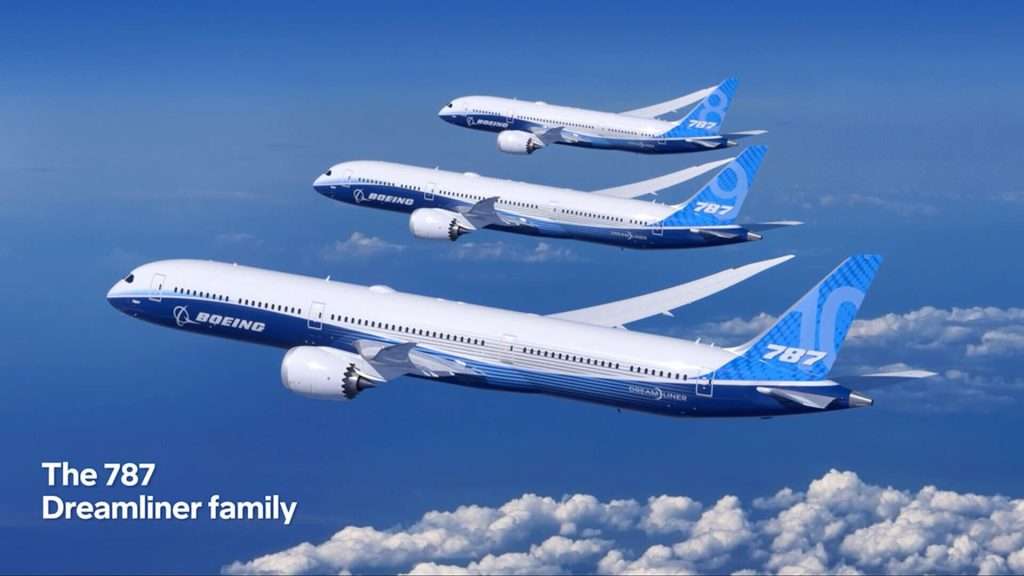
With advancing engine efficiency and materials, Boeing is better positioned to develop an all-new aircraft rather than revamping the 767 for the middle-of-the-market segment, which would be considered a short-term solution.
The market is also something that continues to evolve. Airlines are increasingly seeking aircraft with long-range capabilities and adequate fuel efficiency metrics that can serve their network.
Given this demand, analysts close to the planemaker argue that more focus should be on creating a clean sheet with technology that will redefine the segment the plane enters, similar to what the 787 did.
Developing a modern, high-efficiency, middle-of-the-market aircraft would’ve allowed Boeing to compete directly with Airbus’ A321XLR and position itself with a product able to replace the 757 and 767, even if it wasn’t to be the 767X.
However, the complexities of the business considerably limited this ability, and launching a new plane was out of the question.
Why The 767X Needed To Launch Earlier
If Boeing had intended the 767X to be a competitive response to Airbus and a replacement for its planes, the aircraft would have needed to launch much earlier.
The concept of the 767X first appeared in discussions nearly a decade ago. Still, Boeing decided against moving forward for several reasons that were not made public then. Analysts, however, point to certification challenges, production line complications, costs, and risk and reward.
The Airbus A321XLR, which has just recently entered commercial service, is already meeting the demands of the middle-market segment, and Boeing doesn’t have a product that can do something similar.
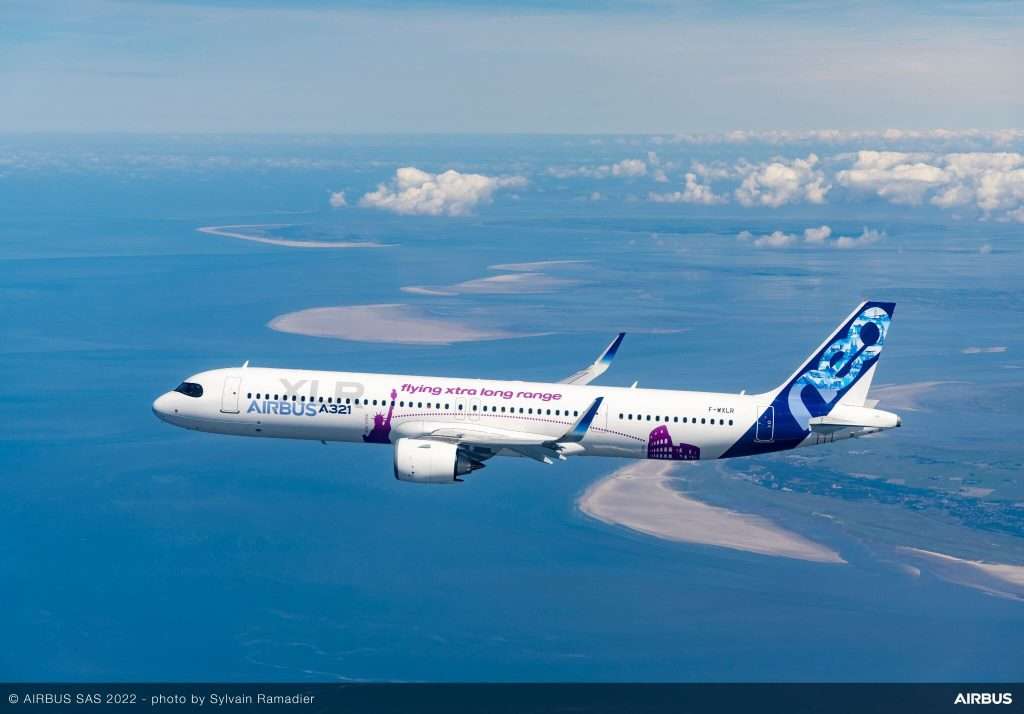
This is an Airbus aircraft that offers impressive range and capacity. As a result, airlines can operate long-haul routes with smaller planes, thus less risk involved and without requiring a widebody plane.
The 787 has been able to replace the 767 in some capacity at airlines; whether this was the ideal replacement for some is left unanswered, but when given no choice, airlines are forced to adapt and find a solution to their problems.
Airlines have already adapted to Airbus’ single-aisle solution for long-haul routes, and many have made fleet decisions based on this availability, which has led to their moving away from Boeing.
Therefore, by missing the critical window, Boeing now faces a market where the 767X would unlikely gain traction without significant modifications. Considering all the work and certification that would be required, it is too late.
The window for the 767X as a middle-market solution has long closed, and Boeing is now better positioned to study the future, and this will include a clean sheet.
A Dream Aircraft That Won’t Happen
While the Boeing 767 has a legacy of being a true workhorse, a successor dubbed the 767X will not likely be Boeing’s next release.
Boeing’s resources are fractured due to daily operational and financial pressures. Instead of focusing on the prospects of older concepts, it’d be more worth looking to the future through a clean sheet.
From the re-certification efforts, substantial funds are necessary to bring the 767 back to life in a passenger sense. It simply doesn’t make sense.
Boeing will instead prioritise its next commercial airliner when its business stabilises. This will likely need to be a clean sheet to ensure that the upgrades are substantial enough to make the program worth launching, whenever that is.

ABOUT THE AUTHOR
Daniel Fowkes is a Melbourne-based aviation analyst and journalist with over a decade of industry experience. As founder of Dj’s Aviation, he delivers trusted analysis on aircraft, airline strategy and global aviation trends for djsaviation.net
Related Articles




Stay Informed
Get the latest aviation news, analysis and route updates delivered to your inbox.
We respect your privacy. Unsubscribe at any time.
Enjoyed this story?
Make us your go-to for aviation news
Add us as a preferred source on Google and see our latest stories first in Top Stories.
Add Us On Your News Feed