
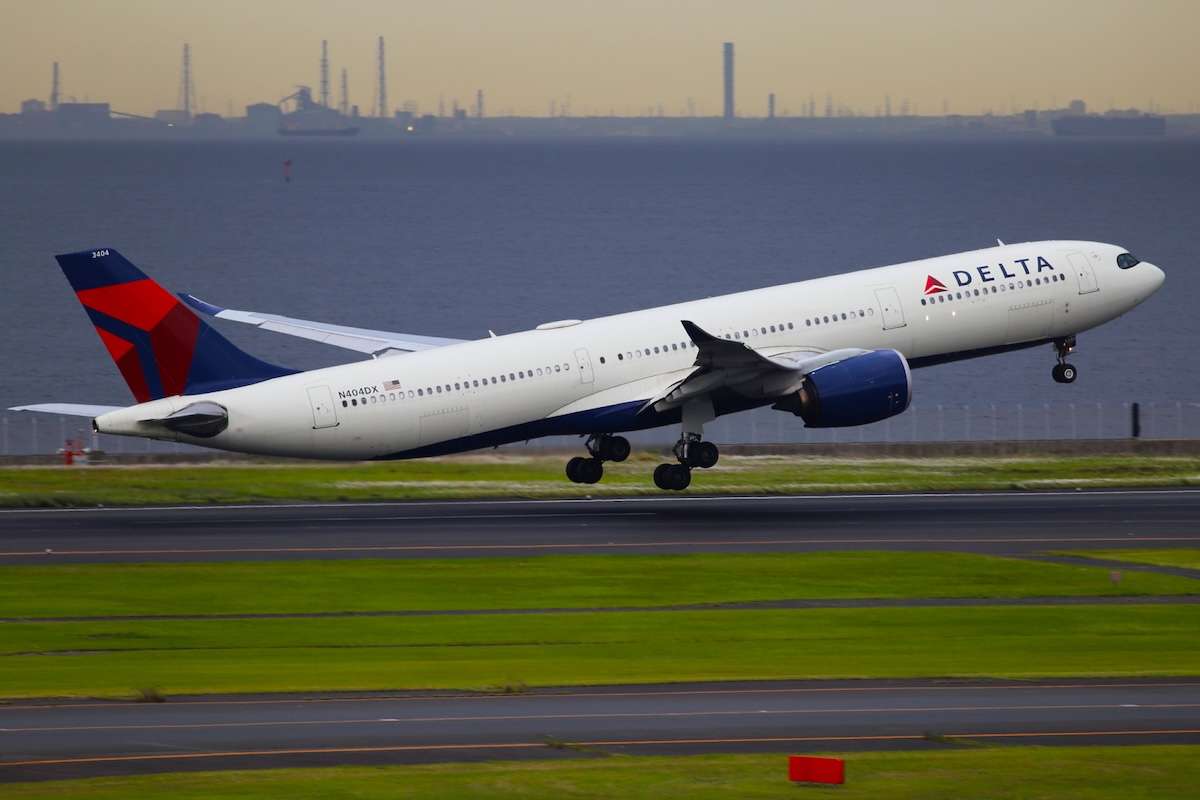
Delta Air Lines is the largest Airbus customer, with nearly half of its fleet coming from the manufacturer.
Economies of scale play a major role in Delta’s decision to maintain an Airbus-dominant fleet. And it’s a role that the business plans to continue expanding as it replaces older aircraft with next-generation aircraft.
Although Airbus aircraft are gradually replacing Delta’s Boeing jets, the tides could soon shift back to Boeing after a sizable order for the 787.
Delta’s Fleet Tilts Towards Airbus
Delta is part of the Big 3 airlines in the US and has one of the largest aircraft fleets in the world. It flies nearly 1,000 aircraft to more than 300 destinations, including approximately 200 domestic and 100 international routes. More than 500 of these are Airbus aircraft.
A deeper dive into the Airbus fleet reveals a diverse mix of aircraft families, designed to serve the wide range of routes Delta offers. The narrowbody models largely used for domestic routes include 45 A220-100s, 36 A220-300s, 57 A319-100s, 45 A320-200s, 127 A321-200s, and 87 A321neos.
The widebody fleet handles transcontinental and transpacific routes on models including 11 A330-200s, 31 A330-300s, 39 A330-900neos, and 44 A350-900s.
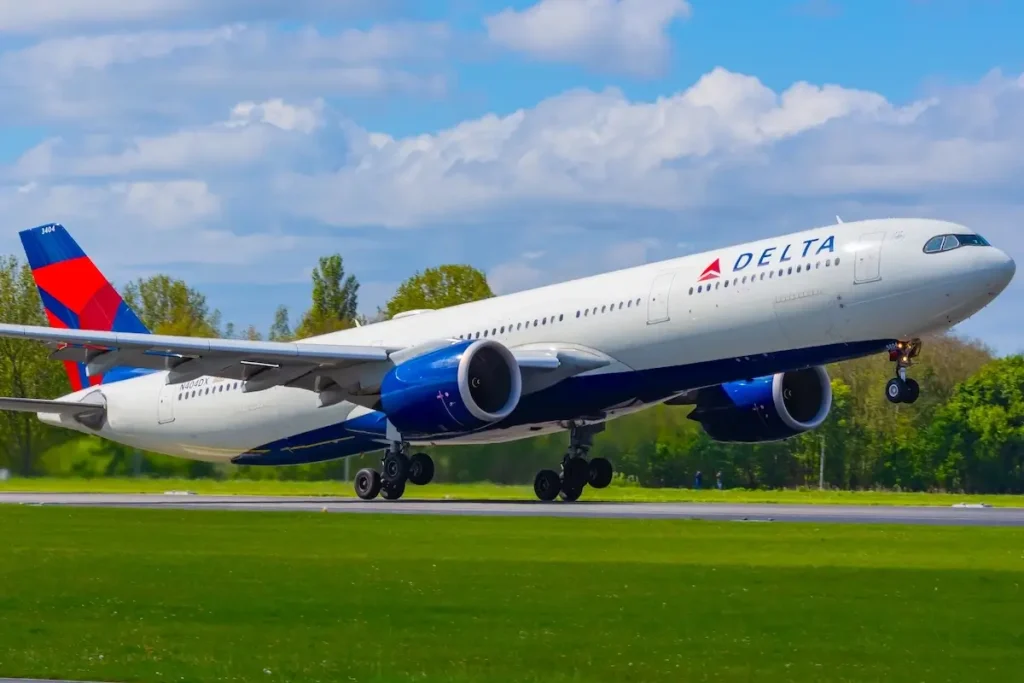
Delta reaffirms confidence in its fleet mix with confirmed orders for even more of these aircraft, set to be delivered over the next few years. Airbus is currently fulfilling a backlog of orders for 64 A220-300s placed in 2022 and 20 A350-1000s from 2024, which will be a new addition to the fleet. In 2026, the carrier increased its order with the manufacturer for 34 A321neos, 16 A330-900neos, and 15 A350-900s.
With half of its fleet represented by Airbus, it’s clear that Delta is a fan of the aircraft’s operational efficiency as it moves into the future of flying.
From A Boeing Customer To Replacing With Airbus Jets
Airbus and Delta weren’t always BFFs. Until recently, it operated a predominantly Boeing fleet. However, an aging fleet and preferences for better fuel economy have ousted Boeing from Delta’s close circle in favour of its competitor.
Historically, Delta optimised its operations based on efficiency. Operating mostly with one aircraft manufacturer reduced maintenance costs significantly. Also, as one of the biggest airlines, it always benefits from economies of scale, securing unprecedented discounts when purchasing new aircraft. These fleet philosophies have proven effective, as the airline consistently ranks as the most profitable in the US year after year.
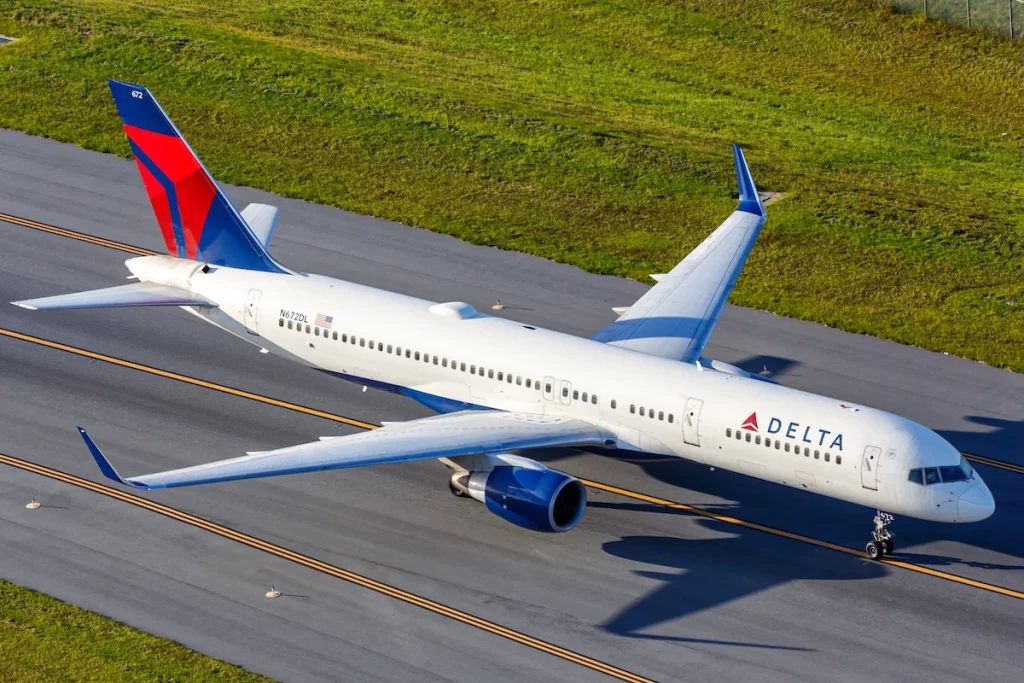
The major shift from Boeing to Airbus happened in the early 2020s. During this period, Delta was ready to retire its ageing Boeing aircraft, including the 717, 737, 757, and 767. When it came time to renew its fleet, it would take this same approach of relying on one manufacturer for a bulk of its fleet.
Delta began taking deliveries of the Airbus A220, A321neo, A330-900neo, and A350-900. In just three years between 2022 and 2025, it received 84 A321neos, which helped tilt the scales in favour of an Airbus-dominant fleet.
One of the biggest factors in choosing these specific aircraft was their fuel efficiency. Jet fuel is the largest operating expense for airlines, and these modernised aircraft helped reduce the cost per passenger on every flight.
Although Delta used Airbus to help phase out its Boeing 757s and 767s, it still kept Boeing as a close ally based on a promise for a future aircraft that would be better than all of these combined.
How No Boeing NMA Changed A Lot
Boeing’s latest innovation, the NMA, aka the 797, was first discussed in 2012. This aircraft was envisioned as the greatest arrival in aviation, completely transforming how airlines operated by introducing a mid-sized jet between narrowbody and widebody aircraft. It would be the perfect aircraft for airlines seeking to capture the middle-market segment, with approximately 250 seats on long, thin routes to second-tier destinations.
Delta was among the earliest to show interest in the future aircraft, with its CEO, Ed Bastian, proposing an order of more than 200 NMAs as its launch airline. Its design would support international route expansion with transpacific capabilities and enhance domestic operations via transcontinental routes.
Sadly, the Boeing NMA program was grounded before it even began production. Boeing’s 737 MAX crisis and the COVID-19 pandemic weighed heavily on the manufacturer, which was unable to dedicate the necessary financial resources towards the NMA program.
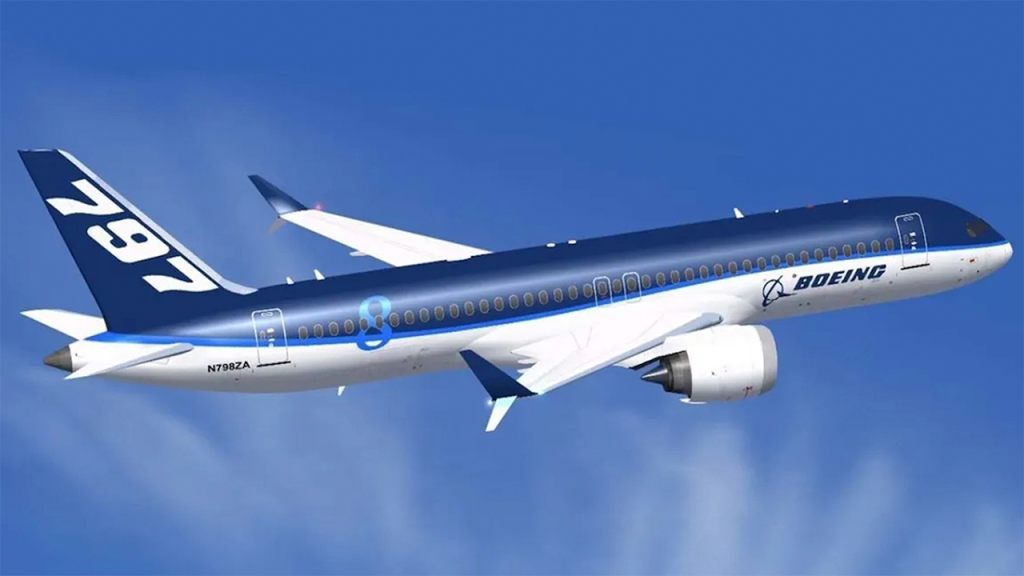
With the Boeing 797 out of the running, Delta was left with one suitable aircraft that was already in production: the A321neo. It’s how Airbus ultimately landed the massive 84 aircraft order and began delivering in 2022.
Boeing had one more aircraft in mind to pitch to Delta, in an effort to get back in good graces with the behemoth airline.
Is The Narrative Shifting With The 787 Deal Now?
Delta is currently working towards a goal of zero emissions. While it has many fuel-efficient Airbus models helping push the airline towards this goal, Boeing’s 787-10 Dreamliner is poised to be an even better option going into the next decade.
In January 2026, Delta placed a firm order with Boeing for 30 787-10s with an option to purchase 30 more. It’s expected to start taking delivery in 2031. It’s one of the most fuel-efficient widebody aircraft of its size, thanks to its carbon-fibre-composite design.
It’s reported to be up to 25% more fuel-efficient than comparable aircraft. Since the aircraft will be used for long-haul Transatlantic and South America destinations, it represents significant savings on every flight.
Delta’s 787 order could be a turning point for the airline as it recalibrates its fleet with more Boeing aircraft. Although the 200 NMA order never panned out, the airline is also still awaiting delivery of 100 Boeing 737-10 MAX once the aircraft gets certified.
Both new Boeing models will likely arrive around the turn of the decade. With their ability to replace some of Delta’s Airbus fleet, the U.S carrier may have a new bestie emerge in the near future, even if Boeing is still present.

ABOUT THE AUTHOR
Bryan Shelmon is an aviation journalist with 10 years of experience covering commercial aviation, private aviation, airports, aircraft and wider industry news. Based in the Detroit metropolitan area, he has contributed to publications including Lonely Planet, Matador Network and Visit Detroit.
Related Articles




Stay Informed
Get the latest aviation news, analysis and route updates delivered to your inbox.
We respect your privacy. Unsubscribe at any time.
Enjoyed this story?
Make us your go-to for aviation news
Add us as a preferred source on Google and see our latest stories first in Top Stories.
Add Us On Your News FeedRelated articles
· Airlines
Allegiant Air Buys Six More 737-8s From Boeing
Daniel Fowkes
26/10/2026
· Airlines
Emirates vs Qatar Airways: The Gulf Superhub Rivalry Compared
Bryan Shelmon
26/10/2026
· Airlines
Riyadh Air Is Moving Away From Riyadh
Daniel Fowkes
26/10/2026
· Airlines
Emirates Isn’t Worried At All
Daniel Fowkes
25/10/2026