
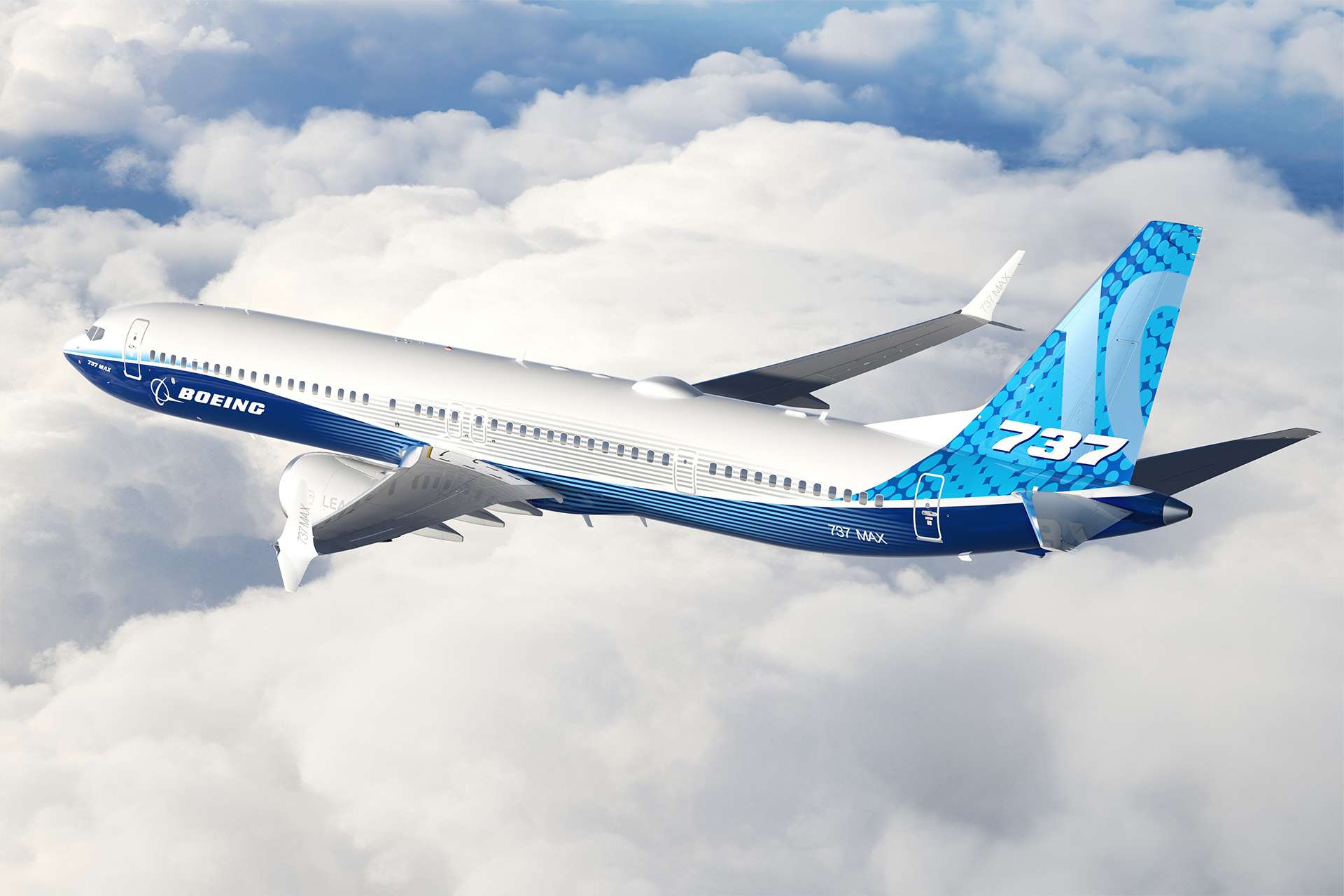
The Boeing 737 MAX is an updated version of Boeing’s highly successful 737 series and, when it entered the market, took the world by storm.
While it was released in a market that wanted such a plane, later on, serious questions emerged about the Boeing 737 MAX.
Questions arose about whether shortcuts taken to release the aircraft faster and better compete with Airbus and its A320neo program negatively impacted the series. Additionally, this led to severe flaws being identified in the program’s core design.
The 737 MAX sticks to the core design principles identified with the 737 series over decades. However, with each new variant, slight adjustments come into play, so it helps to compare the first iteration, the 737, with the latest noticeable changes.
The Boeing 737NG vs 737 MAX
But just what changed from the 737NG to the 737 MAX? The NG was a substantial improvement over the original 737 versions. This was further highlighted by its strong market performance.
Therefore, when Boeing studied the 737 MAX, it needed to release a type with necessary improvements.
Notably, Boeing upgraded the type by introducing the more powerful and efficient CFM International Leap-1B engines. This addition aimed to create a more fuel-efficient, environmentally friendly aircraft.
These were important considerations at the time, especially when trying to understand the direction for the decades ahead. This was a period when this plane would enter its prime.
Strengthening was visible throughout the aircraft, and the tail cone was reshaped to save fuel. Updated electronic systems were featured throughout, as you’d expect, thanks to technological advancements.
A New MCAS system was added, along with updates to the winglets. MCAS is a primary sticking point, as is adding new engines. Larger engines presented problems themselves. Boeing wanted to certify the aircraft quickly but found the Leap-1B engines challenging. As a result, it moved the engines farther forward on the 737NG.
Pressures In Getting The 737 MAX Released
These pressures were primarily felt throughout the program as the aircraft manufacturer attempted to compete with Airbus.
Analysts believed the American plane maker was in a race against time, not to let its competitor get even further ahead in the market.
The 737 had drawn criticism as a tired design, and at this point, Boeing should’ve opted for a clean-sheet narrowbody. This clean sheet would’ve taken what was loved about the 737NG and applied it to the all-new design.
However, Boeing didn’t have the time to move forward with a clean sheet as Airbus re-engined its own A320 and experienced fantastic results. In such a lucrative and fundamental market that makes up the bulk of manufacturers’ orders and deliveries each year, allowing Airbus to move unrivalled would’ve been a terrible mistake.
Further Important Considerations Made
While these design changes were primarily aimed at improving fuel efficiency and overall performance, cost considerations also played a role.
Boeing wanted to minimise the cost of designing an entirely new aircraft, which would require more time and resources. By building on the existing 737 platform and modifying it, Boeing could bring the 737 MAX to market faster and at lower development cost.
It’s hard to argue with that thinking and logic on the surface. It had the potential to be a hugely successful aircraft for Boeing, and it has been commercially successful. Just Boeing needed to ensure nothing slipped through in this massive race to earn additional cash.
Unfortunately for Boeing, after launch, it became clear on a catastrophic scale how much had slipped through to get the plane to customers as quickly as possible.
Many would argue that such significant changes were a mistake and that the writing was on the wall. Others would say the cultural shift was evident in the prioritisation of profits.
A Positive Outlook For The 737 MAX
Now, the 737 MAX, after its crisis, has recovered and is flying worldwide. It also attracts substantial interest and has a more than solid backlog.
It has become a worthy competitor to the A320neo series. However, questions about what is next persist. Can Boeing squeeze any more life out of a dated fuselage design?
Analysts argue no and believe studies undertaken by the American plane maker are crucial to determining the next generation for the single-aisle powerhouse that is the 737.
Whether in an adjusted name, a new digit combination or something else. Either way, to stick the landing for the next iteration, the focus will be on not just delivering an adequate aircraft, but one that is safe, doesn’t cut corners, and has a sustainable outlook.

ABOUT THE AUTHOR
Daniel Fowkes is a Melbourne-based aviation analyst and journalist with over a decade of industry experience. As founder of Dj’s Aviation, he delivers trusted analysis on aircraft, airline strategy and global aviation trends for djsaviation.net
Related Articles




Stay Informed
Get the latest aviation news, analysis and route updates delivered to your inbox.
We respect your privacy. Unsubscribe at any time.
Enjoyed this story?
Make us your go-to for aviation news
Add us as a preferred source on Google and see our latest stories first in Top Stories.
Add Us On Your News Feed