

The 787 is Boeing’s most in-demand widebody aircraft, with thousands of aircraft orders.
Therefore, with success in mind, the natural progression would be to find ways to elevate this program and launch a new iteration.
But, why would launching a new program be the wrong move currently and why is it not something Boeing is ultimately studying in the short term?
The Certification Troubles…
While new aircraft endeavours are sometimes a fascinating proposition, they may not be required at a specific point. This can be for several reasons.
Currently, it is not the right time for a 787 iteration. Still, if it were, many struggles would need to be overcome first before priority could be given to the next iteration of the commercial aeroplane series.
Unfortunately, one of the biggest struggles has been certifying existing aircraft types that have been formally announced, have backlogs, and have customers awaiting delivery, but simply cannot obtain the jet.
According to industry analysts, this remains one of the top priorities for the planemaker as it looks to the future.

Any endeavour and new commercial aircraft will be pointless if the company cannot dedicate resources to the new program because so many other planes are not certified.
Whether it’s the smaller 737 MAX or the 777X, the persistent delays have meant that resources have had to move away from programs such as the X-66 in a bid to prioritise existing airframes.
These delays result from Boeing’s numerous internal struggles and shouldn’t come as a surprise, but they must be addressed before any other considerations are made, as airline customers’ frustrations continue to grow.
Rebuilding A Damaged Business
For Boeing, while there remains an increased focus on the future through new commercial aircraft endeavours, rebuilding itself as a business is also important.
The last half-decade has been the hardest period in the planemakers’ long-standing history. Several programs have been delayed in a bid to right the many fundamental wrongs.
Instances like on the production floor, where a lack of safety and quality control saw issues creep through onto commercial aircraft and result in crashes, groundings and more, have been a consistent cause for concern.
It was only after a door blowout incident at the beginning of 2024, when alarm bells began to ring, that a change was required. Driven by a newfound purpose to implement a true turnaround, there has never been more pressure on Boeing to succeed in its ambitions.
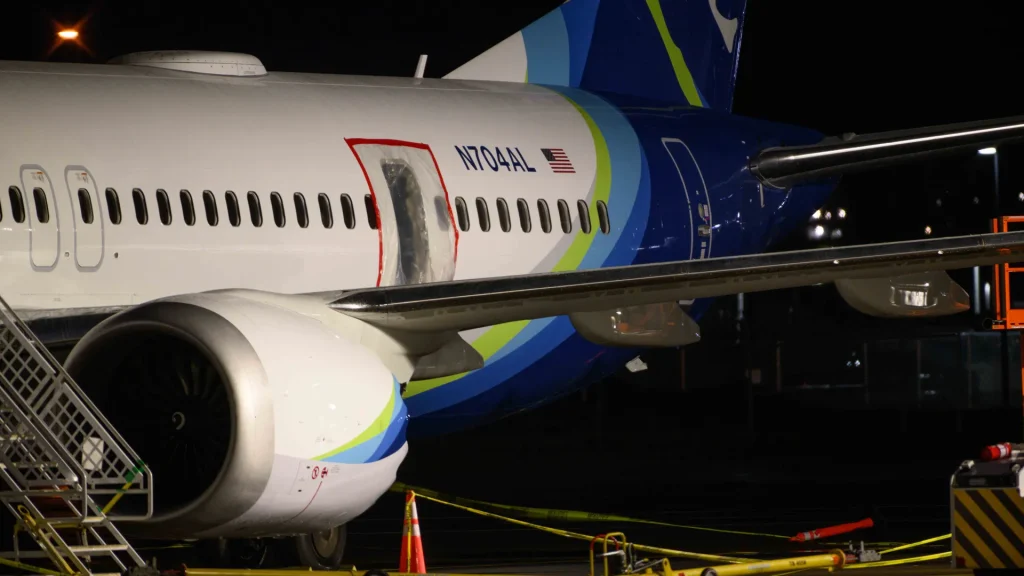
As a result of these struggles, the FAA has also tightened its grip on the planemaker, resulting in caps on the production of new commercial aircraft.
Innovation remains essential, especially in a highly competitive industry; however, depending on the available technologies, Boeing may consider further evolving the 787. Moving ahead with a new endeavour now, given its current priorities, wouldn’t make sense.
Historically, the company has struggled. From a reputation standpoint, this has also been damaged; therefore, full priority must be given to rebuilding it to ensure that trust can be restored.
A Strong Backlog Remains
Boeing’s development of a new 787 model also doesn’t remain the highest priority, given the continued success of the Dreamliner program.
In May, the aircraft family already secured 130 orders from Qatar Airways, with more options added. Etihad Airways also confirmed that it would purchase more of the aircraft to support its long-haul operations.

The American planemaker will continue delivering the 787 well into the 2030s, and its backlog only grows as the widebody continues to flex its muscles. This demonstrates that its flexibility is a significant benefit for airlines seeking to renew their fleet and expand as a business.
For most planemakers, discussing a new version for an existing aircraft will arise for several reasons. However, more often than not, it can be in direct response to the lack of demand for the existing model, and a new iteration is seen as a way to capture additional sales.
Other reasons include gaps in market share, new available technology that can be adopted to an existing platform, and the time being right for a genuine replacement to arise, and airlines are calling for it.
At the moment, the 787 isn’t experiencing any of these things. This initial model, which took a considerable amount of time to study and launch due to its game-changing capabilities, is still serving the industry well.
What Does The Future Hold?
By the time the 787 wraps up production in the modern era, it’ll have one of the longest production stints, and current orders will ensure that the jet will continue to operate for many decades to come.
Boeing’s future remains uncertain, but current studies are already underway to determine the best way to proceed with new commercial airplanes.

The new era, however, remains complex with the funds required to develop technologies, but it is necessary to understand what will truly be adopted in the long term.
At various points, Boeing suggested that a 787 Freighter might be an option, but it hasn’t ruled it out. A new 787 model itself remains unlikely at this point.
Ultimately, priorities lie elsewhere, and while the next generation of aircraft from the mid-2030s and beyond will be fascinating, current studies are still ongoing to determine the best course of action.
When these studies conclude and their results are available, there will be a greater understanding of what the new era of travel will look like and whether there is scope for a new 787 model that adopts the latest technologies.

ABOUT THE AUTHOR
Daniel Fowkes is a Melbourne-based aviation analyst and journalist with over a decade of industry experience. As founder of Dj’s Aviation, he delivers trusted analysis on aircraft, airline strategy and global aviation trends for djsaviation.net
Related Articles




Stay Informed
Get the latest aviation news, analysis and route updates delivered to your inbox.
We respect your privacy. Unsubscribe at any time.
Enjoyed this story?
Make us your go-to for aviation news
Add us as a preferred source on Google and see our latest stories first in Top Stories.
Add Us On Your News Feed